
Vegetables
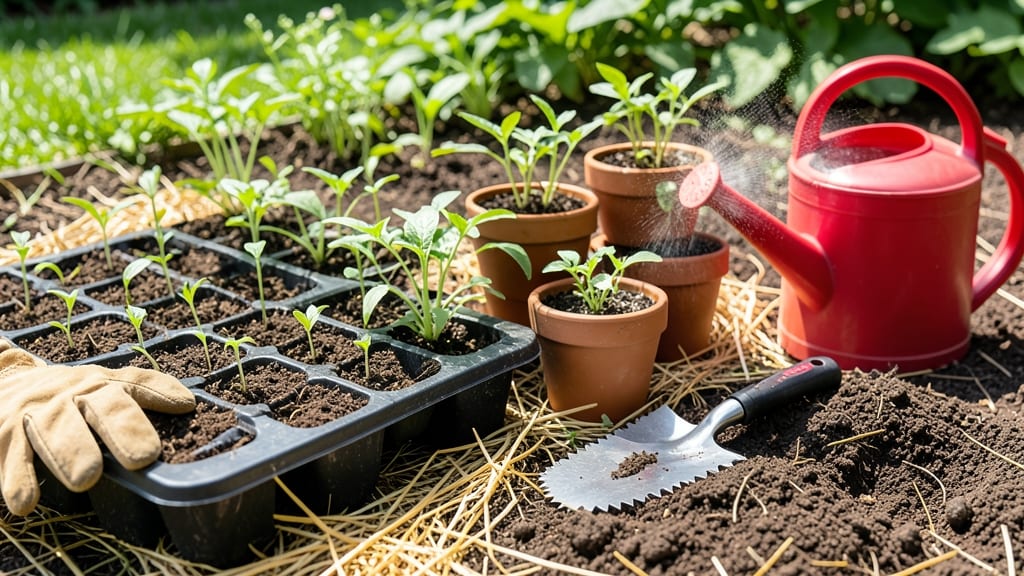
If you’ve ever watched the vegetable seeds you plant in Texas wilt under the relentless sun or freeze in an unexpected cold snap, you know timing is everything.
The best time to plant vegetables in Texas isn’t just about the calendar—it’s about understanding your region’s quirks, from North Texas’s chilly winters to the South’s extended growing seasons.
Most gardeners in USDA zones 8a-10b swear by two key windows: late winter to early spring (February–April) for cool-season crops and late summer to fall (August–October) for heat lovers.
But here’s the catch: planting too early in North Texas (where frost lingers until March) or too late in the South (where heat arrives by May) can turn your garden into a science experiment gone wrong.
I’ve spent years testing what works—and what doesn’t—so you don’t have to. Whether you’re dreaming of crisp spring lettuce or fiery summer peppers, this guide cuts through the guesswork.
You’ll learn the exact soil temperatures to wait for, the heat-resistant varieties that thrive here, and how to stretch your harvest from March through November.
Ready to skip the trial-and-error? Let’s dive into the best planting schedule for your Texas garden, so you can enjoy homegrown veggies without the stress.
Texas planting zones: heat-resistant vegetables by month and region
Texas’s diverse climate—from the Panhandle’s chilly winters to the Rio Grande Valley’s year-round heat—means planting times vary dramatically. The key is matching vegetable types to soil temperatures and regional frost dates.
Cool-season crops like broccoli and lettuce thrive in North Texas’s February–March, while South Texas gardeners can plant tomatoes as early as January.
Heat-loving vegetables like okra, sweet potatoes, and Malabar spinach need soil temperatures above 60°F to germinate. In Central Texas, this means waiting until late March–April, while South Texas gardeners can start as early as February.
Always check your USDA Zone (8a–10b) and local last frost date for precision.
Here’s a breakdown of optimal planting windows by region, including soil warmth triggers and heat-resistant varieties that excel in Texas’s brutal summers.
| Region | Cool-Season (Feb–Apr) | Warm-Season (May–Jul) | Fall (Aug–Oct) | Soil Temp Trigger (°F) |
|---|---|---|---|---|
| North Texas (Zones 7b–8a) | Broccoli, Spinach, Peas (Feb–Mar) | Tomatoes, Peppers, Okra (Apr–May) | Kale, Radishes, Lettuce (Aug–Sep) | 45°F (cool crops) / 60°F (warm crops) |
| Central Texas (Zones 8a–8b) | Cabbage, Carrots, Onions (Feb–Mar) | Sweet Potatoes, Eggplant, Malabar Spinach (Mar–Apr) | Collards, Turnips, Beets (Aug–Sep) | 50°F (cool crops) / 65°F (warm crops) |
| South Texas (Zones 9a–10b) | Green Beans, Mustard Greens (Jan–Feb) | Cowpeas, Jute Mallow, Peanuts (Feb–Mar) | Okra, Black-Eyed Peas, Swiss Chard (Sep–Oct) | 55°F (cool crops) / 70°F (warm crops) |
For North Texas gardeners, prioritize cool-season crops in early spring and heat-tolerant varieties like okra and sweet potatoes after Memorial Day. Central Texas offers a longer growing window, allowing for succession planting of tomatoes and peppers from April through July.
Meanwhile, South Texas’s mild winters let gardeners plant year-round, with fall crops thriving until November.
Pro tip: Use a soil thermometer to confirm germination-ready temperatures. Most seeds need 60–70°F for warm-season crops and 45–55°F for cool-season varieties. If your soil is too cold, wait or use black plastic mulch to warm it faster.
Don’t overlook microclimates—shady spots or urban heat islands can shift planting times by 2–4 weeks. For example, a north-facing garden in Dallas may need later planting than a south-facing raised bed. Observe your space for 3–5 years to refine your schedule.
Texas’s fall planting (August–October) is often underrated but ideal for heat-sensitive greens like lettuce and spinach. By this time, daytime highs drop to 90°F or below, giving plants a fighting chance. Pair fall crops with mulch to retain moisture and shade cloth for afternoon protection.
Remember: Succession planting is your secret weapon. Instead of planting all your bush beans at once, stagger 2-week intervals to ensure a continuous harvest through the season. This works especially well for fast-maturing crops like radishes (30 days) and bok choy (40 days).
For container gardening in Texas, opt for compact heat-tolerant varieties like ‘Cherry Tomato’ or ‘Mini Bell Peppers’. Containers heat up faster than soil, so water daily and use lightweight potting mix to prevent drying. Place pots in partial shade during peak summer afternoons to avoid root stress.
Finally, keep a gardening journal to track what works in your specific zone. Note planting dates, weather anomalies, and harvest yields. Over time, you’ll spot patterns—like why your tomatoes always bolt in June or your squash thrives in September despite the heat.
Avoiding common Texas gardening mistakes: soil prep and succession planting tips
Texas’s unpredictable weather makes soil prep and planting timing the difference between a bountiful harvest and a failed garden. One of the biggest mistakes I see? Planting cool-season crops like lettuce or broccoli too early in North Texas without checking soil temperatures.
Even if the calendar says spring, your garden might still be too cold.
For example, North Texas (Zones 8a-8b) often experiences frost until mid-March, while South Texas (Zones 9a-10b) can safely plant greens by January. Ignoring these differences leads to stunted plants or total loss.
Always wait until the soil reaches at least 50°F for cool-season crops and 60°F+ for heat lovers like okra or sweet potatoes.
Another critical error? Skipping soil testing. Texas soil is often alkaline (pH 7.5-8.5), which locks out nutrients like phosphorus and iron. Before planting, test your soil and amend it with compost or sulfur to lower pH if needed. I’ve seen gardens double their yield just by adjusting pH!
Common Texas Gardening Mistakes
- Planting too early without checking soil temps (e.g., lettuce in February in North Texas).
- Overcrowding seedlings, which competes for water and nutrients in dry heat.
- Ignoring succession planting, leading to one-time harvests instead of continuous yields.
- Not mulching, causing soil to dry out or crust over in 100°F+ temps.
- Using fresh manure that burns tender roots—always compost first!
Succession planting is your secret weapon for year-round harvests in Texas. Instead of planting all your bush beans at once, stagger seeds every 2-3 weeks from March to June. This ensures a steady supply of fresh pods while avoiding the blight that hits overcrowded plants in summer.
I’ve used this trick to harvest green beans from May through September—no gaps!
For fall crops, start seeds indoors in July for broccoli or cabbage, then transplant in August to beat the first frost. In South Texas, you can even plant spinach in November for a winter harvest. The key is planning 6-8 weeks ahead of your target planting date.
Finally, never underestimate the power of shade cloth in summer. Young tomato or pepper plants wilt under direct sun—use 30-50% shade cloth until they’re established. It’s a game-changer for seedling survival in 100°F+ heat.