
Companion Plants
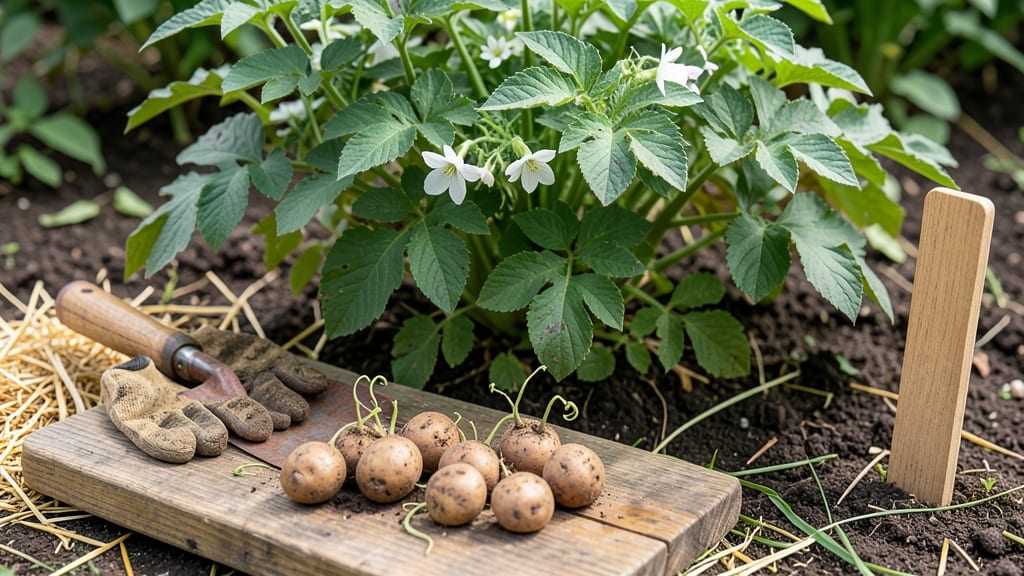
When should I plant potatoes in Zone 6? Timing your potato planting in this region can mean the difference between a bumper harvest and a disappointing yield—get it wrong, and you risk stunted growth or even total failure. The key lies in understanding your soil's readiness, not just the calendar date. For Zone 6 (General), where frosts linger until April and heat arrives by June, planting too early or too late throws off your entire growing season.
Most gardeners in 6a-6b regions swear by early spring planting as soon as soil warms to 45°F—that's typically March or early April, depending on your microclimate. But there's a trick to beating frost: chitting your seed potatoes indoors 4-6 weeks before planting gives them a head start.
This 🥔 power move ensures your spuds sprout faster when soil finally cooperates.
Why does timing matter so much? Potatoes need cool soil to form tubers, but they hate heat stress. Plant too late, and you'll end up with small, misshapen potatoes by summer's end. The solution?
Test your soil temperature with a simple probe (or even your elbow!) and aim for that 45-55°F sweet spot. I'll show you exactly how to time it right—plus the best varieties for your Zone 6 garden.
Ready to grow potatoes that rival the grocery store? Let's dive into the soil temperature checklist that'll have you harvesting golden, plump potatoes by mid-summer. No more guesswork—just science-backed timing for your best harvest yet.
Optimal planting dates for potatoes in Zone 6 based on soil temperature
Potatoes in Zone 6 demand precise timing—plant too early, and frost will damage tender sprouts; too late, and sweltering heat stunts tuber growth. The key is soil temperature, not air temperature.
Aim for 45°F (7°C) minimum, with ideal conditions between 50-60°F (10-15°C). This window typically opens in late March to early April, but regional microclimates can shift dates by weeks.
For early spring plantings, start 4-6 weeks before your last frost date (usually around April 15 in Zone 6).
This gives tubers time to establish before summer heat arrives. Late spring plantings (May) are riskier but can work for heat-tolerant varieties like Yukon Gold or Red Pontiac, provided soil stays cool.
In Zone 6a (colder regions), prioritize early varieties like Kennebec or Russet Burbank—they mature in 70-90 days, avoiding summer heat stress. Zone 6b gardeners have slightly more flexibility but should still plant by mid-April to prevent tuber scab (a fungal issue triggered by hot, dry soil).
🌱
| Soil Temperature (°F) | Recommended Planting Window (Zone 6) | Growth Stage Impact | Best Varieties for Timing |
|---|---|---|---|
| 45-49°F (7-9°C) | Late March (Zone 6b) / Early April (Zone 6a) | Slow sprouting; risk of frost damage | Kennebec, Red Pontiac |
| 50-59°F (10-15°C) | Mid-April to Early May | Optimal tuber formation; minimal stress | Yukon Gold, Fingerlings |
| 60-65°F (15-18°C) | Late May (emergency plantings) | Reduced yield; risk of tuber scab | Sweet Potato, Purple Majesty |
| Above 65°F (18°C) | Avoid (unless using shade cloth) | Stunted growth; poor tuber development | None recommended |
Pro tip: Chit your seed potatoes (pre-sprout in a bright, cool spot) 2-4 weeks before planting. This jumpstarts growth, giving you a 2-3 week head start on the season. Place cut seed potatoes in a 55-60°F (13-16°C) environment with light exposure—they’ll sprout "chits" (sprouts) that signal readiness to plant.
If you’re in a cooler microclimate within Zone 6 (e.g., near lakes or high elevations), push planting to late April. Conversely, warmer pockets (urban heat islands) may require March plantings to avoid heat stress. Always monitor 7-day forecasts for late frosts—even 28°F (-2°C) can kill young plants.
For fall plantings (a lesser-known trick), try late August to early September with early-maturing varieties like Adirondack Blue. These "second crops" harvest before winter sets in, but yields are typically 30-50% smaller than spring plantings.
🌡️
Remember: Soil temperature > air temperature. A 50°F (10°C) day might feel mild, but if the soil is still 40°F (4°C), potatoes won’t thrive. Use a soil thermometer (or a DIY method like pressing your hand into the soil for 10 seconds—if it’s too cold, wait).
This small tool is your best friend for Zone 6 success.
How to test soil temperature and prepare for potato planting
Testing your soil temperature before planting potatoes in Zone 6 is the secret to a successful harvest. Potatoes need 45-55°F soil to sprout properly, but temperatures below 40°F can delay germination or even kill young plants.
Grab a simple soil thermometer—available at garden centers for under $10—and check the temperature at a 4-inch depth, which is where seed potatoes will sit.
Start testing in late February or early March, depending on your specific Zone 6 sub-region (6a vs. 6b). If your soil is still below 45°F, cover your seed potatoes with straw or black plastic mulch to warm them faster.
This trick can shave 1-2 weeks off your planting timeline, giving you an earlier harvest.
Now, let’s talk soil prep—the foundation of your potato patch. Potatoes thrive in loose, well-draining soil with a pH between 5.0 and 6.5. If your soil is heavy clay or sandy, amend it with 2-3 inches of compost or aged manure mixed into the top 12 inches.
Avoid fresh manure, which can burn tender potato roots.
Test Soil Temperature
Use a soil thermometer to check 4-inch depth daily in morning sunlight. Aim for 45-55°F before planting.
Amend Soil for Drainage
Mix in compost or aged manure to improve drainage and fertility. Avoid compacting soil—potatoes need room to grow.
Choose the Right Spot
Select a sunny, sheltered location with 6+ hours of sunlight. Avoid low spots where frost lingers.
Protect from Late Frosts
Use frost blankets or row covers if nighttime temps dip below 32°F after planting.
One common mistake is planting too shallowly, which can expose potatoes to light and turn them green (toxic!). Bury seed potatoes 4-6 inches deep, with the eyes facing upward. Space them 12 inches apart in rows 3 feet apart to allow for tuber expansion and easy harvesting.
If your soil is rocky, consider raised beds for better control over depth and drainage.
Finally, don’t forget to chit your seed potatoes before planting. Place them in a bright, cool spot (50-60°F) with the eyes facing up for 2-4 weeks. This encourages early sprouting, giving your potatoes a head start once soil warms up.
With the right prep, your Zone 6 potato patch will be off to a flying start!