
Planting
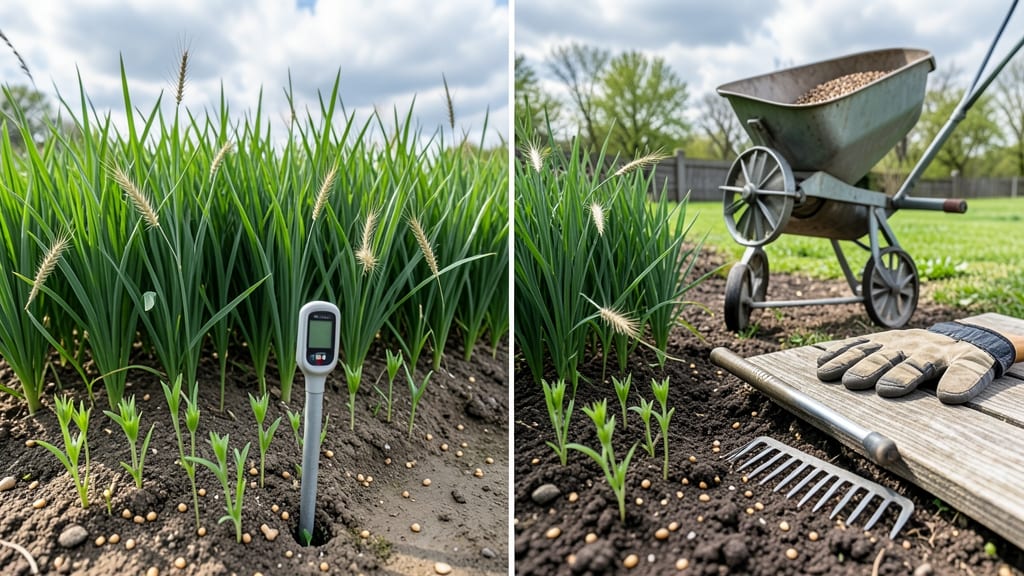
Timing your spring grass planting wrong can mean sparse lawns or wasted seed—here’s the exact science behind soil temperature, frost dates, and regional planting windows to ensure a lush, healthy lawn. 🌱
If you’ve ever stared at a seed packet wondering, "Why didn’t my grass grow?" the answer might be as simple as planting too early or too late.
The key to a thriving lawn starts with understanding your local climate and soil conditions—especially in USDA Zone 6a, where early springs can trick even experienced gardeners.
Most gardeners aim to plant grass 4-6 weeks before the last frost, but that’s just the starting point. What you really need to know is how soil temperature plays a role—cool-season grasses like Kentucky Bluegrass need soil at 50°F+, while warm-season types like Bermuda thrive at 60°F+.
Let’s break down the steps to get it right the first time.
In this guide, I’ll walk you through how to check your soil temperature, adjust for unpredictable weather, and choose the best grass type for your region—so you can skip the guesswork and enjoy a vibrant lawn all season long.
Optimal soil temperature and frost-free rules for spring grass planting
Planting grass in the spring is all about timing. The difference between a thick, green lawn and a patchy failure often comes down to two key factors: soil temperature and your last frost date.
Cool-season grasses like Kentucky bluegrass and tall fescue need soil temps between 50°F and 65°F to germinate properly, while warm-season grasses like Bermuda and Zoysia prefer 60°F to 75°F. Planting too early risks frost damage, while waiting too long can lead to drought stress or weed competition.
To nail the perfect window, start by checking your USDA hardiness zone. Most northern regions (zones 3-6) can plant 4-6 weeks before the last frost, while southern zones (7-10) should aim for late spring to early summer when soil warms.
For example, in Zone 5, that’s typically mid-April to early May, whereas in Zone 8, you might wait until June for warm-season grasses. Always verify your local frost dates using the National Weather Service or Old Farmer’s Almanac.
🌱 Spring Grass Planting Timeline by Climate
| Climate Zone | Grass Type | Soil Temp Range | Planting Window | Key Risk |
|---|---|---|---|---|
| Zones 3-5 (Cool) | Kentucky Bluegrass, Tall Fescue | 50°F–65°F | Mid-April to May | Late frost damage |
| Zones 6-7 (Transition) | Ryegrass, Fine Fescue | 55°F–70°F | Late April to June | Weed competition |
| Zones 8-10 (Warm) | Bermuda, Zoysia | 60°F–75°F | May to July | Drought stress |
If you’re unsure about your soil temperature, grab a soil thermometer (they’re cheap and game-changing) and check it 1 inch below the surface in the morning. For cool-season grasses, wait until the daily average hits 50°F consistently for a week.
Pro tip: Morning temperatures are often cooler than afternoon highs, so planting in the early spring might still leave your seeds vulnerable to overnight frosts. Always err on the side of waiting a little longer—your lawn will thank you.
Another pro move? Use a frost-free date calculator like the one from the Almanac to estimate your safe planting window. For example, if your last frost is April 15, aim to plant 4-6 weeks prior (around March 1-15) for cool-season grasses.
But if you’re in a microclimate (like a valley or near water), frost can linger longer—so monitor local forecasts closely. Weather apps with 10-day forecasts are your best friend here.
One common mistake I see is planting too early just because the ground looks dry. Cold, dry soil can actually inhibit germination, leaving you with sparse, uneven growth. Instead, focus on soil moisture and temperature—your seeds need both to activate and sprout.
A simple trick? Cover newly seeded areas with straw mulch (not wood chips, which can steal nitrogen) to retain moisture and protect seeds from temperature swings. This is especially critical in northern climates where late frosts can still hit in May.
For warm-season grasses, the rule flips: you want soil temps above 60°F and consistent warmth. In southern zones, this often means waiting until June. The key is to avoid planting during heatwaves, as dry, hot soil can bake seeds before they germinate.
If you’re in Zone 8 or higher, consider late summer planting (August-September) for better success with Bermuda or St. Augustine.
Finally, don’t forget to test your soil pH before planting. Most grasses thrive in pH 6.
Optimal soil temperature and frost-free rules for spring grass planting
Spring grass planting success hinges on two critical factors: soil temperature and your last frost date. Cool-season grasses like Kentucky Bluegrass and Tall Fescue need soil at 50°F+ to germinate, while warm-season varieties such as Bermuda or Zoysia require 60°F+.
Planting too early risks frost damage, while waiting too long can lead to summer heat stress or weed competition.
Your USDA Zone 6a typically sees its last frost around April 15, but this varies by microclimate. Check your local National Weather Service data or use the Almanac’s Frost Calculator to pinpoint your exact window.
For most regions, aim to plant 4-6 weeks before the last frost—usually late March to early April.
Here’s how to verify your soil’s readiness: Use a soil thermometer (inserted 2-4 inches deep) and check temperatures daily. If readings dip below 50°F at night, wait another week. Pro tip: Morning soil temps are often 5-10°F cooler than afternoon readings—always check early!
Adjust for unpredictable springs by using row covers or straw mulch if frost threatens after planting. In early springs (like 2023’s record warmth), monitor 7-day forecasts—if a 32°F+ drop is predicted, delay planting until temps stabilize.
Warm-season grasses can handle late springs, but cool-season types may struggle if planted after May 1.
For sod vs. seed, sod can be laid 2 weeks earlier than seed since it’s less frost-sensitive. However, seed offers more variety and cost savings. If you’re unsure, test your soil’s pH (6.0-7.0 ideal) and drainage first—amend with compost or lime as needed before planting.
Remember: Consistency beats perfection. Even a few days off your target window won’t doom your lawn—just be patient with watering and fertilization. With the right timing, your grass will germinate in 14-21 days and establish a dense root system by summer. 🌱