
Plants
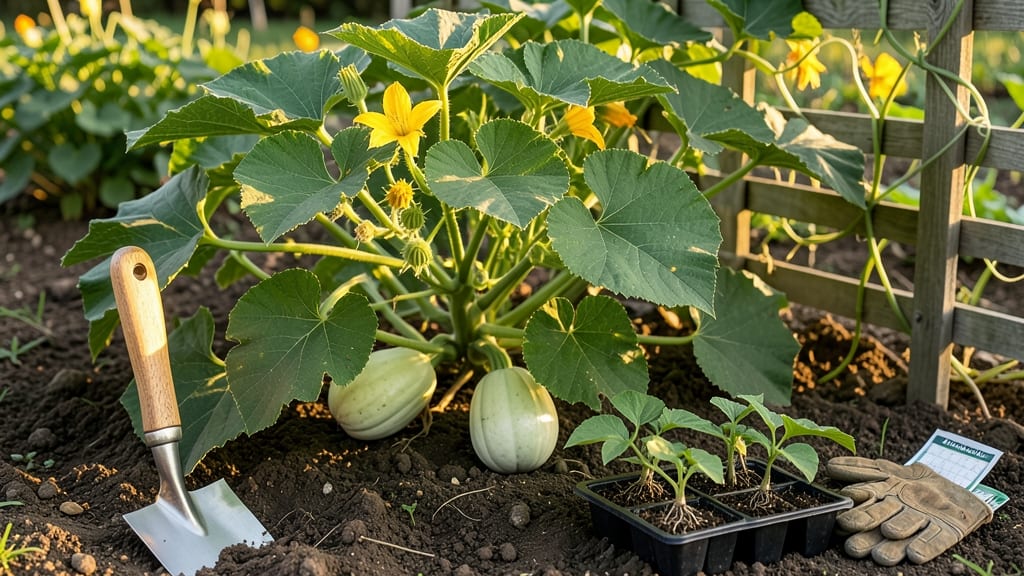
Timing your 🎃 pumpkin planting in Indiana isn’t just about throwing seeds into the ground—it’s about working with the state’s unpredictable frost dates and microclimates to guarantee a bountiful harvest.
With USDA zones 5b-6b and frost risks lingering until mid-April, planting too early can leave tender seedlings vulnerable, while waiting too long might cut your growing season short.
Most Indiana gardeners get their pumpkins in the ground between late May and early June, once soil temperatures hit a steady 70°F and the danger of frost has passed.
But here’s the catch: your exact planting window depends on whether you’re in northern Indiana (closer to zone 5b) or southern Indiana (leaning toward 6b), where frost-free periods stretch longer.
You’ll learn how to read your local frost data, choose the right varieties for your zone, and even adjust for Indiana’s infamous late-spring cold snaps. Whether you’re planting seeds directly or starting with seedlings, these insights will help you avoid common mistakes and maximize your pumpkin patch’s potential.
Let’s break down the science-backed timeline so you can confidently plant your 🎃 pumpkins—and enjoy a harvest that rivals the ones you’ve seen at farmers’ markets all season long.
Indiana pumpkin planting dates by hardiness zone (5a-6b) with frost risk analysis
Pumpkins thrive in Indiana’s USDA Zones 5a-6b, but timing is everything. The last frost date varies across the state—from April 15 in southern Indiana to May 1 in northern areas—so aligning your planting with local averages is critical.
Pumpkins need a 100-120 day growing season, meaning you must plant seeds after soil warms to 70°F (typically late May to early June) to avoid fall frosts.
Indiana’s first frost risk arrives between October 15-30, leaving a 165-day frost-free window. This tight timeline means gardeners in Zone 5a (northern Indiana) must plant earlier than those in Zone 6b (southern Indiana). Missing this window can leave your pumpkins stunted or vulnerable to frost damage.
For maximum success, use local frost date data from sources like the Indiana State Climate Office. Southern Indiana (e.g., Evansville) can start planting 2-3 weeks earlier than northern regions (e.g., Fort Wayne). Always verify your last frost date annually—Indiana’s climate shifts unpredictably.
Here’s how to match your planting schedule to Indiana’s hardiness zones and soil temperature thresholds:
| Zone | Last Frost Date | Planting Window | Soil Temp (°F) | Harvest Window |
|---|---|---|---|---|
| 5a (Northern IN) | May 1 | Late May–June 15 | 70°F+ | Late Sept–Oct 10 |
| 5b (Central IN) | April 25 | Mid-May–June 10 | 70°F+ | Early Sept–Oct 15 |
| 6a (Southern IN) | April 15 | Early May–June 5 | 70°F+ | Late Aug–Oct 5 |
| 6b (SW IN) | April 10 | Late April–May 30 | 70°F+ | Mid-Aug–Oct 10 |
🌱 Note: Adjust for microclimates (e.g., urban heat islands plant 1 week earlier).
Direct-sowing pumpkin seeds is the best method in Indiana, as seedlings struggle in the state’s humid climate. Plant seeds 1 inch deep, spacing them 2-3 feet apart in hills for better air circulation.
If you’re in Zone 5a and worried about late frosts, opt for fast-maturing varieties like 'Jack Be Little' (75 days) or 'Small Sugar' (80 days) to ensure harvests before frost.
Indiana’s summer heat (often exceeding 90°F) can stress pumpkin vines, so prioritize well-draining soil and mulching to retain moisture. Avoid planting in low-lying areas, where cold air pools and delays soil warming. Instead, choose slightly elevated, sunny spots with 6-8 hours of sunlight daily.
Pro tip: Use a soil thermometer to confirm 70°F+ soil temps before planting. Cold soil slows germination, and pumpkin seeds won’t sprout below 60°F. If your soil is still chilly in early May, consider black plastic mulch to warm it faster—this can shave 1-2 weeks off your planting timeline.
Remember, Indiana’s fall frost risk increases after October 1, so time your planting to finish 60-75 days before the average first frost. For example, a 100-day variety planted on June 1 in Zone 5b will likely mature by September 10, leaving a buffer before frost.
For extra insurance, track local weather forecasts and use frost-protective row covers if late frosts threaten. With the right timing, Indiana gardeners can grow bountiful pumpkins—just don’t wait until June 15 to plant in Zone 5a! 🎃
How to adjust pumpkin planting for Indiana’s unpredictable weather (early vs late planting tradeoffs)
Indiana’s weather can be a real pumpkin planter’s nightmare—one day it’s 75°F and sunny, the next you’re dealing with a surprise frost that wipes out tender seedlings. The key to success?
Flexibility. Most gardeners aim for late May to early June planting, but if you’re in northern Indiana (zone 5b), you might need to wait until mid-June to avoid frost risks.
For southern Indiana (zone 6b), you can push planting back to early July for a fall harvest, but this cuts your growing season short. The tradeoff? Earlier planting risks frost damage, while later planting may limit fruit development before the first frost in mid-October. Balance is everything.
Early vs. Late Planting Tradeoffs
| Factor | Early Planting (Late May) | Late Planting (July) |
|---|---|---|
| Frost Risk | High (northern IN) | Low (southern IN) |
| Growing Season | Longer (120+ days) | Shorter (90 days) |
| Yield Potential | Higher (if no frost) | Lower (smaller fruit) |
| Best For | Fast-maturing varieties | Heat-tolerant varieties |
🌱 Pro Tip: Use row covers for early planting to protect seedlings from late frosts.
If you’re worried about frost, opt for fast-maturing varieties like 'Jack Be Little' (75 days) or 'Howden' (85 days). These can handle shorter seasons and still produce market-ready pumpkins by early October.
For a longer harvest window, try 'Cinderella' (90 days) or 'New England Pie Pumpkin' (100 days), but plant these no later than mid-June.
Another trick? Start seeds indoors 4-6 weeks before your target outdoor planting date. Use biodegradable pots to transplant seedlings without disturbing roots. This gives you a head start and reduces the risk of losing your crop to a late frost.
Just be sure to harden off seedlings for 7-10 days before moving them outside.
For gardeners in microclimates (like urban areas with heat islands), you might plant 1-2 weeks earlier than rural zones. Check your local CoCoRaHS weather station data for precise frost dates—it’s more accurate than general zone averages.
And if all else fails, keep a row cover or frost blanket handy for those unpredictable May nights.
Remember, pumpkins are heat-loving plants, so if you plant too late, they’ll struggle in Indiana’s sweltering July and August heat. The goal is to give them 60-90 days of warm weather before the first frost. With the right adjustments, you’ll turn Indiana’s quirks into a pumpkin-growing advantage.