
Planting
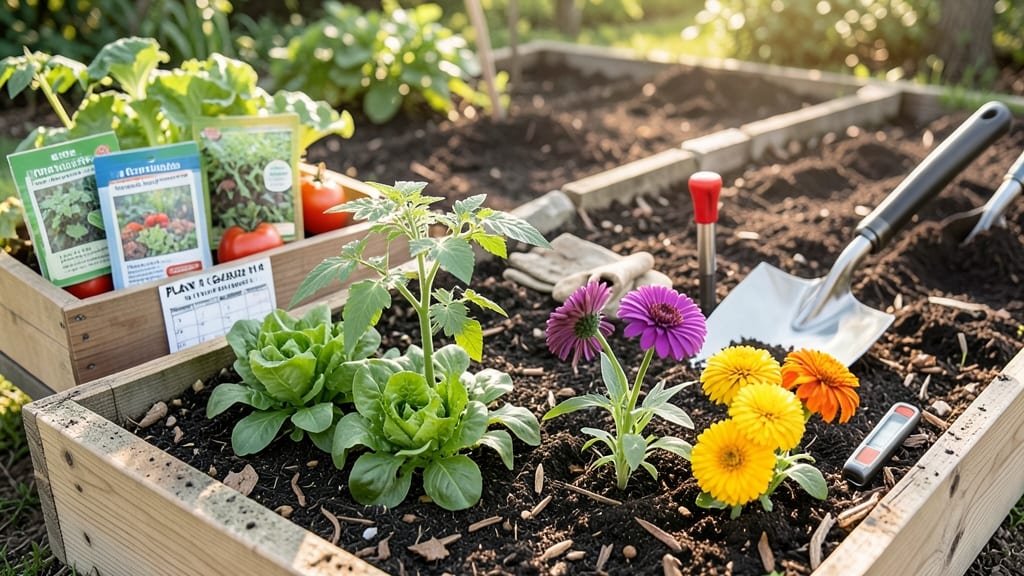
Timing your garden planting in New Brunswick isn’t just about grabbing seeds—it’s about beating the clock before frost strikes again. Miss the window, and you’ll end up with bitter greens or leggy seedlings that never thrive.
The difference between a bountiful harvest and a wasted season often comes down to knowing exactly when to start, whether you’re in St. John or Charlotte County.
New Brunswick’s climate can be tricky—coastal areas warm up faster than inland spots, and last frost dates shift yearly. That’s why I’ve dug into historical data to give you the precise planting deadlines by county, so you can avoid common mistakes like bolting lettuce or stunted tomatoes.
No more guessing games.
What you’ll discover here are the frost-free planting windows tailored to your area, plus smart strategies to stretch your growing season without risking damage. Whether you’re a first-time gardener or a seasoned green thumb, these insights will help you plant with confidence—and enjoy the rewards all summer and fall.
Let’s cut to the chase: the right timing isn’t just about seeds in the ground—it’s about maximizing your harvest before the first chill sets in. Ready to get started?
New Brunswick frost-free planting dates by county: avoid bolt risk
New Brunswick’s cool maritime climate means your last frost dates vary dramatically by county—some areas get 3 weeks earlier than others! Understanding these frost-free windows is critical to avoiding bolt risk in heat-sensitive crops like lettuce and spinach.
Here’s the breakdown you need to plan your 2024 garden like a pro.
Most of New Brunswick falls within USDA Hardiness Zones 4b-6a, but coastal regions (like Charlotte County) warm up faster than inland areas (like York County).
This means St. John gardeners can plant cool-season crops 2 weeks earlier than Sunbury County neighbors. Let’s dive into the exact frost-free deadlines by county.
| County | Avg. Last Frost | Safe Planting Window | Heat-Sensitive Crops |
|---|---|---|---|
| St. John | May 10 | May 15–June 1 | Lettuce, Spinach, Peas |
| York | May 20 | May 25–June 10 | Kale, Radishes, Cabbage |
| Charlotte | May 5 | May 10–May 25 | Broccoli, Cauliflower |
| Sunbury | May 25 | June 1–June 15 | Peppers, Tomatoes |
| Carleton | May 15 | May 20–June 5 | Green Onions, Beets |
📅 Pro Tip: Coastal areas (Charlotte) can plant 3 weeks earlier than inland (Sunbury)!
If you’re growing heat-loving crops like tomatoes or peppers, wait until after June 1 in most counties—except Charlotte County, where you can start 2 weeks earlier.
For cool-season crops, aim to plant 2–3 weeks before your county’s last frost date to ensure strong root establishment before warmer weather arrives.
Microclimates matter! Coastal areas like Grand Manan often see warmer springs due to ocean currents, while inland valleys (like Medaidsville) can experience late frosts into early June. Always check local weather forecasts and use soil thermometers—50°F (10°C) is the minimum for most seed germination.
For perennials like asparagus or rhubarb, plant in early spring (March–April) to give roots time to establish before summer heat. These cold-hardy plants benefit from earlier planting to avoid bolting or poor yield.
Don’t forget about fall planting! Many cool-season crops thrive when seeded in late July–August for a second harvest before first frost. Kale, spinach, and radishes are perfect for this strategy.
Use these frost-free deadlines as your garden’s GPS. Planting too early risks frost damage, while waiting too long can lead to bolt risk or poor germination. For extra insurance, consider row covers or cold frames to extend your growing season safely.
Next, we’ll cover how to extend your New Brunswick growing season without risking frost damage—so you can grow tomatoes in May or kale in October like a local pro!
How to extend your New Brunswick growing season without risking frost damage
New Brunswick’s short growing season doesn’t mean you’re stuck with a tiny harvest. With the right strategies, you can extend your planting window by weeks—even months—while keeping your crops safe from late frosts. The key is combining seasonal adjustments with protective tools like row covers and cold frames.
Start by focusing on heat-tolerant varieties that thrive in cooler conditions. Swap out sensitive crops like spinach or lettuce for hardier options such as Swiss chard or kale, which handle cooler temps better. These plants can often be planted 2-3 weeks earlier without bolting or struggling.
Another game-changer is succession planting. Instead of planting everything at once, stagger your seeds every 2-3 weeks to ensure a steady supply of fresh produce. For example, plant radishes or lettuce in early May, then again in June—this way, you’ll have a continuous harvest until frost.
💡 Proven Strategies to Extend Your Season
- Cold frames: Add 2-4 weeks to your growing season by trapping heat near the soil.
- Row covers: Protect seedlings from light frosts (down to 28°F) while allowing sunlight.
- Black plastic mulch: Warms soil faster in spring, letting you plant earlier.
- Succession planting: Space out plantings every 2 weeks for non-stop harvests.
Example: In York County, use row covers to plant cabbage in early May—without them, wait until late May.
For late-season crops, consider hoop houses or low tunnels. These simple structures can push your harvest into October or November, depending on your county. Just ensure proper ventilation to avoid overheating during sunny days.
Pair this with drought-tolerant plants like zucchini or beans, which handle heat better than moisture-loving crops.
Don’t overlook soil preparation—warmer soil means earlier planting. Mix in compost or aged manure in early spring to raise soil temps faster. A soil thermometer (aim for 50°F+) will tell you when it’s safe to plant heat-loving crops like tomatoes or peppers.
Finally, keep a planting journal to track what works best in your microclimate. Note which strategies (like row covers or succession planting) gave you the longest harvests. Over time, you’ll refine your approach to maximize every frost-free day in New Brunswick.