
Plants
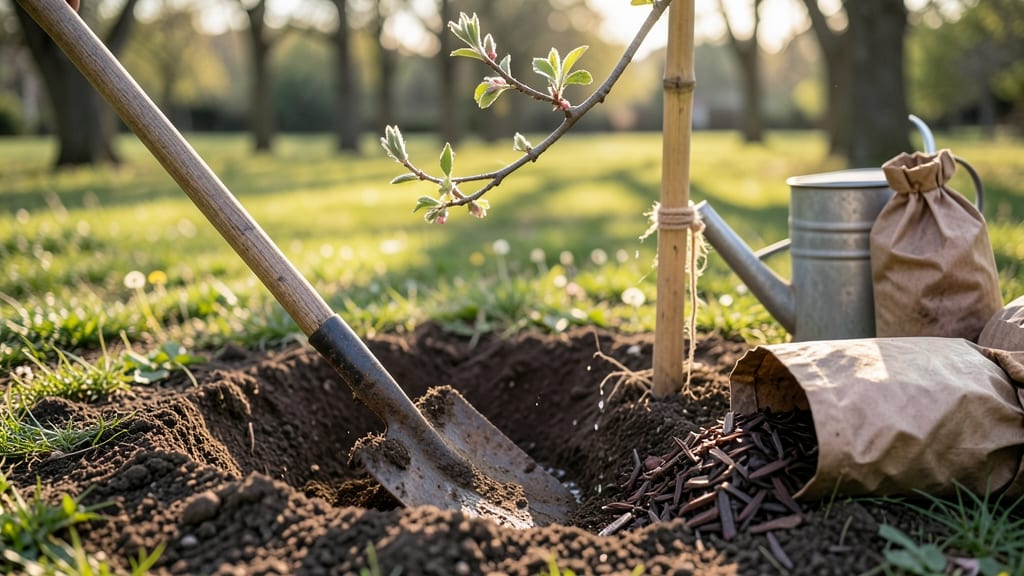
Timing matters more than you think when it comes to planting a tree in the ground—get it wrong, and you could be setting your 🌳 up for years of struggle.
The best planting window isn’t just about the calendar; it’s about soil temperature, local frost dates, and whether your tree is deciduous or evergreen. In zone 6a, where many gardeners live, late fall to early spring offers the perfect balance of cool weather and moisture.
Why does this matter? Because planting at the right time means deeper root growth, faster establishment, and a tree that thrives for decades—not one that wilts or struggles to take hold. I’ve seen firsthand how a tree planted in March or April can outpace one planted in summer by miles.
Let’s break down the science and seasonal secrets so you can give your tree the best possible start.
You might think spring is the only option, but the truth is more nuanced. Evergreens, for example, handle late fall planting better than summer heat, while deciduous trees benefit from early spring’s moisture.
We’ll cover exactly when to plant based on your climate, plus how to prep the soil and avoid common pitfalls that kill trees before they even begin.
Ready to plant with confidence? By the end, you’ll know not just when to dig that hole, but how to set your tree up for long-term success—no guesswork required.
Best months to plant trees by u.s. climate zone
Timing your tree planting is everything—plant too early, and roots may freeze; too late, and your tree struggles to establish before summer heat. The ideal window varies by climate zone and tree type (deciduous vs. evergreen).
For most regions, late fall to early spring (before bud break) offers the best conditions for root growth without competition from established plants.
Deciduous trees like oak or maple thrive when planted in dormant seasons, while evergreens such as pine or spruce prefer cooler, moist soil in fall or early spring.
Southern climates with mild winters can extend planting into late winter or early spring, but avoid extreme heat or frost periods. Let’s break down the best months by zone to maximize your tree’s survival and growth potential.
🌳
| Climate Zone | Best Planting Months | Soil Temp Threshold | Tree Types |
|---|---|---|---|
| Cold (Zones 3-5) | Late April–early June | Above 40°F (4°C) | Deciduous (oak, maple), Evergreen (spruce, fir) |
| Temperate (Zones 6-8) | November–March (dormant season) | Above 50°F (10°C) | Deciduous (birch, cherry), Evergreen (pine, cedar) |
| Warm (Zones 9-11) | January–March (avoid summer heat) | Above 60°F (15°C) | Citrus, palm, tropical species |
| Desert/Semi-Arid | September–November (monsoon season) | Soil moisture critical | Mesquite, palo verde, drought-resistant species |
In cold climates (Zones 3-5), aim for late April to early June when soil temperatures rise above 40°F (4°C). This gives roots time to establish before winter.
For temperate zones (6-8), November to March is ideal—planting in fall lets roots grow before spring, while early spring avoids summer drought stress.
Southern regions (Zones 9-11) can plant year-round, but January to March avoids extreme heat. Desert areas should focus on monsoon season (September–November) to ensure adequate soil moisture. Always check your local frost dates—planting too early risks frost damage, while waiting too long delays root establishment.
Pro tip: Use a soil thermometer to confirm temperatures meet your tree’s needs. For bare-root trees, plant in late fall or early spring while dormant; container-grown trees offer more flexibility but still benefit from cooler months. Avoid planting during peak summer heat or winter frosts.
🌱
If you’re in Zone 6a (like much of the Midwest), your ideal months are March and April, with February and May as backup options. For example, a red oak planted in early April will develop a stronger root system by summer than one planted in June.
Evergreens like blue spruce also prefer cool, moist soil, so fall planting is best.
Regional microclimates matter too. A south-facing slope warms faster than a north-facing yard, so adjust your timing accordingly. Always research your specific tree species—some, like fruit trees, need chilling hours in winter, while others thrive in warm climates year-round.
🪴
Once you’ve nailed the month, focus on soil prep and watering. Loosen soil to a depth of 12–18 inches, mix in compost, and water deeply after planting. Mulch around the base to retain moisture and regulate soil temperature.
With the right timing and care, your tree will grow 3x faster in its first year compared to a poorly timed planting.
Ready to plant? Grab your shovel, soil thermometer, and mulch—your tree’s future starts with the right timing! For more details on soil prep and aftercare, check out the next section on critical factors for success.
Critical factors that determine tree planting success
Timing isn’t the only factor—soil temperature, moisture, and even your tree’s type play huge roles. In USDA Zone 6a, where first frost hits around October 15, the window for planting shrinks quickly.
I’ve learned that soil temps below 50°F signal it’s safe for most trees, but evergreens need cooler, damper conditions to thrive.
Your tree’s root flare depth matters too. Planting too deep can suffocate roots, while shallow planting leaves them vulnerable. The root collar (where roots meet trunk) should sit just above ground level—never buried. I always double-check this before backfilling the hole.
Don’t overlook local microclimates. A south-facing slope warms faster than a north-facing yard, altering frost dates. Use a soil thermometer ($10 at garden centers) to verify temps before planting. Pro tip: Bare-root trees handle cooler soils better than container-grown ones.