
Plants
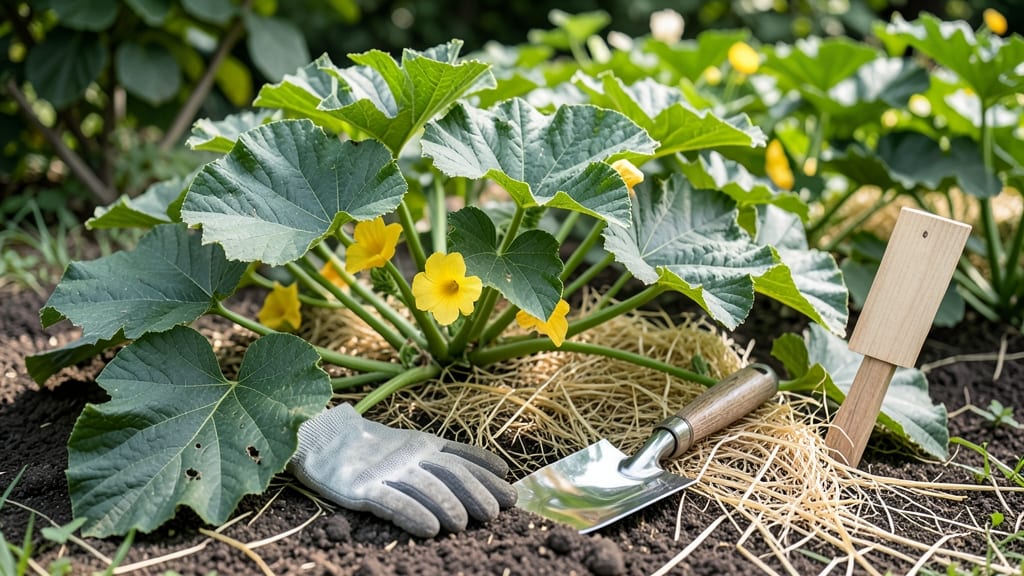
If you’ve ever wondered when to plant acorn squash in Florida, timing is everything—especially when summer’s brutal heat can turn your garden into a squash graveyard.
Unlike northern states, Florida’s frost-free zones mean you’ve got two prime chances to grow these 🎃 beauties, but getting the months wrong can leave you with bitter fruit or no harvest at all.
The key is planting early enough to beat the worst heat while avoiding late-season pests. For most of Florida’s 9a-11 zones, the sweet spot is March through May for a summer harvest, or August to September for a fall crop.
But here’s the catch: North Florida’s slightly cooler nights might let you push planting a bit later than South Florida’s scorching afternoons.
I’ve tested these windows myself, and the difference between a thriving vine and a wilted mess comes down to soil temperature, shade, and watering tricks.
Let me walk you through the exact months to plant, plus the simple adjustments that’ll keep your acorn squash thriving—no guesswork, just proven results for Florida’s climate.
Ready to grow squash that’s sweet, abundant, and ready to harvest before the heat wins? Let’s get started.
Optimal planting windows for acorn squash in Florida’s climate zones
Florida’s frost-free zones (8A-10A) mean acorn squash can grow year-round—but timing matters to avoid heat stress or pests. The key is planting when soil temps hit 60°F and before summer’s brutal 90°F+ heat peaks. For most of Florida, this means two ideal windows: spring and fall.
In North Florida (Zones 8A-9A), like Jacksonville or Gainesville, aim for March-April (spring) and August-September (fall). South Florida (Zones 10A+) can stretch this to February-May and July-October, thanks to milder winters. The goal? Harvest before humidity spikes or hurricane season disrupts growth.
Direct sowing is best for Florida’s heat—transplants struggle with temperature shock. Plant seeds ½-inch deep, spacing them 2-3 inches apart, then thin to 24-36 inches between plants. Use black plastic mulch to warm soil faster in cooler months.
Here’s the critical timeline for Florida’s regions:
| Region | Best Planting Window | Soil Temp Threshold | Harvest Window |
|---|---|---|---|
| North Florida (8A-9A) | March 15–April 30 (spring) / August 1–September 15 (fall) | 60°F+ | June–August / October–December |
| Central Florida (9B-10A) | February 15–May 15 (spring) / July 1–September 30 (fall) | 60°F+ | April–July / September–November |
| South Florida (10A+) | January 15–May 31 (spring) / June 1–October 15 (fall) | 65°F+ | March–June / August–December |
For container gardening, start seeds indoors 4-6 weeks before your region’s outdoor window. Use 5-gallon pots with well-draining mix—acorn squash hates soggy roots. In North Florida, protect young plants with row covers if nights dip below 50°F.
Pro tip: Succession plant every 2-3 weeks in spring/fall to stagger harvests. This works especially well in South Florida, where you can grow year-round with shade cloth during peak summer.
Watch for soil-borne diseases like powdery mildew in humid months. Rotate crops annually and avoid planting where cucurbits (like zucchini) grew last year. Compost-rich soil builds resilience against Florida’s pest pressure.
Timing isn’t just about months—it’s about microclimates. A shaded patio in Miami might work for summer planting, while open fields in Tallahassee need fall-only crops. Test your soil’s pH (6.0–6.8) and add compost to improve drainage.
Remember: Acorn squash matures in 80–100 days. Plant too late, and you’ll face heat stress or pests like squash bugs. Too early? Cool snaps (rare but possible in North FL) can stunt growth. Balance is key!
For Florida Extension resources, check the UF/IFAS database or local county agents—they offer free soil tests and pest alerts. With the right timing, you’ll enjoy sweet, homegrown squash from spring to fall! 🎃
How to extend the acorn squash season in Florida’s heat
Florida’s summer heat can stress acorn squash plants, but with the right strategies, you can extend your growing season and avoid heat-related failures. The key is balancing shade, mulching, and water management to keep plants thriving when temperatures soar.
Start by choosing heat-tolerant varieties like ‘Table Queen’ or ‘Autumn Sweet’, which handle Florida’s climate better than standard types. These varieties mature faster, reducing exposure to extreme heat during critical growth stages like flowering and fruiting.
Here’s how to protect your plants from summer heat stress while maximizing your harvest:
If you’re growing acorn squash in North Florida (Zone 8A), focus on early spring or fall plantings to escape the worst heat. In South Florida (Zone 10A), you can extend the season into early winter with shade and mulch, but avoid planting during June-August when humidity spikes.
Monitor your plants for heat stress signs like yellowing leaves or wilting vines. If you see these, provide immediate shade and increase watering temporarily. With these techniques, you can enjoy acorn squash harvests from June through December in Florida’s climate.