
Plants
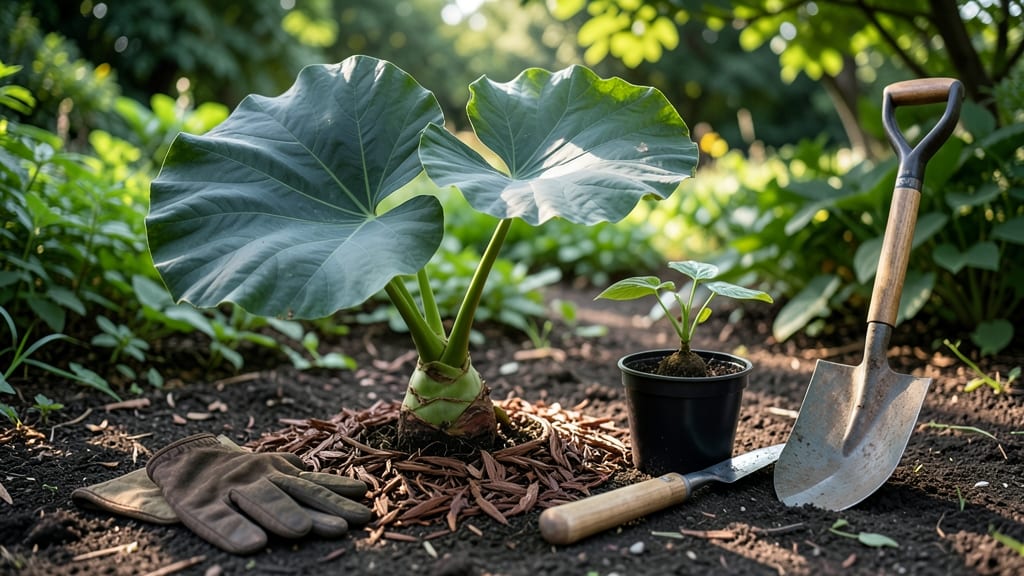
When to plant Elephant Ear 🌿 bulbs in Texas the right way means the difference between lush, tropical foliage and wilted disappointment. Plant too early, and the bulbs will rot in cold soil; too late, and you’ll miss the full growing season before summer’s brutal heat kicks in.
If you’re in USDA zones 8a-10b, the ideal window is March-May for North Texas and February-April for Central/South Texas. But here’s the secret: soil temperature matters more than calendar dates—wait until the ground warms to at least 60°F.
In this guide, I’ll break down the exact planting schedule for your region, plus soil prep tips to help your Elephant Ear take off. No more guessing—just a foolproof plan for dramatic, heat-loving foliage that thrives all summer long.
Ready to transform your garden into a tropical oasis? Let’s dive into the best times to plant and keep your Elephant Ear bulbs happy and growing.
Texas heat-zone planting schedule for Elephant Ear bulbs
Timing your elephant ear bulbs in Texas depends entirely on your region’s USDA zone and last frost date. Plant too early, and the bulbs rot in cold soil; too late, and you miss their summer foliage explosion. Here’s the breakdown by Texas zone to avoid both mistakes.
North Texas gardeners (zones 7b-8a) should wait until mid-March after the average last frost (typically February 15-March 15). Central Texas (zones 8a-8b) can start as early as late February, while South Texas (zones 9a-10b) enjoys a December-February window thanks to milder winters.
Soil temperature is your true planting trigger. Elephant ear tubers need consistently warm soil at 60°F+. Use a soil thermometer to confirm—cold soil delays root growth and invites rot. In North Texas, this often means waiting until April for reliable warmth.
Here’s how to align your planting with Texas’ heat zones for maximum foliage impact:
| Texas Region | USDA Zone | Last Frost Date | Ideal Planting Window | Soil Temp Goal |
|---|---|---|---|---|
| North Texas | 7b-8a | Feb 15 - Mar 15 | Mid-March to early April | 60°F+ |
| Central Texas | 8a-8b | Jan 15 - Feb 15 | Late February to March | 60°F+ |
| South Texas | 9a-10b | Dec 15 - Jan 15 | December to February | 55°F+ |
Pro tip: Early planting in South Texas (December-January) gives you a head start on summer’s 100°F+ heat. But in North Texas, rushing bulbs in before April risks frost damage to emerging shoots. Balance speed with safety!
For container gardening, adjust your timeline by 2-4 weeks later. Pots heat up faster and dry out quicker, so wait until soil temps are 65°F+ and move containers to shaded spots during 11 AM-3 PM to prevent wilting.
If you miss the spring window, don’t despair—elephant ears handle late summer planting (June) in South/Central Texas. Just mulch heavily to retain moisture and watch for aphid infestations in the heat.
Remember: Texas summers are brutal. The goal is to get bulbs rooted and established before consistent 90°F+ days arrive. With the right timing, your elephant ears will reward you with bold, glossy leaves that outshine any summer garden.
Texas heat-zone planting schedule for Elephant Ear bulbs
Timing your Elephant Ear bulb planting in Texas isn’t just about months—it’s about soil temperature and frost-free windows. In North Texas (USDA zones 8a-8b), wait until March 15-April 15 when nighttime temps stay above 50°F consistently.
For Central Texas (zones 8b-9a), February 15-March 15 works best, while South Texas (zones 9b-10b) gardeners can start as early as January 30-February 15.
Pro tip: Use a soil thermometer—plant only when soil reaches 60°F+ at 4-inch depth. Cold soil slows root growth and invites rot. In North Texas, this often means waiting until late April if March stays chilly.
| Texas Region | USDA Zone | Last Frost Date | Optimal Planting Window | Soil Temp Requirement |
|---|---|---|---|---|
| North Texas | 8a-8b | Feb 15-Mar 15 | March 15-April 15 | 60°F+ at 4" |
| Central Texas | 8b-9a | Jan 15-Feb 15 | Feb 15-Mar 15 | 58°F+ at 4" |
| South Texas | 9b-10b | Dec 15-Jan 15 | Jan 30-Feb 15 | 55°F+ at 4" |
Planting too early risks frost damage, while delaying past April in North Texas means your Elephant Ear may struggle to establish roots before summer’s 100°F+ heat.
In South Texas, you can push to early April for a second planting if you want summer foliage, but growth will slow dramatically in peak heat.
For container growing, adjust your schedule by 2-3 weeks earlier—pots warm up faster than ground soil. Place containers in full sun and use black plastic pots to absorb extra heat if needed.
Remember: Elephant Ear tubers are not frost-tolerant. If an unexpected freeze hits after planting, cover them with burlap and row fabric immediately. Even a 28°F night can kill emerging shoots.
Once planted, focus on consistent moisture and mulching to protect roots from Texas’ swinging temperatures. With the right timing, your Elephant Ear will reward you with 6-foot tropical leaves by early summer.