
Plants
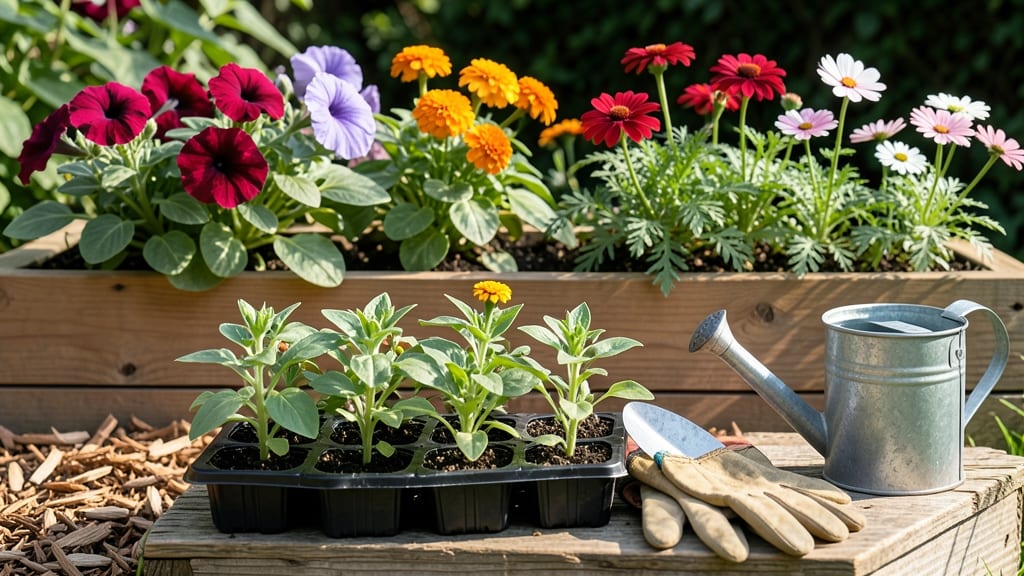
When to plant annuals in Colorado can make all the difference between a garden bursting with vibrant 🌸 blooms and one that bolts too soon. The state’s dramatic elevation shifts—from Denver’s high desert to the Western Slope’s lower zones—make planting windows surprisingly tricky to nail.
Most gardeners assume "after last frost" is the golden rule, but Colorado’s USDA Zones 5-8 demand a more precise approach. Planting marigolds in Denver by May 15 avoids heat stress, while Colorado Springs’ higher altitude buys you an extra week.
Even container gardens in urban areas need to sync with these deadlines to thrive.
In this guide, I’ll break down the exact planting schedules for your region—whether you’re on the Front Range or the Western Slope—so you can avoid those frustrating early blooms and maximize your garden’s potential. Let’s get those annuals in the ground at the perfect moment.
You’ll also discover how to adjust for microclimates, choose heat-tolerant varieties, and even extend your fall planting window with smart timing. No more guesswork—just lush, long-lasting color all season long.
Colorado’s planting zones by elevation: when to start annuals indoors vs outdoors
Colorado’s dramatic elevation changes mean your Denver garden has different rules than Grand Junction or Aspen. The USDA zones 5-8 here create microclimates where last frost dates can vary by weeks—even just 50 miles apart.
For example, Fort Collins (Zone 5) might see frost until May 15, while Colorado Springs (Zone 6) typically warms up by April 20. Understanding these zones is your first step to avoiding bolted annuals and maximizing bloom time.
High-altitude areas like Boulder or Eagle County (7,000+ ft) have shorter growing seasons and cooler soils, while Western Slope cities like Durango (Zone 6) enjoy earlier springs and longer fall seasons.
Even within the Front Range, urban heat islands (like Denver’s downtown) can push frost dates back by 7-10 days compared to rural areas.
This means your petunia seeds planted in March in Pueblo could bolt by June, while the same seeds in Steamboat Springs might not thrive until May 1.
Indoor starting is your secret weapon for high-altitude gardens. Begin cool-season annuals like pansies or calendulas indoors 6-8 weeks before your last frost date. For heat-lovers like marigolds or zinnias, wait until soil temps hit 60°F—usually mid-May for most of Colorado. Use this comparison table to match your elevation to the right timing:
| Zone/Elevation | Last Frost Date | Indoor Start (Cool Annuals) | Outdoor Planting Window | Heat-Tolerant Deadline |
|---|---|---|---|---|
| Zone 5 (7,000-8,000 ft) | May 15 | March 1 - March 15 | May 20 - June 10 | June 15 (soil 60°F+) |
| Zone 6 (6,000-7,000 ft) | April 20 | February 15 - March 1 | April 25 - May 15 | May 20 (soil 60°F+) |
| Zone 7 (4,000-6,000 ft) | March 15 | January 15 - February 1 | March 20 - April 10 | April 25 (soil 60°F+) |
| Zone 8 (3,000-4,000 ft) | February 15 | December 15 - January 15 | February 20 - March 15 | March 20 (soil 60°F+) |
For urban gardeners in Denver or Colorado Springs, container gardening adds flexibility. Pots warm up faster than soil, so you can plant heat-loving annuals like geraniums or portulaca 2-3 weeks earlier than in-ground.
Just use black containers to absorb heat and avoid chilly nighttime temps that stall growth. My balcony marigolds in a black pot bloomed 3 weeks earlier than my in-ground ones last summer!
Don’t overlook microclimates—your south-facing yard might be 5°F warmer than your north side. Use this to your advantage: plant heat-sensitive annuals like cosmos on the north side and sunflowers on the south.
In high-altitude areas, extend your season with row covers or cold frames to protect tender annuals until June 1.
Pro tip: Check your local <
Heat-zone map: critical planting deadlines to avoid bolted annuals
Colorado’s microclimates mean your Denver neighbor’s petunias might bolt while your Colorado Springs marigolds thrive—it’s all about heat-zone timing. The key? Planting annuals within 14-21 days of your local last frost date, adjusted for elevation.
Miss these windows, and you’ll watch cool-season plants wilt in heat or heat-lovers bolt prematurely.
Here’s the non-negotiable rule: Heat-tolerant annuals (like zinnias or sunflowers) must hit the ground by June 1 in most zones, while cool-season varieties (e.g., pansies) need to be in by May 15.
Use this heat-zone map to pinpoint your county’s deadlines—because a single week can mean the difference between blooms all summer and wilted disappointment.
| Region | Last Frost Date | Heat-Tolerant Deadline | Cool-Season Deadline | Fall Planting Window |
|---|---|---|---|---|
| Denver Metro (Zone 5-6) | April 15 | June 1 | May 15 | August 15–September 15 |
| Colorado Springs (Zone 6) | April 1 | May 31 | May 1 | August 1–September 10 |
| Fort Collins (Zone 5) | May 1 | June 15 | May 20 | August 20–September 10 |
| Grand Junction (Zone 7) | March 1 | May 15 | April 15 | July 30–August 30 |
🌡️ Pro Tip: Add 7–10 days to deadlines for high-elevation areas (e.g., Aspen, Leadville).
Why these deadlines matter: Heat-loving annuals (like portulaca or lantana) need 60+ days of warm soil to bloom. Plant them after June 1 in Denver, and you’ll miss the peak summer show.
Conversely, cool-season plants (e.g., snapdragons) bolt if soil temps hit 75°F—so get them in by May 15 or risk premature flowering.
For container gardeners in urban areas, these deadlines shift slightly. Containers heat up faster, so delay planting by 1-2 weeks to avoid root stress.
Use lightweight, fast-draining mixes (like cactus/succulent blends) to mimic high-altitude conditions. Morning sun and afternoon shade can extend your planting window by up to 10 days in heat-prone zones.
Colorado’s fall planting window is just as critical. Aim to plant cool-season annuals (like kale or pansies) 4-6 weeks before your first frost.
In Denver, that’s August 15–September 15; in Grand Junction, it’s July 30–August 30. Miss this, and you’ll sacrifice autumn blooms to early frost.
Remember: Soil temperature is your true north. Use a soil thermometer—wait until it hits 50°F for cool-season plants or 60°F+ for heat-lovers. In Colorado’s dry climate, this can mean waiting until late May for full sun spots. Patience now = non-stop blooms later. 🌸