Trees
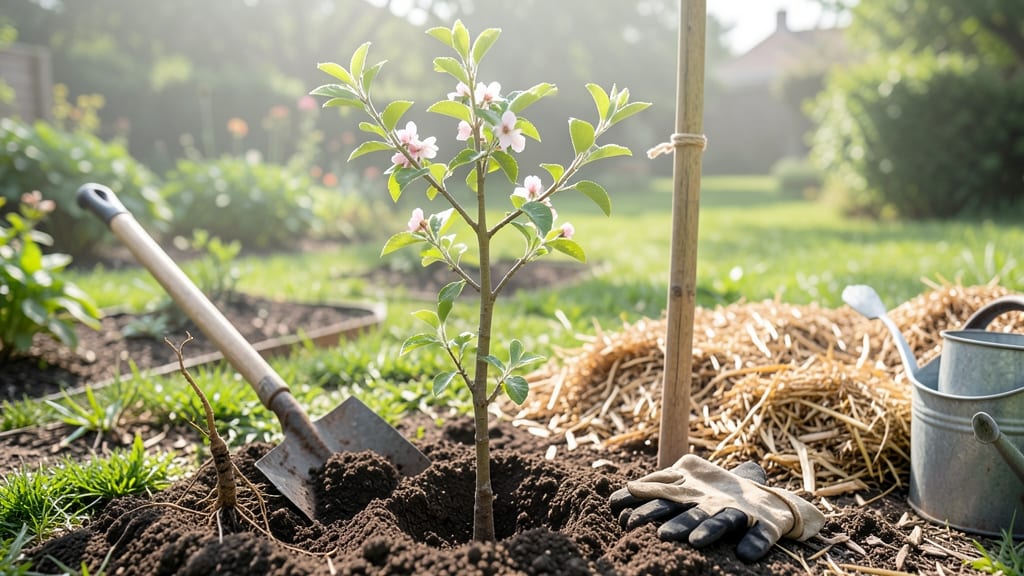
Timing your 🍎 apple tree planting in Illinois could make or break your orchard’s success—because planting too early risks frost damage, while waiting too long means weak root growth before winter.
The perfect window hinges on soil temperatures between 40–50°F, which typically arrives in early spring or late fall, depending on your hardiness zone.
Most Illinois gardeners in zones 5–6 swear by early spring (March–April) as the safest bet, when the ground thaws but last frost isn’t lurking. But fall planting (October–November) works too, if you choose container-grown trees—just avoid bare-root varieties after October 15, when frost sneaks in.
Why does this matter? Because root establishment is the secret to a healthy tree. Planting at the wrong time means struggling with transplant shock, stunted growth, or even death.
I’ll walk you through exactly how to check soil temps, pick the right variety for your zone, and prep your site for maximum success.
Ready to set your 🍎 apple tree up for a lifetime of harvests? Let’s dive into the science—and simple steps—to get it right the first time.
Optimal planting months in Illinois based on hardiness zones and soil temperature
In Illinois, where USDA hardiness zones 5–6 dominate, timing your apple tree planting around soil temperature triggers and frost dates is critical. The ideal window spans early spring (March–April) or fall (October–November), aligning with when soil warms to 40–50°F—the sweet spot for root establishment before summer heat stress.
Spring planting (March–April) offers the longest growing season before winter, but cooler northern Illinois regions (Zone 5) may need to wait until after the last frost (mid-April) to avoid transplant shock. Fall planting (October) gives roots time to establish before dormancy, though avoid late October when frost risks rise.
Bare-root trees thrive in early spring when soil is workable but not frozen, while container-grown trees can handle fall planting better due to their established root systems. Both methods require well-draining soil and full sun exposure to thrive in Illinois' climate.
Here’s a quick reference for Illinois’ planting windows by zone and soil conditions:
| Zone | Best Planting Months | Soil Temp Trigger | Frost Risk |
|---|---|---|---|
| 5 (Northern IL) | March–April (spring) or October (fall) | 40–45°F | High in late April/early May |
| 5–6 (Central IL) | March–May (spring) or October–November (fall) | 45–50°F | Moderate in late April |
| 6 (Southern IL) | February–April (spring) or October–November (fall) | 45–50°F | Low in late April |
For bare-root trees, prioritize early spring (March) to capitalize on Illinois’ 165 frost-free days. Container-grown trees, however, adapt better to fall planting (October), as their roots stay moist longer in pots. Both methods require amending soil with compost to improve drainage and fertility.
Northern Illinois gardeners should err on the side of late March or early April to avoid late frosts, while southern Illinois offers a wider window from February to May. Always check your local last frost date—delaying planting until after frost minimizes transplant shock risks.
Mulching with wood chips or straw after planting helps regulate soil temperature and retain moisture, a critical step for young trees in Illinois’ variable climate. Avoid mulching too close to the trunk to prevent rot.
If you miss the spring window, fall planting in October is your next best bet—just ensure roots have 4–6 weeks to establish before winter dormancy. Water deeply after planting to encourage root growth before frost sets in.
Remember, soil temperature is your best guide: wait until it consistently stays above 40°F for at least 5–7 days before planting. This timing ensures your apple trees start their life in Illinois with a strong foundation for years of fruit production. 🍎
How to check soil temperature and prepare for apple tree planting
Before digging in, soil temperature is your secret weapon for successful apple tree planting in Illinois. Cold soil stunts root growth, while warm soil speeds up establishment—both can backfire if you’re not careful.
The ideal range is 40–50°F, but how do you know when your soil hits that sweet spot? Grab a soil thermometer (they’re cheap and game-changing) and check temps 6 inches deep in the morning.
If your soil is below 40°F, wait—even if your calendar says spring. Roots won’t grow in cold soil, and your tree will struggle to recover. Meanwhile, soil above 50°F can dry out too quickly, stressing young roots.
Illinois’ Zone 5–6 climate means you’ll likely hit that window in late March or early April, but don’t guess: measure.
Here’s my step-by-step soil prep