
Trees
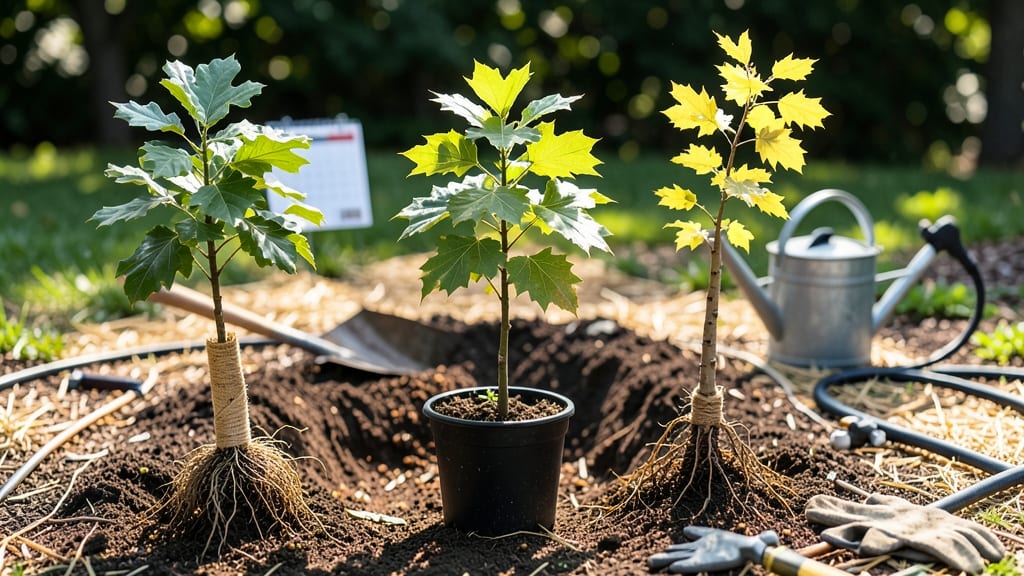
If you’ve ever wondered when is the best time to plant trees in Illinois, only to see your saplings battle through brutal winters or sweltering summers, you’re not alone. The truth is, timing matters more than most gardeners realize—and getting it wrong can mean years of frustration.
The best time to plant trees in Illinois isn’t just about picking a season; it’s about syncing with your hardiness zone, soil conditions, and even the moon’s phases (yes, really).
For Illinois residents in zones 5-6, the ideal windows are early spring (March-April) or fall (October-November), when temperatures are mild and rain is plentiful. But here’s the catch: not all trees thrive on the same schedule.
Deciduous varieties like oaks and maples have different needs than evergreens, and transplanting mature trees requires an entirely different approach. Let’s break down the science behind these timelines so you can plant with confidence.
Why does this matter? Because a tree planted at the right time isn’t just more likely to survive—it grows faster, establishes deeper roots, and becomes a long-term asset to your landscape.
We’ll cover the exact months to avoid, how to prep your soil for maximum root growth, and whether bare-root or container-grown trees give you the edge. Ready to turn your yard into a thriving forest? Let’s get started.
From northern Illinois’ shorter growing seasons to the southern region’s extended springs, we’ll tailor this guide to your specific location. Plus, I’ll share pro tips from local nurseries and the Illinois State Water Survey to ensure your 🌳 tree doesn’t just survive—it thrives. No more guesswork, just results.
Illinois tree planting calendar: best months by hardiness zones 5-6
Illinois spans USDA hardiness zones 5a-6b, where timing is everything for tree survival. Northern Illinois (zones 5a-5b) has earlier frost dates, while southern Illinois (zones 6a-6b) enjoys longer growing seasons.
Both regions benefit from cool-season planting—either early spring (March-April) or fall (October-November)—when soil temperatures hover between 40°F and 60°F for optimal root establishment.
The last average frost date in Illinois typically falls around April 15 in the north and March 30 in the south.
Planting 6-8 weeks before the first frost (usually mid-October) gives roots time to anchor before winter dormancy. Bare-root trees thrive in these windows, while container-grown trees offer more flexibility but still prefer cooler months.
Soil moisture is critical—spring planting risks drought stress if rains are scarce, while fall planting benefits from consistent moisture and cooler air.
Illinois’ average annual rainfall (36-48 inches) supports root growth, but mulching (3-4 inches of organic mulch) retains moisture and regulates soil temperature. Test your soil’s pH (6.0-7.0 ideal) and amend with compost to improve drainage.
🌱 Did You Know? Illinois’ hardiness zones shift slightly yearly. Check the USDA Plant Hardiness Zone Map or Illinois State Water Survey for updates before planting.
| Season | Best Months (Zones 5a-5b) | Best Months (Zones 6a-6b) | Soil Temp | Key Considerations |
|---|---|---|---|---|
| Spring | March 15 - April 30 | March 1 - April 15 | 45°F - 60°F | Risk of late frost; water deeply 2x/week |
| Fall | October 1 - November 15 | October 15 - November 30 | 50°F - 65°F | Cooler temps reduce transplant shock; mulch heavily |
| Avoid | May - September | May - September | Above 70°F | Heat stress; roots can’t establish before dormancy |
Northern Illinois’ shorter growing season demands earlier spring planting (March 15) to avoid late frosts, while southern Illinois can wait until April 1.
For evergreen trees (e.g., pines, spruces), fall planting is ideal—they establish roots before winter and tolerate drier soils better than deciduous trees. Deciduous trees (oaks, maples, fruit trees) prefer spring planting to align with their natural growth cycle.
Rainfall patterns vary: Northern Illinois averages 36 inches/year (drier), while southern Illinois gets 48 inches (wetter). Drought-tolerant species (e.g., bur oak, hackberry) thrive in the north, while moisture-loving trees (e.g., willow, sweetgum) suit southern climates. Always water deeply after planting—10-20 gallons per tree—to encourage root spread.
Mature trees (over 15 feet tall) can be transplanted year-round with ball-and-burlap or container-grown methods, but spring or fall still offers the best success. Bare-root trees must be planted immediately after purchase—never let roots dry out.
For container-grown trees, remove the pot and loosen roots before planting to prevent girdling.
Local nurseries like Starved Rock Gardens (north) or Baker Creek Heirloom Seeds (south) offer Illinois-native trees adapted to your zone. Ask about rootstock quality—healthy roots mean faster establishment and longer lifespan. Pro tip: Stake young trees only if necessary (e.g., windy sites) to avoid root restriction.
After planting, monitor for pests like emerald ash borer (common in Illinois) or Japanese beetles. Neem oil or insecticidal soap can treat
Spring vs. fall planting: which wins for Illinois trees?
Choosing between spring and fall planting in Illinois depends on your tree species and local climate. Both seasons offer advantages, but understanding their trade-offs will help you make the best decision for your landscape.
Spring planting (March-April) gives trees a full growing season to establish roots before winter. However, early spring can bring unpredictable frost, which may stress young trees. Fall planting (October-November) allows roots to grow without competing with summer heat, but planting too late risks winter damage.
Soil temperature is critical—ideal planting occurs when soil is above 40°F but below 85°F. In Illinois, this typically means avoiding summer’s extreme heat and winter’s freezing ground.
🌱 Moisture retention favors fall planting. Cooler temperatures and autumn rains create perfect conditions for root development without evaporation risks. Spring planting requires consistent watering to compensate for drying winds.
📊 Seasonal Planting Ratings
For bare-root trees, fall planting is ideal—they establish roots before dormancy. Container-grown trees, however, can handle spring planting better due to their established root systems. Always check your USDA zone (5a-6b for Illinois) for precise timing.
🌿 Pro tip: Northern Illinois (Zone 5a) should plant in early fall (October) to avoid early frosts, while southern Illinois (Zone 6b) can extend to mid-November. Always water deeply after planting, regardless of season.