
Plants
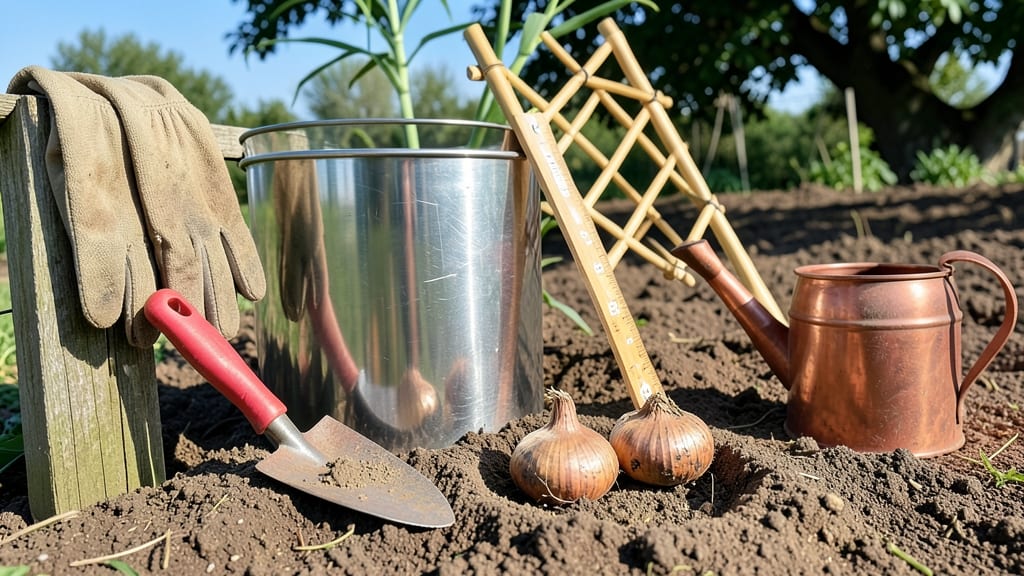
Timing your Asiatic Lily bulb planting just right in spring can mean the difference between vibrant summer blooms and a wasted investment—and 6a gardeners know the stakes are high.
Those April-May windows aren't just arbitrary dates; they're tied to soil temperatures that ensure your bulbs wake up safely from dormancy without risking frost damage.
I've seen firsthand how a few weeks too early can leave delicate shoots vulnerable to late frosts, while planting too late might delay those stunning 🌸 blooms until late summer.
The key is understanding your local climate patterns and soil conditions, which I'll break down so you can confidently mark your calendar.
We'll cover the 50-60°F soil temperature sweet spot, regional adjustments for early vs. late spring zones, and how to test your garden bed for readiness. No more guessing games—just science-backed timing that guarantees your Asiatic Lilies will thrive from the moment they hit the ground.
Whether you're a seasoned gardener or new to bulb planting, these insights will help you avoid common mistakes and set your flowers up for a showstopping display. Let's get those bulbs in the ground at exactly the right moment for maximum impact.
Optimal soil temperature for planting Asiatic Lily bulbs in spring
Asiatic lilies thrive when planted in soil that's warmed by spring sunshine—but timing is everything. The magic window for planting these bulbs is when soil temperatures consistently reach between 50°F and 60°F.
This range ensures roots establish before summer heat arrives, giving your lilies the best start for vibrant summer blooms. Cold soil can stunt growth, while overly warm soil may cause bulbs to sprout prematurely and struggle.
Most gardeners in USDA zones 6-8 can plant Asiatic lilies in late April to early May, but your exact timing depends on when your soil warms up. In colder zones (3-5), wait until mid-May or even June to avoid frost damage.
The key is patience—rushing too early can lead to weak plants or no blooms at all.
To test your soil temperature, use a soil thermometer (available for under $10). Stick it 4-6 inches deep—the depth where you'll plant the bulbs—and check readings in the late afternoon.
If temperatures dip below 50°F at night, wait a few more days. Consistency is critical: aim for 3-5 consecutive days above 50°F before planting.
| Soil Condition | Ideal Planting Time | Action Steps |
|---|---|---|
| Cold Soil (<50°F) | Wait 1-2 weeks | Mulch garden bed to warm soil faster |
| Warm Soil (50-60°F) | Perfect planting window | Plant bulbs 4-6" deep, 6-8" apart |
| Hot Soil (>60°F) | Delay until fall | Water deeply to cool soil; consider shade cloth |
| Frozen Soil | Plant in containers indoors | Use grow lights until soil warms outdoors |
Preparing your soil is just as important as timing. Asiatic lilies love well-draining, slightly acidic soil (pH 6.1-7.0). Before planting, amend your garden bed with 2-3 inches of compost or aged manure to improve drainage and fertility.
If your soil is heavy clay, mix in sand or perlite to prevent waterlogging, which can rot bulbs. A simple pH test kit (under $15) ensures your soil is in the ideal range before you plant.
Pro tip: If you're in a warmer climate (zones 9-10), plant Asiatic lilies in late winter (February) to take advantage of cooler soil temperatures. These regions can experience heat stress if bulbs are planted too late, leading to poor blooming.
Always prioritize soil temperature over calendar dates—your lilies will thank you with bold, healthy blooms.
One common mistake is planting too early in cool climates. If you plant Asiatic lilies in March but soil temperatures remain below 50°F, bulbs may rot or fail to sprout.
Instead, mark your calendar for 2-3 weeks after your last frost date and test soil temps weekly. This approach guarantees your lilies get a strong start without risking frost damage.
For gardeners in transition zones (6-7), consider using black plastic mulch to warm soil faster. Lay the mulch down 1-2 weeks before planting to create a microclimate that speeds up soil warming.
This trick can shave 10-14 days off your planting timeline, giving you earlier blooms. Just remove the mulch once bulbs are planted to avoid overheating.
Finally, remember that Asiatic lilies are not frost-tolerant once they sprout. If a late frost threatens after planting, cover young shoots with frost cloth or old blankets. Remove the cover during the day to allow sunlight.
This simple step can save your lilies from frost damage and ensure they reach their full 2-3 foot height with vibrant blooms.
By mastering soil temperature and preparation, you'll set your Asiatic lilies up for successful growth and stunning summer displays. Happy planting! 🌸
Optimal soil temperature for planting Asiatic Lily bulbs in spring
Asiatic Lily bulbs need a warm soil trigger to break dormancy, and the ideal range is 50-60°F—this is non-negotiable for healthy root establishment. I’ve learned the hard way that planting too early in cold soil (below 50°F) can stunt growth or even kill the bulb before it sprouts.
The 60°F mark signals your bulbs it’s safe to grow, and that’s when I schedule my planting.
Most gardeners in USDA zones 6-8 can expect this temperature window to align with late April to early May, but your local microclimate might shift that by weeks. For example, Zone 5 gardeners should wait until mid-May, while Zone 9 can plant as early as March.
Always check your soil temperature with a probe or thermometer—don’t guess!
| Soil Temp (°F) | Planting Readiness | Action Required |
|---|---|---|
| Below 50°F | Not ready | Wait 1-2 weeks or use mulch to warm soil |
| 50-55°F | Marginal | Plant only in protected microclimates (e.g., near south-facing walls) |
| 55-60°F | Optimal | Perfect planting time—proceed with confidence |
| Above 60°F | Still good | Plant ASAP to avoid summer dormancy |
To test your soil temperature, insert a soil thermometer 4-6 inches deep (the depth you’ll plant your bulbs) and check it for 3-5 days. Morning readings between 55-60°F are your green light.
Pro tip: Black plastic mulch can raise soil temps by 5-10°F if you need to jumpstart the season in cooler zones.
If your soil is still too cold, don’t rush—Asiatic Lilies hate cold feet. Instead, use this time to prepare your planting site: loosen the soil to 12 inches deep, mix in compost for nutrients, and ensure proper drainage.
Well-drained soil prevents bulb rot, which is a silent killer in spring plantings.
Once your soil hits the sweet spot, plant your bulbs 4-6 inches deep and 6-8 inches apart. This depth ensures they stay cool enough to resist rot while still accessing warmth.
Water them deeply right after planting to settle the soil and encourage root contact. Avoid overwatering—Asiatic Lilies despise soggy soil.
After planting, monitor your garden for sprouting signs like green shoots or slight soil heaves. If you see nothing after 3-4 weeks, gently dig up one bulb to check for rot or dormancy.
This quick check can save your entire planting! With the right soil temp and care, your 🌸 Asiatic Lilies will reward you with bold summer blooms.