
Plants
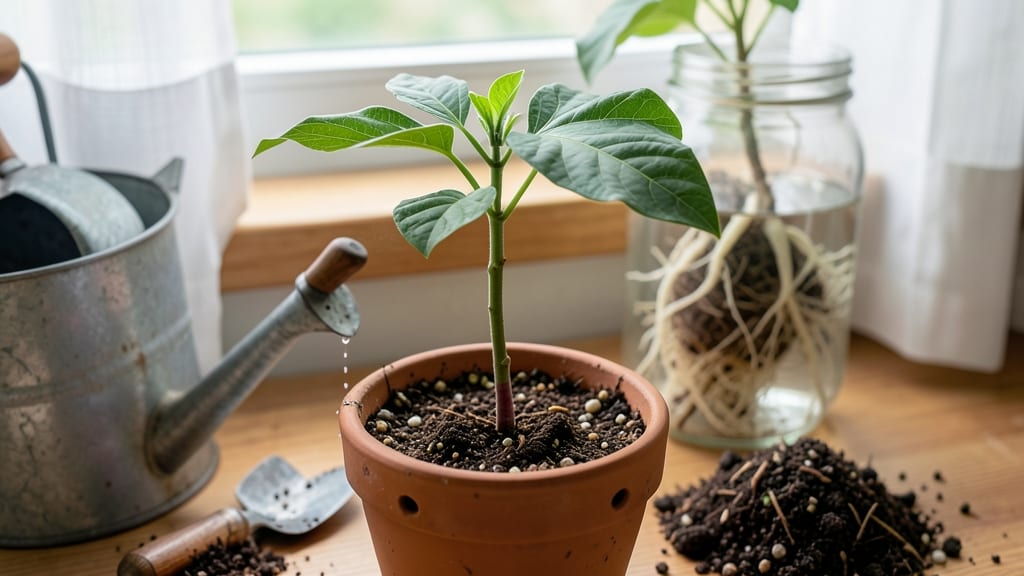
Planting an avocado pit in soil can feel like a gamble—will it sprout, or will it just rot? The truth is, timing makes all the difference between a thriving 🥑 seedling and a failed experiment.
If you're eager to grow your own avocado tree, knowing when to start matters more than you might think. Whether you're keeping it indoors or planning to transplant outdoors, the right conditions—like warm soil and consistent moisture—set the stage for success.
Indoor growers can plant year-round, but outdoor gardeners need to wait for spring warmth. I’ll break down the exact signals to watch for, from root growth to seasonal shifts, so you never plant too soon or too late.
Ready to turn that pit into a plant? Let’s dive into the science-backed timing that actually works, no guesswork required.
Best indoor planting times for avocado pits: year-round vs seasonal considerations
Planting an avocado pit indoors gives you control over the germination process, but timing still matters. Unlike outdoor plants, avocado pits can be started year-round—but success hinges on maintaining consistent warmth and humidity.
I’ve found that spring and summer are ideal because indoor heating/cooling systems are stable, reducing temperature fluctuations that can stall growth.
If you’re planting in winter, use a seedling heat mat (70–80°F) to mimic summer conditions. The key is avoiding cold drafts or dry air from HVAC systems, which can cause the pit to rot before sprouting.
I once tried planting mine in January without extra heat—it took 3 months to sprout, and the roots looked weak.
For optimal results, start your avocado pit in late winter or early spring (February–March). This aligns with natural growth cycles and gives your seedling time to develop a strong root system before potential outdoor transplanting in late spring.
Even if you plant later, a grow light can compensate for shorter daylight hours.
| Season | Best Planting Time | Temperature Needs | Key Tips |
|---|---|---|---|
| Spring | February–April | 70–80°F (21–27°C) | Use natural light; avoid direct sun. |
| Summer | May–July | 75–85°F (24–29°C) | Increase humidity with pebble trays. |
| Fall | September–October | 65–75°F (18–24°C) | Supplement with grow lights if needed. |
| Winter | November–January | 70–75°F (21–24°C) | Use heat mats and humidifiers. |
When planting, always scrub the pit to remove flesh residue, which can attract mold. I like to soak it in hydrogen peroxide (3%) for 10 minutes to sterilize it.
After drying, insert 4 toothpicks evenly around the pit’s middle—this keeps it suspended over water in a jar while allowing roots to grow downward.
The germination window varies widely: some pits sprout in 2–4 weeks, while others take 8–12 weeks. Patience is key! Once roots reach 2–3 inches, it’s safe to transfer the pit to well-draining soil.
I recommend a mix of potting soil, perlite, and sand (50/30/20 ratio) to prevent root rot.
Watch for yellowing leaves or stunted growth—these are signs of overwatering or poor drainage. I learned this the hard way when my first avocado seedling’s leaves curled from too much moisture.
Always let the top 1–2 inches of soil dry out between waterings, and use a terracotta pot to wick away excess water.
If you’re in a cool-climate zone, delay outdoor planting until after the last frost (typically mid-to-late spring). But don’t wait too long—avocado seedlings thrive on warmth, and transplant shock increases if they’re too large. Aim for a 6–8 inch seedling before moving it outside.
Pro tip: Place your avocado jar near a south-facing window or under a grow light for 12–14 hours of light daily. Without enough light, seedlings grow leggy and weak. I use a full-spectrum LED bulb on a timer for consistency, especially in winter months when natural light is scarce.
Remember, avocado trees are slow growers—don’t expect fruit for 5–10 years! But with the right timing and care, your pit could grow into a sturdy indoor tree or even thrive outdoors in USDA zones 9–11. 🌱
Outdoor planting timing: when to transition avocado seedlings from indoor to garden soil
Transitioning your avocado seedling from indoor pots to outdoor soil is a critical step that demands precise timing. The ideal window for outdoor planting depends on your USDA hardiness zone and local last frost date, but generally, aim for spring after all frost risk has passed.
In USDA Zones 9-11, you can plant outdoors as early as February or March, while gardeners in Zones 7-8 should wait until mid-April to May. For colder regions (Zones 5-6), hold off until late May or early June when soil temperatures consistently stay above 60°F (15°C).
Soil temperature is your best indicator—use a soil thermometer to confirm warmth before planting. Avocado seedlings struggle in cold soil, which can stunt root growth or invite fungal diseases. If your area has unpredictable spring weather, consider starting seedlings indoors until mid-May.
Before planting outdoors, harden off your seedling by gradually exposing it to outdoor conditions over 2-4 weeks. Start with 1-2 hours of shade on day one, then increase exposure by 1 hour daily. By the final week, it should handle full sun for 6+ hours.
Choose a sunny, sheltered spot with well-draining soil—avocados hate soggy roots. Amend heavy soil with compost or perlite to improve aeration. Plant at the same depth as the indoor pot, and water deeply to eliminate air pockets around roots.
After transplanting, mulch around the base to retain moisture and regulate soil temperature. Avoid fertilizing for 6-8 weeks to prevent root burn. Monitor for yellowing leaves, which may signal transplant shock or nutrient deficiency.