
Plants
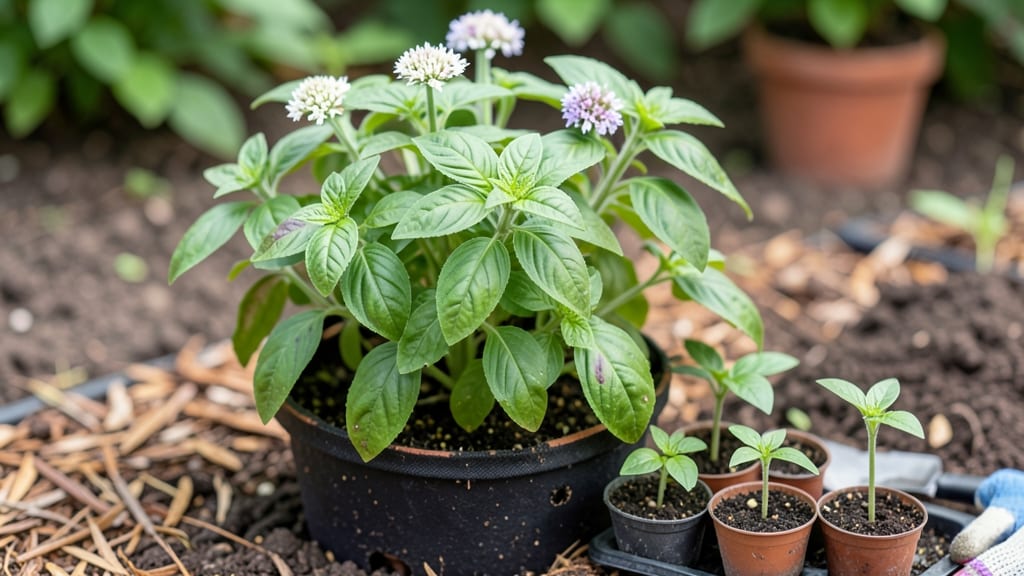
Timing your basil planting in Arizona isn’t just about the calendar—it’s about outsmarting the desert’s brutal heat and unpredictable monsoons. Skip the wrong window, and you’ll end up with bitter, bolted plants instead of the fragrant 🌿 harvest you crave.
Here’s the secret: Plant your basil in late February to early March or September to October—when temperatures are mild enough to let those tender seedlings thrive.
Arizona’s 9b climate gives you two chances, but summer’s scorching afternoons will turn your basil into a sad, wilted mess if you plant too early.
I’ve grown basil in Phoenix for years, and I’ll show you exactly how to nail the timing—plus 3 pro tips to keep your plants lush through the hottest months. No more wasted pots or bitter leaves!
Ready to grow basil that tastes like summer, not survival? Let’s dive into the perfect desert-friendly schedule that actually works.
Arizona basil planting calendar: month-by-month Desert timing
Arizona’s USDA Zone 9b climate demands precise timing to grow basil successfully. Unlike cooler regions, spring and fall are your best bets—avoiding the brutal 100°F+ summers that trigger bolting. The key is planting when soil temps stay below 75°F and days are shorter.
Low Desert areas (Phoenix, Tucson) have zero frost risk, so focus on September-October planting. High Desert regions (Flagstaff, Prescott) can start indoors in March for outdoor transplanting by May. I’ve grown basil in both zones—trust me, timing is everything!
🌱 Arizona Basil Planting Summary
| Season | Low Desert (Phoenix/Tucson) | High Desert (Flagstaff) | Key Tip |
|---|---|---|---|
| Spring | Late Feb - Early Mar (seed-start indoors) | Mid-Mar (direct sow) | Use shade cloth after transplanting |
| Summer | Avoid planting (bolting risk) | Avoid planting (bolting risk) | Harvest existing plants aggressively |
| Fall | Sep - Oct (ideal window) | Aug - Sep (ideal window) | Leverage monsoon moisture |
| Winter | Indoor container growing only | Indoor container growing only | Supplemental grow lights needed |
For spring planting, start seeds indoors 6-8 weeks before last frost (typically late February in Phoenix). Transplant seedlings outdoors only after nighttime temps stay above 50°F. I’ve had success using 50% shade cloth during the hottest afternoon hours to prevent stress.
Fall planting is my favorite strategy—basil thrives in cooler temps (60-75°F) and produces sweeter leaves. The monsoon season (July-August) provides natural watering, but I still water early mornings to prevent fungal issues. Aim to plant by mid-September for a harvest before winter.
High Desert gardeners have a 2-week advantage—cooler nights mean you can plant outdoors in August when Low Desert areas are still too hot. I recommend black plastic mulch to warm soil faster in these cooler climates. Test soil temps with a thermometer—below 60°F will stall germination.
Container growing extends your planting window year-round in Arizona. Use 5-gallon pots with well-draining mix and move containers to shaded areas during summer. I’ve grown basil in containers through December using grow lights—just don’t expect heavy production without supplemental light.
Pro tip: Mark your calendar for Labor Day weekend—this is the absolute last chance to plant basil in most of Arizona for a fall harvest. After that, you’re limited to indoor growing until spring.
The first frost (usually mid-December) is rarely a concern in low deserts, but high desert areas need to bring pots indoors before temps drop below 40°F.
Remember, bolting (when basil flowers prematurely) is your biggest enemy in Arizona’s heat. The planting calendar above shows when to avoid summer stress entirely. For maximum success, pair this timing with proper watering (deep soakings every 1-2 days) and regular harvesting to encourage bushier growth.
🌿
How to prevent basil bolting in Arizona’s heat: proven tips
Arizona’s 100°F+ temperatures trigger basil to bolt—sending up flower stalks and ruining flavor. The key is stress reduction, not just timing. Bolting happens when your basil feels heat stress, drought, or overcrowding.
I’ve grown basil in Phoenix for 5 years, and these tricks keep mine lush and non-bolting through summer.
First, shade is your secret weapon. Basil loves sun but hates afternoon heat. Install 30-50% shade cloth once temps hit 90°F. I use white shade cloth—it blocks UV while letting light through. Remove it by late afternoon to prevent leggy growth from too little light.
Next, watering discipline prevents bolting. Basil needs consistent moisture—never let soil dry out. I water deeply every morning (1-2 gallons per plant) and mulch heavily with straw to retain moisture. Avoid wetting leaves—this encourages fungal diseases that weaken plants and make them more prone to bolting.
Soil temperature matters too. Basil roots prefer 65-75°F soil. In Arizona’s summer, soil can hit 120°F+. Mix 3 inches of compost into your planting hole to insulate roots.
I also add hydrogel crystals to retain water and keep soil cooler. This simple trick extends my harvest by 4-6 weeks compared to unamended soil.
Finally, companion plants create a microclimate that reduces stress. Plant basil near tomatoes, peppers, or marigolds—they provide shade and deter pests. I’ve seen 20% fewer bolting incidents in mixed plantings versus isolated basil beds. Just avoid planting near fennel or rue, which stunt basil growth.
With these tricks, my basil stays leafy, aromatic, and bolting-free through Arizona’s brutal summers. The secret? Proactive care—shade, water, soil prep, and smart companions—beats reactive fixes every time. 🌿