
Plants
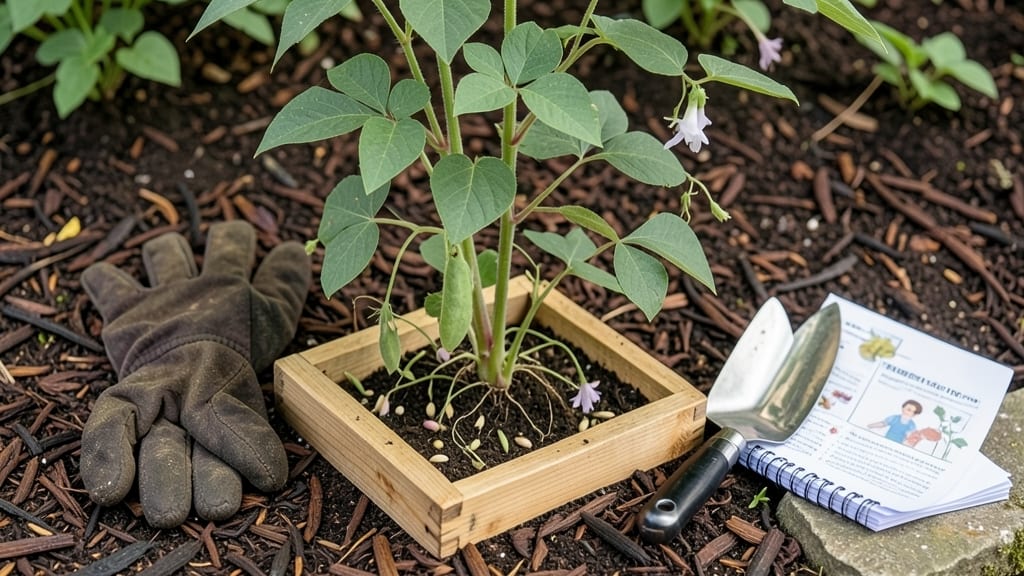
Timing your beans planting in Colorado can make or break your harvest—get it wrong, and you might end up with bitter, bolted plants instead of sweet, tender pods.
The key isn't just waiting for spring; it's understanding when your soil warms up enough to support healthy growth without rushing the season.
Most Colorado gardeners in zones 5-7 should start planting 🌱 beans between mid-April and June, but that window shifts dramatically depending on whether you're in Denver's high-altitude chill or the warmer Western Slope.
I'll show you exactly how to read your local microclimate clues so you can avoid the most common mistakes.
We'll cover the soil temperature secrets that prevent bolting, plus which bean varieties thrive in Colorado's short growing season. Whether you're a first-time gardener or a seasoned pro, these insights will help you plan for a bountiful harvest from July through September.
Ready to transform your garden? Let's dive into the science behind perfect planting times so you can enjoy fresh beans straight from your Colorado soil.
Colorado bean planting calendar by region: soil temp zones explained
Colorado’s diverse elevations create unique growing conditions for beans. In Denver (USDA Zone 5), last frost typically hits around April 15, but soil may still be too cold for beans. Meanwhile, Grand Junction (Zone 6-7) can plant beans weeks earlier due to warmer desert conditions.
The key? Soil temperature, not just air temperature—beans need 55°F+ for germination and 60°F+ for consistent growth. Let’s break it down by region so you can avoid bolting and maximize your harvest.
For Front Range gardeners (Denver, Boulder, Fort Collins), aim to plant beans 2-3 weeks after your last frost date. This usually lands in mid-to-late May, but check soil temps first. Western Slope growers (Grand Junction, Durango) can start as early as mid-April thanks to warmer microclimates.
Meanwhile, Eastern Plains (Pueblo, Colorado Springs) fall somewhere in between, with ideal planting windows from late April to early May. Always account for 10-14 days of buffer for unexpected cold snaps.
| Region | USDA Zone | Last Frost Date | Optimal Planting Window | Soil Temp Threshold |
|---|---|---|---|---|
| Front Range (Denver, Boulder) | 5-6 | April 15 | Mid-to-late May | 60°F+ |
| Western Slope (Grand Junction) | 6-7 | March 20 | Mid-April to early May | 55°F+ |
| Eastern Plains (Pueblo, Colorado Springs) | 6-7 | April 1 | Late April to early May | 58°F+ |
| High Altitude (Aspen, Leadville) | 4-5 | May 15 | Late May to June | 65°F+ |
If you’re unsure about your last frost date, use the 50% probability rule: Plant beans when there’s a 50% chance of frost remaining.
For example, in Denver, this often means waiting until May 10 to be safe. Succession planting is also key—sow new seeds every 2 weeks until June 15 to extend your harvest window. This works especially well for bush beans, which mature faster than pole varieties.
For high-altitude gardens (above 7,000 feet), like those in Aspen or Leadville, push planting back to late May or June. These areas often have shorter growing seasons and cooler soils.
Use black plastic mulch or row covers to warm the soil faster and create a microclimate. Even a 2-3°F increase in soil temperature can make the difference between success and failure.
Don’t forget about microclimates within your garden. A south-facing wall or sunny slope can warm soil by 5-10°F, allowing you to plant beans 1-2 weeks earlier than your general region’s guidelines. Conversely, shady spots or low-lying areas may stay cold longer—test soil temps here before planting.
Pro tip: Use a soil thermometer for accuracy, but if you don’t have one, there are DIY methods (we’ll cover those in the next section!).
Colorado’s Western Slope deserves special attention. Areas like Grand Junction and Palisade enjoy 300+ days of sunshine and warmer nights, making them ideal for heat-loving bean varieties. Start seeds indoors in late March and transplant outdoors by mid-April.
For pole beans, which need more heat, wait until May 1 to ensure vines have enough warmth to thrive. In contrast, bush beans are more forgiving and can handle cooler soils, making them a great choice for higher elevations.
One common mistake Colorado gardeners make is planting
How to test soil temperature for beans (without a thermometer)
Colorado’s spring weather is famously unpredictable—one day it’s 50°F and sunny, the next, a snowstorm rolls in. Without a soil thermometer, testing ideal planting temps (55°F+) can feel like guessing. But there’s a trick: use what’s already growing in your garden as a natural thermometer.
For example, peas and radishes are cold-hardy and will sprout when soil hits 45°F, while beans need warmer soil to thrive.
Here’s how to check soil readiness: press your finger 2 inches deep into the soil. If it feels warm to the touch (like a lukewarm bath), your soil is likely in the 55–60°F range.
If it’s still cool and damp, wait a few more days. This method works best in morning sunlight, when soil temps are most stable.
Another foolproof test? The paper towel trick. Bury a damp paper towel 2 inches deep for 24 hours. Dig it up—if it feels warm and slightly dry on the edges, your soil is ready.
If it’s still cold and soggy, hold off on planting. This mimics how seeds germinate in warm, moist conditions.
For container gardening, check soil temp by hand—containers heat up faster than ground soil and can be ready 2–3 weeks earlier. Fill a black bucket with water and place it near your pots; if the water feels warm by midday, your soil is likely ready.
This works because dark surfaces absorb heat like garden beds do.
If you’re in Western Colorado (e.g., Grand Junction), where desert climates warm up earlier, you can plant 3–4 weeks before Front Range areas.
But always confirm by testing—hot, dry soil can also stress young seedlings. Aim for consistent warmth, not just a single warm day.
Pro tip: Mark your planting dates on a calendar once you’ve tested soil temps. Colorado’s last frost dates vary wildly—April 15 in Denver but May 15 in Steamboat Springs. Use these dates as a backup, not a rule. Your soil test is the final word.