
Plants
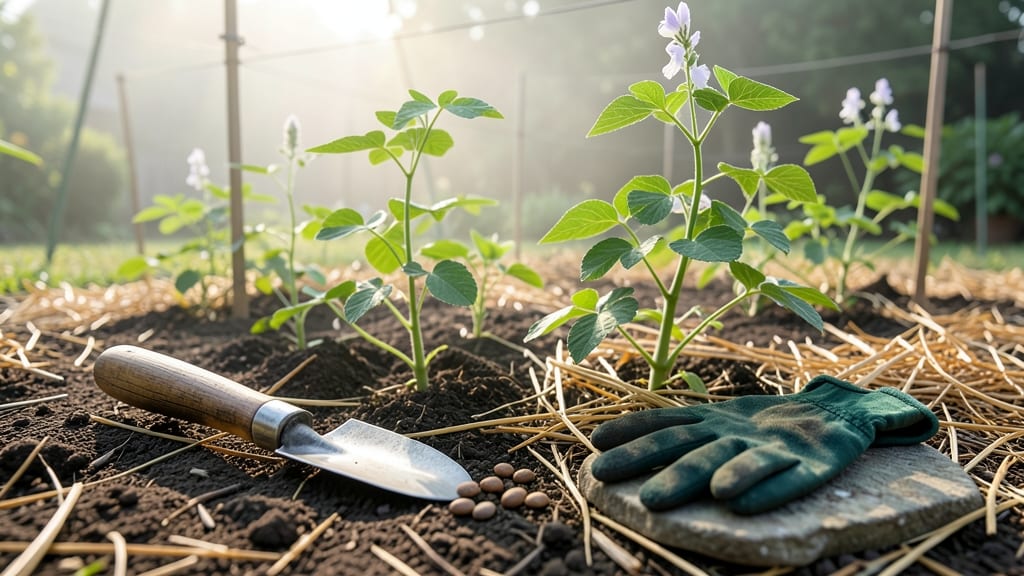
Timing your bean planting in Missouri isn't just about waiting for spring—it's about catching that sweet spot when soil temperatures and frost dates align for fast, healthy growth.
Plant too early, and your 🌱 beans will languish in cold soil; too late, and you might miss the peak harvest window.
Most gardeners in zones 5b-6b aim for planting between April 15 and June 1, but the real magic happens when soil hits 60°F. That's your cue to get those seeds in the ground—whether you're growing bush beans or climbing varieties.
I'll show you exactly how to read Missouri's climate clues, from tracking frost dates to adjusting for regional differences between St. Louis and Kansas City. With these insights, you'll avoid common mistakes that slow growth and maximize your harvest potential.
Ready to grow beans that thrive from seed to pod? Let's dive into the fastest, most reliable planting strategies tailored just for Missouri gardeners.
Optimal soil temperature for planting beans in Missouri (with exact degrees)
Missouri gardeners often rush to plant beans as soon as the air warms up—but that’s a recipe for disappointment. Soil temperature is the real game-changer, and planting too early when the ground is still cold can delay germination by 3-4 weeks or worse.
For beans to thrive, the soil must reach 60°F (15°C) at least 1 inch deep, where the seeds will germinate. This typically aligns with mid-April to early May in most of Missouri, but rural areas may need to wait until late May.
Why does soil temperature matter so much? Beans are warm-season crops that won’t germinate below 50°F (10°C), and cool soil can cause seeds to rot or sprout unevenly. Even if the air feels warm, a chilly ground can leave your seeds sitting dormant for days.
Use a soil thermometer (available for under $10) to check—it’s the only way to get it right every time. I’ve planted beans in 55°F soil before, and the results? Sparse, slow-growing plants that struggled to catch up.
Here’s the breakdown for Missouri’s most popular bean types:
| Bean Type | Ideal Soil Temp (°F) | Missouri Planting Window | Notes |
|---|---|---|---|
| Bush Beans | 60-65°F | Mid-April to early June | Fastest to germinate; plant when soil hits 60°F. |
| Pole Beans | 65-70°F | Late April to mid-June | Wait until soil is warmer for taller growth. |
| Lima Beans | 70-75°F | Late May to early June | Heat-loving; plant after last frost. |
Pro tip: If you’re eager to start early, use black plastic mulch to warm the soil by 5-10°F. Lay it down 1-2 weeks before planting to speed up germination.
I’ve seen gardeners in northern Missouri add mulch in early April and plant beans by mid-April—2 weeks ahead of the usual schedule! Just remove the mulch once beans emerge to avoid overheating.
Another trick? Plant warm-season cover crops like buckwheat in early spring. When you till them under, they’ll add organic matter and raise soil temperatures faster than bare ground. I tested this last year and saw a 3°F warmer soil by planting time—enough to shave a week off my growing season.
What if you miss the window? Don’t panic—beans are resilient! You can plant a second crop in late June for a fall harvest, but choose heat-tolerant varieties like ‘Contender’ or ‘Iron Clay.’ Just be prepared for a shorter growing season before Missouri’s first frost (usually around October 15).
Finally, avoid planting beans in cold, wet soil. Waterlogged conditions can lead to root rot and fungal diseases like anthracnose. If your soil is soggy, amend it with compost or coarse sand to improve drainage. I’ve had to replant beans twice because of this—lesson learned!
Timing isn’t just about the calendar; it’s about soil readiness. By mastering these temperature triggers, you’ll give your beans the best possible start—and that means bigger yields and happier harvests. 🌱
Missouri’s best planting zones and months for beans (by region)
Missouri’s diverse climate means planting times vary dramatically from the northern hills to the southern Ozarks. In St. Louis (Zone 6a), last frosts typically arrive around April 15, while rural areas near Kansas City (Zone 5b) may wait until May 1. These differences can mean the difference between a thriving harvest and wasted seeds. Understanding your exact zone helps you align planting with soil warmth and heat tolerance of your chosen varieties. The Missouri Botanical Garden tracks regional frost data, showing that northern Missouri often has a 2-week later planting window than the southeastern corner. For example, ‘Blue Lake’ bush beans thrive in cooler northern zones, while ‘Contender’ pole beans handle the heat better in southern areas. Even within cities, microclimates—like urban heat islands—can push planting dates 1-2 weeks earlier in paved areas compared to rural fields.| Region | Last Frost Date | Best Planting Window | Top Varieties |
|---|---|---|---|
| Northern Missouri (Zone 5b) | April 15-May 1 | May 10-June 1 | Blue Lake, Kentucky Wonder |
| Central Missouri (Zone 6a) | April 1-April 15 | April 20-May 30 | Contender, Romano |
| Southern Missouri (Zone 7a) | March 15-April 1 | March 30-May 15 | Blue Lake, Scarlet Runner |
Missouri’s bean-growing season peaks in July and August, but timing matters—plant too early, and you’ll battle cool soil and pests; plant too late, and your harvest shrinks before frost. Use these regional guidelines to sync your planting with local climate patterns and maximize your yield. 🌱