
Plants
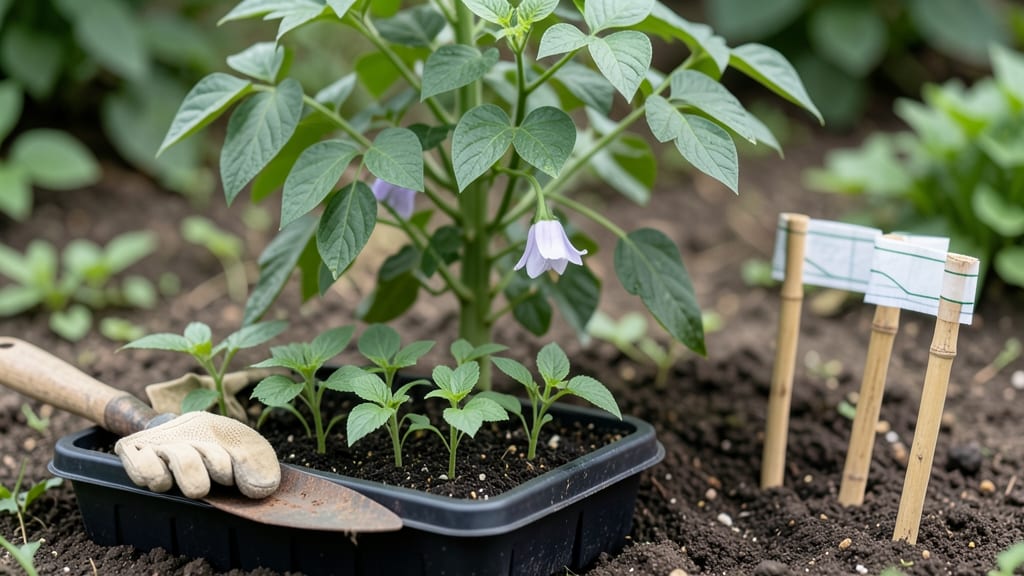
Timing your beans 🌱 planting in Maine isn't just about the calendar—it's about beating frost and giving these heat-loving plants the perfect start.
With USDA Zone 5b-6a conditions, waiting until after the last frost (usually mid-May) ensures your soil stays warm enough for germination, but planting too late can cut your harvest short.
Most gardeners in Maine swear by the mid-May to early June window, but the right variety makes all the difference.
Pole beans, bush beans, and heirloom types all have their own ideal planting times, and getting them wrong can mean the difference between a lush harvest and a sad, stunted crop.
I’ll break down exactly when to plant each type—plus soil temperature tricks and frost-proofing tips—to help you avoid common mistakes. Whether you're a first-time gardener or a seasoned green thumb, these insights will help you maximize your yield from July through September.
Ready to grow beans that thrive? Let’s dive into the frost-free timeline that works for Maine’s unpredictable climate, so you can enjoy fresh, homegrown beans all summer long.
Maine’s frost-free planting zones for beans by variety type
Maine’s cool climate and short growing season demand precise timing for planting beans. The last frost date typically falls between mid-May and early June, but coastal areas like Portland may see frost a week earlier than inland regions. Understanding these variations ensures your beans thrive—not just survive.
For pole beans and bush beans, soil temperature matters more than air temperature. These warm-season crops need soil at at least 60°F to germinate properly.
In USDA Zones 4-5 (most of Maine), this usually aligns with late May to early June, but cooler inland areas may need to wait until June.
Heirloom varieties, especially those with longer maturity dates, benefit from early starts. However, planting too soon risks frost damage. The 14-day average for frost-free conditions in Maine’s growing zones is your best guide—use local almanac data or extension office reports for precision.
Here’s a breakdown of planting windows tailored to Maine’s microclimates, including soil temperature thresholds and variety-specific recommendations:
| Variety Type | Planting Window | Soil Temp Threshold | Coastal Adjustment | Inland Adjustment |
|---|---|---|---|---|
| Pole Beans | Late May–Early June | 60°F+ | 1 week earlier | 1 week later |
| Bush Beans | Early June–Mid-June | 65°F+ | Same as pole beans | Mid-June |
| Heirloom Varieties | Late May–Early June | 60°F+ | 1 week earlier | Early June |
| Late-Season Varieties | Early July | 60°F+ | N/A | Mid-July |
Pole beans, like Kentucky Wonder or Rattlesnake, can handle Maine’s cooler soils better than bush varieties. Their vining habit also allows them to capture more sunlight, giving them an edge in USDA Zone 5 areas.
For bush beans, opt for early-maturing varieties like Blue Lake or Contender to avoid late-season frost risks.
Heirloom varieties, such as Jacob’s Cattle or Romano, often have longer maturity dates. Plant these in late May if your soil warms quickly, but monitor weather forecasts. A sudden cold snap can set back germination by weeks, so have a row cover ready to protect seedlings.
Inland Maine, particularly in areas like Presque Isle or Bangor, experiences cooler soils due to shorter growing seasons. If your soil hasn’t reached 60°F by early June, consider using black plastic mulch to warm the soil faster. This trick can shave off 1-2 weeks from your planting timeline.
For coastal gardeners in Portland or Bar Harbor, the ocean’s moderating influence means slightly earlier planting. However, coastal soils can also be sandy and dry, so amend with compost to retain moisture.
Aim to plant pole beans by late May and bush beans by early June to align with the longer daylight hours of summer.
Pro tip: Use a soil thermometer to check temperatures before planting. If your soil is still below 60°F in early June, wait another week—your beans will thank you with faster germination and stronger stems.
Maine’s frost-free planting zones for beans by variety type
Maine’s USDA Zones 5b-6a bring unique challenges for growing beans, especially since they thrive in warm soil (60°F+). The average last frost date is mid-May, but coastal areas (like Portland or Bar Harbor) may see frost later due to ocean influence.
Inland regions (such as Auburn or Bangor) often warm up faster, giving you a 2-3 week head start compared to coastal zones.
For pole beans (like 'Kentucky Wonder' or 'Rattlesnake'), aim for planting 2 weeks after your last frost date—typically early to mid-June. These varieties need a longer growing season (80-90 days) to produce pods, so timing is critical.
Meanwhile, bush beans (such as 'Blue Lake' or 'Provider') mature faster (50-60 days) and can handle slightly cooler soils, making them ideal for late May plantings.
Heirloom varieties, like 'Jacob's Cattle' or 'Romano', often fall in between—plant them 1-2 weeks after bush beans to ensure they have enough time to mature before Maine’s first frost in mid-October.
Always check your local Maine State Climate Office for frost predictions, as 2024’s early frost or late spring can shift your timeline by weeks.
🌱 Maine Bean Planting Timeline by Variety
| Variety Type | Planting Window | Soil Temp Requirement | Days to Harvest | Maine-Specific Tip |
|---|---|---|---|---|
| Pole Beans | Early to mid-June | 60°F+ | 80-90 days | Use row covers for early starts |
| Bush Beans | Late May | 55°F+ | 50-60 days | Best for succession planting |
| Heirloom Beans | Mid-June | 60°F+ | 70-80 days | Choose cold-tolerant varieties |
🌡️ Pro Tip: Use a soil thermometer to confirm warmth before planting—cool soils delay germination.
If you’re in Zone 5b (northern Maine), opt for early-maturing varieties like 'Blue Lake' or 'Contender' to avoid frost. In Zone 6a (southern Maine), you can push the envelope with late June plantings of heat-tolerant types like 'Black Valentine' or 'Scarlet Runner'.
Always test your soil pH (6.0-7.0 ideal)—Maine’s acidic soils can stunt bean growth if unamended.
For coastal gardeners, watch for late May fog, which can delay soil warming.
Inland gardeners should take advantage of warmer microclimates near blackberry patches or south-facing fences. Succession planting every 2 weeks after your initial planting ensures a steady harvest through September, even in Maine’s short growing season.
Don’t forget to harden off seedlings if starting indoors—Maine’s windy springs can shock tender young plants. Acclimate them for 5-7 days before transplanting to avoid stress. With the right timing, you’ll enjoy fresh beans from July to September, even in Maine’s cool climate.