
Plants
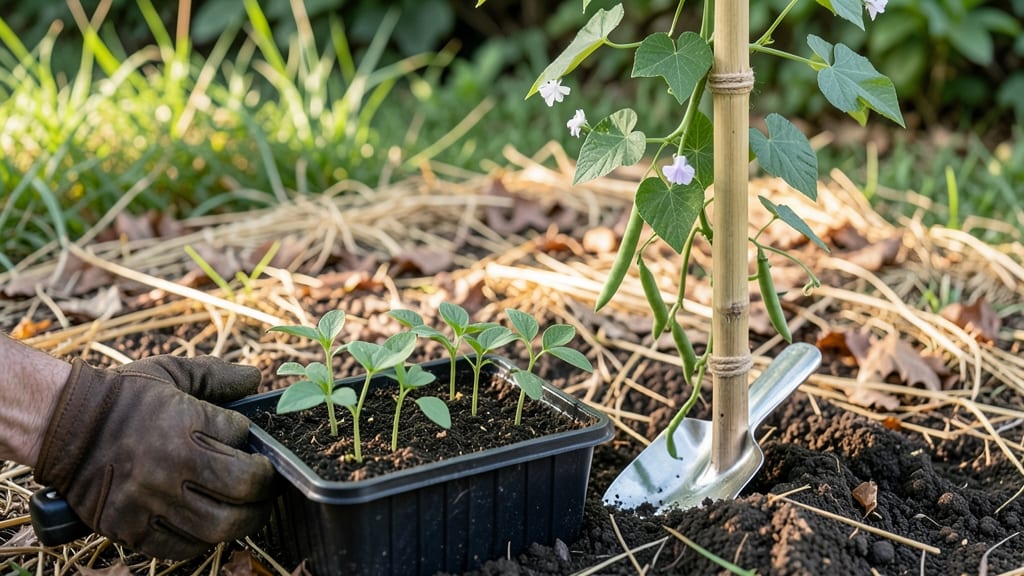
Knowing exactly when to plant beans in Zone 5 can transform your garden from a gamble to a guaranteed harvest. With the right timing, you'll enjoy fresh, crisp pods from July through September—no more empty vines or wasted seeds.
In Zone 5, where last frost typically hits around mid-May, the window for planting beans is narrow but critical.
Whether you're growing bush beans that mature in 50 days or pole beans that climb for 70 days, waiting until the soil warms to at least 60°F makes all the difference.
I’ve learned the hard way that planting too early—before the frost danger has passed—leads to stunted growth or worse, lost plants. But with the right schedule, you’ll avoid these mistakes and set your beans up for success from day one.
Ready to master the perfect planting window? Let’s break down the exact weeks before last frost for both bush and pole varieties, plus pro tips to extend your harvest season.
Zone 5 bean planting schedule: exact weeks before last frost for bush and pole varieties
In Zone 5, beans thrive when planted after the last frost date, which typically falls around mid-May. However, the exact timing depends on whether you're growing bush beans or pole beans, as their maturity rates differ.
For both varieties, soil temperatures must reach at least 60°F (15°C) for successful germination. This usually aligns with 2-3 weeks after the last frost, giving you a clear window to act.
Bush beans, with their 50-60 day maturity, can handle slightly earlier planting compared to pole beans, which take 60-70 days to produce. My rule of thumb? Aim to plant bush beans 1-2 weeks before pole beans to stagger your harvest.
This ensures you're not overwhelmed with pods all at once while maximizing your garden's productivity.
Let’s break down the ideal planting schedule for both types. Understanding these timelines helps you avoid common pitfalls like planting too early (risking frost damage) or waiting too long (shortening the growing season).
The key is balancing frost risk with soil warmth—beans won’t germinate in cold soil, no matter how eager you are to start!
| Variety | Planting Window (Zone 5) | Soil Temperature Requirement | Days to Maturity | Harvest Window |
|---|---|---|---|---|
| Bush Beans | Late April to early May (1-2 weeks before pole beans) | 60°F (15°C) minimum | 50-60 days | July to early August |
| Pole Beans | Early to mid-May (after soil warms) | 60°F (15°C) minimum | 60-70 days | Late July to September |
For bush beans, I recommend starting seeds indoors 2-3 weeks before the last frost if your growing season is short. This gives you a head start and ensures your plants are ready to hit the ground running once temperatures rise.
Harden off seedlings for 7-10 days before transplanting them into the garden, spacing them 4-6 inches apart in rows that are 18-24 inches apart.
Pole beans, on the other hand, benefit from being planted directly into the soil after the last frost. They’re more forgiving if planted a bit later because their vines can continue growing for a longer period.
However, don’t wait too long—aim to plant them by mid-May to ensure they mature before the first frost in mid-October. Use trellises or stakes to support their growth, which saves space and improves airflow, reducing the risk of diseases like bean rust.
One of my favorite tricks for Zone 5 gardeners is to use black plastic mulch to warm the soil faster. This can shave off 1-2 weeks from your planting timeline, giving you an earlier start.
Simply lay down the mulch a few days before planting and create small slits in the plastic to drop seeds directly into the warm soil below. This method also suppresses weeds and retains moisture, making your job easier all season long.
If you’re unsure about your exact last frost date, check your local USDA Plant Hardiness Zone Map or use a frost calendar from your state’s agricultural extension office.
For most of Zone 5, this falls between April 25 and May 15, but microclimates—like urban areas or valleys—can shift this by a week or more.
Always err on the side of caution and wait until the soil is warm enough, even if it means delaying planting by a few days.
Finally, don’t forget that beans are nitrogen-fixing plants, meaning they improve soil health as they grow. After harvesting, consider leaving the plants in place or chopping them down to add organic matter back into the soil.
This practice enriches your garden naturally for future plantings, making your bean-growing efforts even more rewarding in the long run.
Zone 5 bean planting schedule: exact weeks before last frost for bush and pole varieties
In Zone 5, timing your bean planting is critical—beans are warm-season crops that won’t tolerate frost. The average last frost date falls around mid-May, but your exact window depends on microclimates.
For bush beans, aim to plant 1-2 weeks after your last frost date, while pole beans need slightly more warmth and should go in 2-3 weeks after.
Soil temperature is just as important as air temperature. Beans thrive when soil reaches 60°F (15°C)—use a soil thermometer to confirm. In cooler Zone 5 springs, this could delay planting until late May.
If you’re eager to start earlier, consider cold frames or row covers to protect young seedlings from unexpected chills.
Here’s a quick comparison to help you plan:
| Variety | Planting Window (After Last Frost) | Soil Temp Requirement | Days to Harvest |
|---|---|---|---|
| Bush Beans | 1-2 weeks after last frost (late May) | 60°F (15°C) | 50-60 days |
| Pole Beans | 2-3 weeks after last frost (early June) | 65°F (18°C) | 60-70 days |
For a continuous harvest, consider planting bush beans in two successions: the first batch in late May and a second in early June.
Pole beans, which take longer to mature, benefit from a single planting in early June to ensure they have enough time to produce before fall frosts arrive in mid-October.
If you’re in a cooler microclimate within Zone 5, like a northern or high-elevation area, push planting back to early June to avoid frost damage. Conversely, if you’re in a warmer microclimate, like a sheltered south-facing slope, you might safely plant bush beans in late May.
Pro tip: Mark your calendar for July 4th weekend—this is a great reminder to start your second succession of bush beans or extend the season with fall varieties like ‘Provider’ or ‘Kentucky Wonder’, which can handle cooler temperatures better than most.
Always remember: Beans hate cold soil. If you plant too early and hit a late frost, your seeds may rot. When in doubt, wait for that 60°F soil and watch your beans thrive! 🌱