
Plants
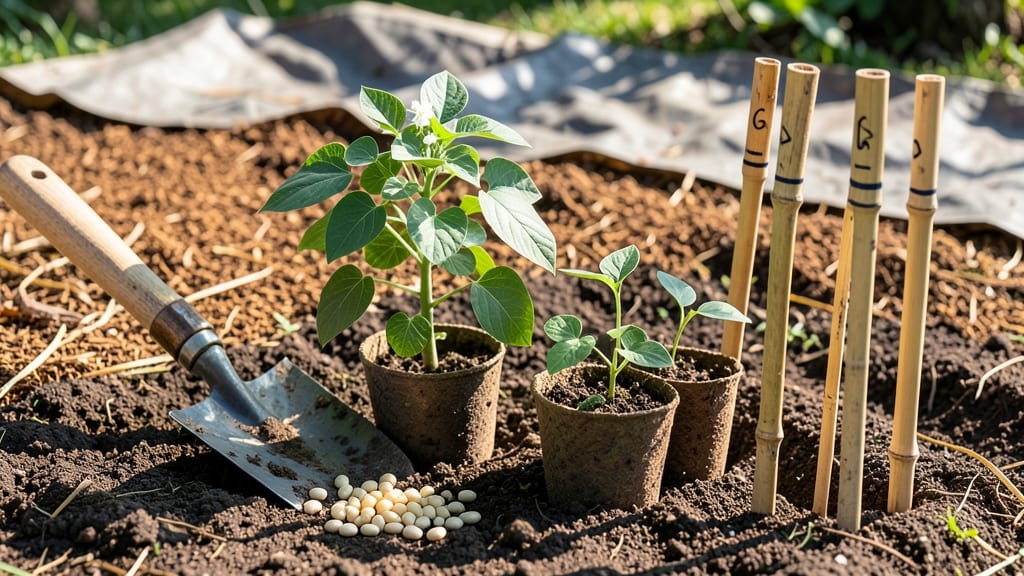
If you’ve ever planted beans too early and lost them to frost—or waited too long and missed your summer harvest—you know timing is everything in Zone 6.
The right moment to sow these 🌱 legumes isn’t just about avoiding cold snaps; it’s about aligning with soil warmth, frost-free windows, and even your bean variety’s heat tolerance.
For most gardeners in Zone 6 (like me!), the sweet spot falls between mid-April and early June, after the last frost date—typically around April 15. But here’s the catch: not all beans thrive under the same conditions.
Pole beans, for example, love the heat and can handle later plantings, while bush varieties prefer cooler spring soil.
What if you want a longer harvest? I’ll show you how to stretch your season with succession planting and cold-hardy picks, plus the exact soil temps to watch for. Let’s turn your bean dreams into a reliable, bountiful harvest—no guesswork required.
Ready to skip the trial-and-error? Stick around to learn the science-backed schedule that’ll have your beans growing strong from seed to pod, no matter where you are in Zone 6a-6b.
Zone 6 bean planting calendar: exact weeks before last frost for best results
In Zone 6, beans demand precise timing—plant too early and frost will kill delicate seedlings, while late planting risks missing the summer harvest window. The key is understanding your last frost date (typically mid-April) and soil temperature thresholds.
Most bush beans and pole beans thrive when soil reaches 60°F (15°C), usually 2-3 weeks after last frost.
For heirloom varieties like Kentucky Wonder, aim for early May planting, while heat-tolerant varieties (e.g., Provider) can handle June sowings. Regional variations exist—Chicago’s cooler springs may delay planting until late May, while Raleigh’s warmer climate allows April starts.
🌱
| Planting Window | Soil Temp Threshold | Bean Type | Harvest Time |
|---|---|---|---|
| Late April - Early May | 60°F (15°C) | Bush Beans (e.g., Blue Lake) | July - August |
| Early May - Late May | 65°F (18°C) | Pole Beans (e.g., Kentucky Wonder) | August - September |
| June (Heat-Tolerant) | 70°F (21°C) | Heirloom Varieties (e.g., Provider) | September |
| Late May (Succession) | 60°F (15°C) | All Types (Staggered) | July - October |
Use a soil thermometer to confirm readiness—beans won’t germinate below 50°F (10°C). In Zone 6a (colder microclimates), wait until May 1 to avoid frost risk. For Zone 6b, April 20 is often safe, but monitor local forecasts for late frosts.
Pro tip: Plant pole beans first—they mature slower and provide shade for later bush bean plantings. This succession strategy extends your harvest by 4-6 weeks.
🌿
If you’re in a cooler pocket of Zone 6 (e.g., higher elevations), consider black plastic mulch to warm soil faster. This technique can shave 7-10 days off your planting timeline. Always test soil pH (6.0-7.0)—beans hate alkaline conditions.
For container gardening, use 5-gallon pots and plant 2-3 weeks later than in-ground beans, as containers cool faster. Place pots in full sun and water consistently to prevent soil temperature swings.
💧
Remember: beans are short-season crops—most varieties need 50-60 days to maturity. Plan your last planting 8-10 weeks before first frost (typically early August in Zone 6) to ensure a full harvest before cold sets in.
How to extend your bean harvest in Zone 6: succession planting and cold-tolerant varieties
Zone 6’s short growing season doesn’t mean you have to miss out on a long bean harvest. By using succession planting and cold-tolerant varieties, you can stretch your harvest from early summer to late fall.
The key is timing—planting in 2-3 week intervals ensures a steady supply of fresh beans while keeping your garden productive.
Start with cold-hardy varieties like ‘Provider’ or ‘Kentucky Wonder,’ which can handle cooler soils. These varieties tolerate temperatures down to 45°F (7°C), giving you a head start before the heat of summer arrives.
For heat-tolerant varieties like ‘Blue Lake’ or ‘Roma’, wait until late May or early June when soil temperatures consistently stay above 60°F (15°C).
Here’s how to maximize your harvest with a succession planting schedule tailored to Zone 6’s climate:
| Planting Window | Variety Type | Harvest Time | Notes |
|---|---|---|---|
| Late April - Early May | Cold-Tolerant (e.g., Provider, Kentucky Wonder) | June - July | Early harvest; use row covers for frost protection. |
| Mid-May | Heat-Tolerant (e.g., Blue Lake, Roma) | July - August | Peak summer production; mulch to retain moisture. |
| Late May - Early June | Cold-Tolerant (e.g., Contender, Black Valentine) | August - September | Fall harvest; protect from early frosts with black plastic mulch. |
To protect your early and late plantings, use row covers or black plastic mulch to warm the soil and shield young plants from unexpected frosts.
For pole beans, trellises not only save space but also improve airflow, reducing the risk of fungal diseases like bean rust, which thrives in Zone 6’s humid summers.
Don’t forget to harvest regularly—picking beans every 2-3 days encourages more production. If you notice pods swelling but not maturing, it’s time for another succession planting to keep the harvest going. With these strategies, you’ll enjoy fresh beans for up to 3 months in Zone 6!
Pro tip: Keep a planting journal to track which varieties perform best in your specific microclimate. Over time, you’ll refine your schedule for even better results. Happy planting! 🌱