
Plants
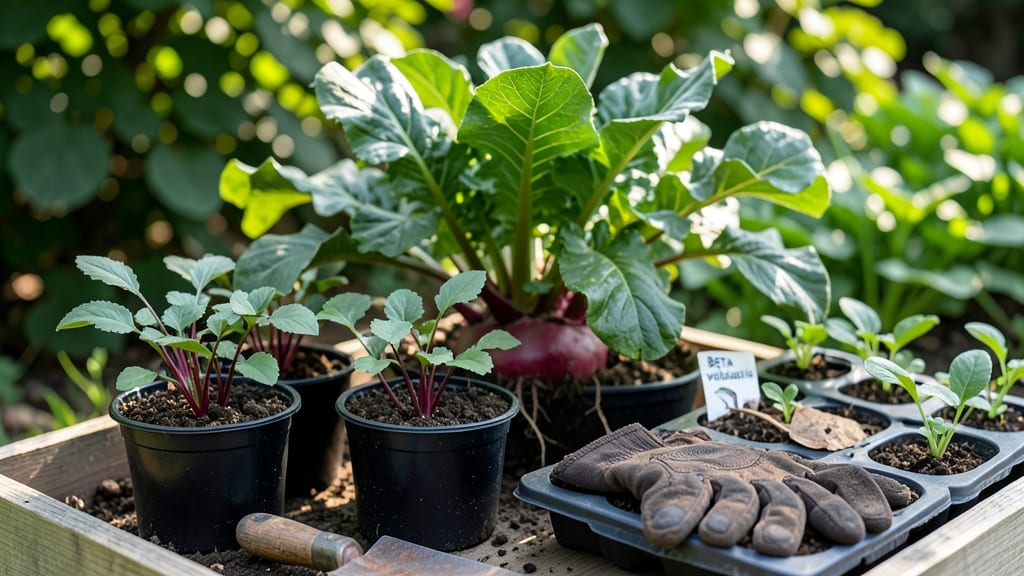
Knowing when to plant beets in Arkansas can mean the difference between a thriving garden and a disappointing harvest. With Arkansas' 7a-8a climate, timing is everything—plant too early, and frost will nip your seedlings in the bud; too late, and the summer heat turns your 🍠 into tough, woody roots.
Most gardeners in Arkansas swear by two key planting windows: early spring (March) and late summer (July-August). But here's the secret: soil temperature matters more than the calendar. Beets germinate best when the ground reaches 50-85°F, and waiting for that sweet spot ensures faster, more reliable growth.
In this guide, I'll break down the exact soil temperature triggers you need to watch for, plus how to adjust for Arkansas' unpredictable weather. Whether you're a first-time gardener or a seasoned green thumb, these tips will help you grow sweet, tender beets all season long.
Ready to transform your garden? Let's dive into the fastest way to get your beets off to a great start—no guesswork required.
Ideal Arkansas planting windows for beets by soil temperature
Arkansas' USDA Zones 7a-8a create two distinct planting windows for beets: early spring and late summer. The key to success lies in soil temperature—beets germinate best when soil reaches 50-85°F.
In northern Arkansas, aim for March 15-April 15, while southern regions can start as early as February 28.
For fall harvests, plant seeds July 15-August 15 to ensure roots mature before first frost (November 15). Use a soil thermometer to verify temperatures—beets won't sprout below 50°F, and germination slows above 85°F. In humid Arkansas summers, afternoon shade helps maintain ideal soil temps.
Here’s how Arkansas’ microclimates affect planting:
| Planting Window | Soil Temp Range | Arkansas Region | Key Action |
|---|---|---|---|
| Early Spring | 50–65°F | North (Zone 7a) | Use row covers for frost protection |
| Early Spring | 55–70°F | South (Zone 8a) | Start seeds indoors 4 weeks prior |
| Late Summer | 65–80°F | All Regions | Plant in partial shade to avoid bolting |
| Fall Extension | 50–75°F | North (Zone 7a) | Use cold frames for late harvests |
In northern Arkansas, where frost lingers longer, prioritize hardy varieties like 'Detroit Dark Red' for spring planting. These tolerate cooler soils better than delicate types. For southern Arkansas, succession planting every 2 weeks from March to May ensures a continuous harvest.
Use Arkansas’ average last frost date (March 15) as your guide: plant beets 4-6 weeks before to allow roots to mature before summer heat sets in. In my garden, I mark this date on my calendar and start seeds indoors 3 weeks prior to jumpstart growth.
For fall planting, focus on July-August when daytime highs dip below 90°F. Arkansas’ humidity can cause seed rot, so avoid planting when soil temps exceed 85°F. Instead, opt for shaded beds or use drip irrigation to keep soil evenly moist.
Pro tip: Test your soil’s moisture retention—Arkansas’ clay soils can bake hard in summer. Amend with compost or sand to improve drainage and germination rates. I’ve found that adding 1 inch of mulch after planting helps maintain soil moisture without overheating.
Remember, soil temperature > air temperature for beet germination. A $10 soil thermometer is your best friend—check temps at 8 AM for accurate readings. In Arkansas’ unpredictable climate, this small tool can save your entire crop from slow or failed germination.
🌱
Ideal Arkansas planting windows for beets by soil temperature
Arkansas' USDA zones 7a-8a create two distinct planting windows for beets: early spring and late summer. But here's the game-changer: soil temperature determines success more than calendar dates. Beets need ground temps between 50-85°F to germinate reliably.
In northern Arkansas (zone 7a), aim for March 15-April 15 when soil warms to 50°F, while southern Arkansas (zone 8a) can start 2-3 weeks earlier.
For late summer plantings, watch for soil temps to drop below 85°F—typically July 15-August 15. This timing avoids the brutal Arkansas summer heat that causes bolting. Pro tip: Use a soil thermometer ($10 at garden centers) to check temps before planting.
Without one, stick to these frost-free date benchmarks: plant 4-6 weeks before last frost (March 15) for spring and 8-10 weeks before first frost (November 15) for fall.
| Planting Window | Soil Temp | Arkansas Zone 7a | Arkansas Zone 8a |
|---|---|---|---|
| Early Spring | 50-65°F | March 15-April 15 | March 1-April 1 |
| Late Summer | 65-85°F | July 15-August 15 | July 1-August 1 |
| Fall Extension | 50-65°F | September 15-October 15 | September 1-October 1 |
Northern Arkansas gardeners should prioritize spring plantings due to shorter growing seasons. Start seeds indoors 4-6 weeks before last frost (March 15) for an early jump. For southern Arkansas, late summer plantings often yield sweeter roots thanks to cooler nights.
Test your soil's moisture retention—Arkansas' clay soils can trap heat, so amend with compost to improve drainage and even out temperature swings.
Don't overlook succession planting every 2 weeks during your zone's ideal window. This staggered approach ensures a continuous harvest. For example, in zone 7a, plant March 15, March 30, April 15 for steady production.
Pair this with heat-tolerant varieties like 'Detroit Dark Red' for summer plantings—they handle Arkansas' humidity better than standard types.
Remember: soil temperature > calendar dates. Even if March 15 rolls around, if your soil is still below 50°F, wait. Cold soil delays germination by 3-5 days per 10°F drop.
Use black plastic mulch to warm soil faster if needed—it can raise temps by 5-10°F in just days. This trick is especially helpful in Arkansas' unpredictable spring weather.
For exact local data, check the Arkansas Climate Office frost maps or your county extension service. They provide hyper-local frost dates that can vary by 1-2 weeks even within the same zone.
With these soil temp triggers and regional adjustments, you'll grow beets that are sweet, tender, and bolting-free all season.