
Plants
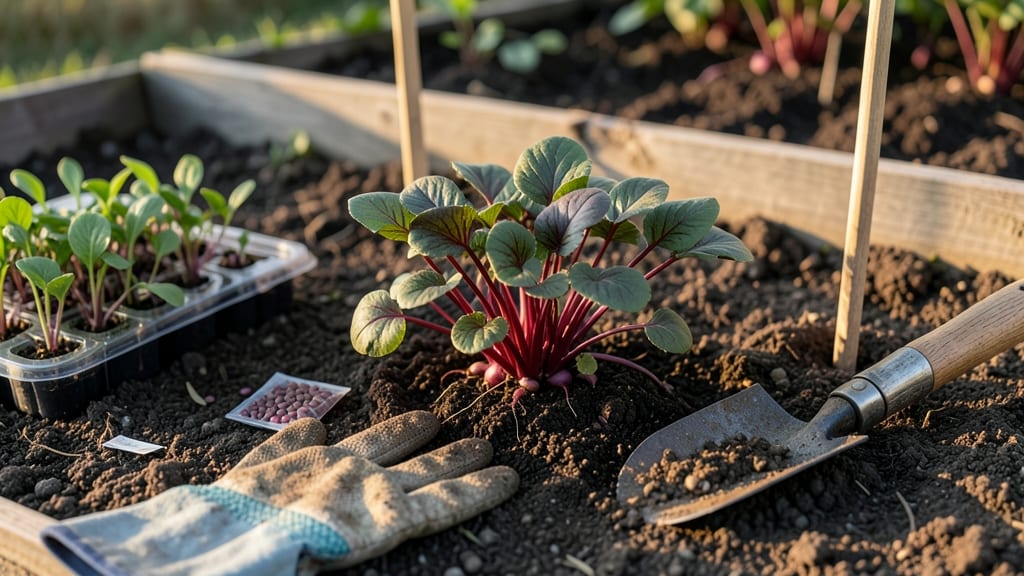
If you're wondering "when to plant beets in Kansas", timing is everything to avoid bitter, woody roots or premature bolting—especially in our 5b-7a climate.
The key lies in two narrow windows: early spring (March-April) when soil warms to 50°F, or late summer (July-August) for a fall harvest. Plant too early, and cool nights trigger flowering; too late, and heat turns your 🍠 into tough, stringy messes.
Most Kansas gardeners swear by March-April planting for tender June-July harvests, but don't overlook late summer's second chance. By sowing in July-August, you'll enjoy sweet October-November beets before frost hits. The trick? Monitor soil temps—beets hate extremes, thriving in 50-75°F ranges.
Here's the game-changer: succession planting every 2 weeks in spring keeps your table stocked, while a shade cloth in summer prevents bolting. Whether you're a beginner or veteran gardener, these timing secrets will transform your beet harvest from hit-or-miss to consistently delicious.
Ready to grow beets that outshine the grocery store? Let's dive into the exact planting schedule, soil prep tips, and Kansas-specific hacks that'll have you harvesting 1-3 inch gems all season long. Your taste buds will thank you.
Best planting months for beets in Kansas (by region)
Kansas’ variable climate means beets thrive in cool seasons but bolt in heat. The key is planting when soil temps stay between 50°F and 75°F. For most of Kansas, this translates to two ideal windows: early spring and late summer.
Let’s break it down by region to ensure your beets stay sweet and tender.
In Kansas City (USDA Zone 6a), aim for March 15–April 15 for spring plantings. Western Kansas (Zone 7a) can start slightly earlier—March 1–April 1—thanks to drier soils warming faster. Both regions can also plant July 15–August 15 for fall harvests before frost hits in mid-October.
Here’s how to align your planting with Kansas’ last frost dates and avoid bolting. The summary table below shows exact windows by region, plus tips for extending your harvest.
| Region | Spring Planting | Fall Planting | Soil Temp Goal | Key Tip |
|---|---|---|---|---|
| Kansas City (Zone 6a) | March 15–April 15 | July 15–August 15 | 50°F–75°F | Use shade cloth if temps rise above 80°F. |
| Wichita (Zone 7a) | March 1–April 1 | July 1–August 10 | 50°F–75°F | Plant Detroit Dark Red for heat tolerance. |
| Western KS (Zone 7a) | March 10–April 10 | July 10–August 5 | 50°F–75°F | Water deeply 2x/week in summer. |
For continuous harvests, try succession planting every 2–3 weeks from March to August. Start with small batches to test your soil’s readiness—Kansas’ chalky soils can dry out fast, so amend with compost before sowing.
If you’re in eastern Kansas, where humidity lingers, opt for bolting-resistant varieties like ‘Golden’ or ‘Chioggia’. These handle moisture better than heirloom types. In western Kansas, prioritize drought-tolerant varieties like ‘Ruby Queen’ to conserve water.
Pro tip: Use a soil thermometer to confirm temps before planting. Beets won’t germinate well below 50°F, and soil in Kansas can fluctuate wildly in spring. Wait for consistent warmth to avoid patchy germination.
For fall harvests, plant your last batch by August 15 to ensure roots mature before first frost. Mulch with straw to protect them from temperature swings in October. This extends your harvest window by 3–4 weeks!
Remember: Beets are cool-season crops, so treat them like spinach or lettuce—they’ll bolt if stressed by heat. By sticking to these region-specific windows, you’ll avoid bitter, woody roots and enjoy sweet, juicy beets all season.
Best planting months for beets in Kansas (by region)
Kansas’ diverse climate means beets thrive in two distinct windows: early spring and late summer. For Kansas City (USDA Zone 6a), aim for March 15-April 15 to avoid spring bolting. Western Kansas (Zone 7a) can start 2-3 weeks earlier due to warmer soils.
Your second planting should be July 15-August 15 for a fall harvest. This timing ensures beets mature before first frost (typically mid-October). Use shade cloth in summer to protect seedlings from intense sun.
🌱 Beet Planting Schedule by Kansas Region
| Region | Spring Planting | Fall Planting | Key Tip |
|---|---|---|---|
| Kansas City (Zone 6a) | March 15-April 15 | July 15-August 15 | Use row covers for early starts |
| Wichita (Zone 7a) | March 1-April 1 | July 1-August 1 | Soil warms faster—plant earlier |
| Western KS (Zone 7a) | February 28-March 15 | July 10-August 10 | Drier climate—water deeply after planting |
For continuous harvests, stagger plantings every 2 weeks in spring and 3 weeks in fall. This ensures a steady supply of tender beets without overcrowding. Always test soil temperature—beets need 40°F+ to germinate.
Choose heat-tolerant varieties like ‘Detroit Dark Red’ for summer plantings. They handle Kansas’ 90°F+ days better than traditional types. Mulch with straw to retain moisture and regulate soil temperature.
In western Kansas, where summers are drier, use drip irrigation to prevent stress. Beets are drought-tolerant once established, but seedlings need consistent moisture. Aim for 1 inch of water weekly during dry spells.
Mark your calendar: Harvest spring beets by July to avoid woody roots. Fall-planted beets should be ready by October-November. Store extras in cool, dark conditions for up to 3 months.