
Plants
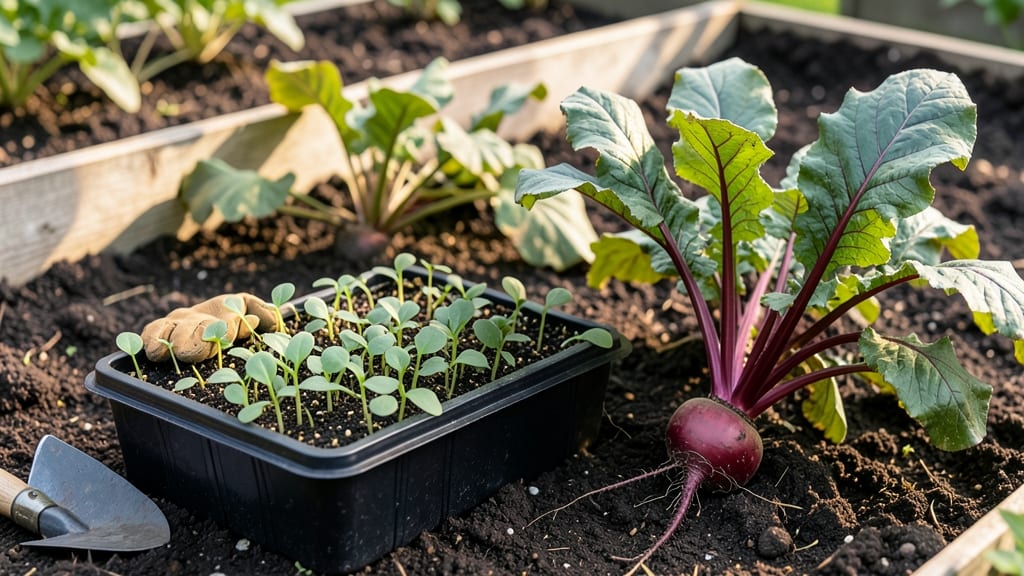
Knowing when to plant beets in Louisiana can mean the difference between tender, sweet roots and tough, bitter ones—especially when humidity and heat play tricks on your garden.
With Louisiana’s 8a-9b climate, timing is everything, and the key lies in avoiding the sweltering summer months while capitalizing on cooler seasons.
Most gardeners here swear by planting 🍠 beets in fall (September-October) or early spring (February-March), when temperatures cooperate and the risk of bolting drops dramatically. But with the right varieties and a few smart tricks, you can even stretch your harvest into summer—without sacrificing quality.
I’ve grown beets in Louisiana for years, and I’ll share my top strategies for beating the heat, from selecting the hardiest varieties to adjusting your schedule based on your specific zone.
Whether you’re a first-timer or a seasoned gardener, these insights will help you grow beets that taste as good as they look.
Ready to unlock the secrets to a bumper beet harvest? Let’s dive into the exact months, soil prep, and climate hacks that work in Louisiana’s unique growing conditions.
Best months to plant beets in Louisiana for optimal growth
Louisiana’s humid subtropical climate (USDA zones 8a-9b) creates unique challenges for growing beets, but the key to success lies in timing your plantings to avoid extreme heat and maximize cool-season growth.
Unlike northern states, Louisiana gardeners can enjoy year-round beet production with strategic planting windows that leverage the state’s mild winters and long growing season.
The ideal months to plant beets in Louisiana are September through October for fall harvests and February through March for spring crops. These windows ensure your beets mature before summer’s intense heat triggers bolting—when plants prematurely flower and produce bitter roots.
For northern Louisiana (closer to zone 8a), you can even squeeze in a late summer planting in August if you provide shade during peak afternoon heat.
Here’s the planting schedule breakdown for Louisiana’s two main beet-growing seasons, tailored to avoid the state’s 90°F+ summer temperatures that stress beets:
| Season | Planting Window | Harvest Window | Key Considerations |
|---|---|---|---|
| Fall | September–October | November–December | Soil stays warm; avoid planting after mid-October in southern LA (zones 9a-9b). |
| Spring | February–March | May–June | Plant after last frost (Feb 15 avg); use row covers if nights stay chilly. |
| Late Summer (Risky) | August (North LA only) | September | Provide afternoon shade; prioritize heat-tolerant varieties like ‘Early Wonder Tall Top.’ |
For year-round production, Louisiana gardeners can also try a winter planting in December (for early spring harvests), but this requires protective row covers during occasional freezes.
The first frost date (around December 1) signals the end of outdoor beet growth, so plan your fall crops to harvest before then. In southern Louisiana (zones 9a-9b), you can sometimes extend fall harvests into early December with mulching and shade cloth.
One common mistake is planting beets too early in spring or too late in fall, leaving them vulnerable to bolting (premature flowering) when temperatures rise above 75°F. To prevent this, always monitor soil temperatures—ideal planting conditions occur when soil stays below 80°F during the day.
Use a soil thermometer to check before sowing seeds, especially in March or September when temperatures fluctuate wildly.
Another pro tip: Succession plant every 2-3 weeks during your chosen season to ensure a continuous harvest. For example, sow a fresh batch of seeds in late February, mid-March, and early April for a staggered spring harvest.
This method also helps space out your labor and reduces the risk of pest pressure overwhelming a single large planting.
If you’re in northern Louisiana (like Shreveport or Monroe), aim to finish planting by mid-October to avoid winter freezes, while southern Louisiana (New Orleans, Baton Rouge) can push plantings slightly later into November.
Always check your local cooperative extension service for frost date updates, as Louisiana’s climate varies significantly even within short distances.
Finally, remember that beets are cool-season crops, so they’ll thrive in Louisiana’s mild winters if protected. With the right timing, you can enjoy homegrown beets from November through June—far longer than most northern gardeners!
The secret? Plan ahead, use shade, and choose the right varieties for your specific microclimate.
Best months to plant beets in Louisiana for optimal growth
Louisiana’s 8a-9b climate means beets thrive best when planted during cooler months, avoiding the brutal summer heat that triggers bolting. The ideal planting window is September-October for fall harvests and February-March for spring crops. These months provide moderate temperatures (60-75°F) and lower humidity, reducing stress on your plants.
For year-round harvests, you can also try August or November plantings, but success depends on your specific microclimate. Northern Louisiana (closer to Zone 8a) has slightly cooler summers, while southern areas (like Zone 9b) may need earlier fall starts to avoid early heat spikes.
Key timing tips: Plant 6-8 weeks before the first frost (usually early December) for a fall harvest, or 4-6 weeks before last frost (mid-February) for spring. In Louisiana, this means September 15-October 15 for fall and February 1-March 15 for spring.
| Season | Planting Month | Ideal Temperature | Harvest Window |
|---|---|---|---|
| Fall | September-October | 60-75°F | November-December |
| Spring | February-March | 65-70°F | May-June |
| Extended | August/November | 70-78°F (risky) | Limited success |
If you’re pushing the limits and planting in late summer or early fall, use shade cloth (30-50%) to protect seedlings from intense afternoon sun. I’ve found that drip irrigation keeps soil moisture consistent, which is critical in Louisiana’s humid heat—even when temperatures aren’t extreme.
For northern Louisiana gardeners (e.g., Shreveport), you might even squeeze in a late spring planting (April) if you’re willing to harvest quickly before summer heat sets in. Southern areas (like New Orleans) should avoid spring plantings entirely unless you’re using heat-resistant varieties and row covers.
Pro tip: Succession plant every 2-3 weeks in fall for a continuous harvest. This works especially well in Louisiana’s long growing season, letting you enjoy beets from November through January without gaps.