Plants
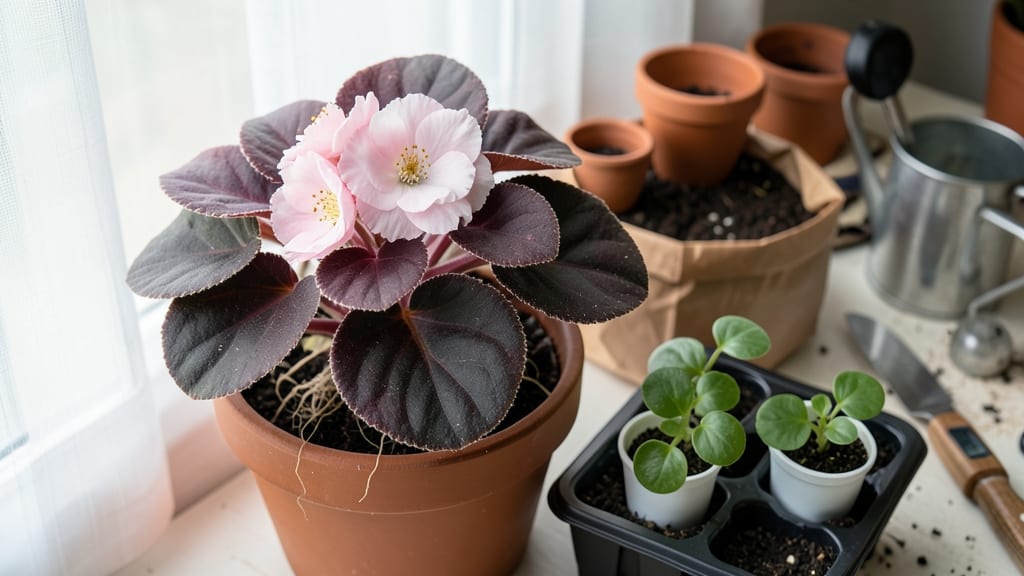
Timing your begonia planting in pots can make all the difference between vibrant blooms and struggling plants. With their delicate 🌸 leaves and stunning flowers, begonias thrive when planted at the perfect moment—just after the last frost in your zone.
For most gardeners in Zone 6a, that means waiting until April or May when temperatures consistently stay above 50°F. But if you live in warmer climates, you might start as early as March, while cooler regions may need to wait until June.
Why does timing matter so much? Begonias are sensitive to cold drafts and soggy soil, so planting too early risks stunted growth or even root rot. The key is balancing warmth, moisture, and container conditions to give your plants the best start.
In this guide, I’ll break down the ideal planting windows by climate zone, container prep tips, and how to adjust for microclimates. Let’s get your begonias off to a healthy and colorful beginning!
Best months to plant begonias in pots by USDA climate Zone
Timing your begonia planting is critical—these tropical plants thrive in warm soil and air, so rushing them too early can lead to root rot or frost damage.
The best time to plant begonias in pots depends on your USDA hardiness zone and whether you're starting with tubers, seeds, or young plants. Let’s break it down by zone to ensure your begonias get a strong start.
In Zones 3-5, wait until after the last frost date—typically mid-to-late May—when soil temperatures consistently stay above 60°F (15°C).
For Zones 6-8, you can plant as early as April, while Zones 9-11 enjoy year-round planting, though spring or fall is ideal to avoid summer heat stress.
🌸
| USDA Zone | Best Planting Month | Key Consideration | Soil Temp Requirement |
|---|---|---|---|
| Zones 3-5 | Mid-to-late May | Wait for frost-free nights | 60°F+ (15°C+) |
| Zones 6-8 | April-May | Avoid late frosts | 55°F+ (13°C+) |
| Zones 9-11 | Spring or Fall | Skip summer heat | 65°F+ (18°C+) |
| All Zones | Indoors (Jan-Feb) | Start tubers early | 70°F+ (21°C+) |
📋 Pro Tip: Use a soil thermometer to confirm warmth before planting.
For tuberous begonias, which are the most popular for containers, plant 6-8 weeks before the last frost indoors to encourage early blooms.
If you’re using fibrous or rex begonias, these can handle slightly cooler temps and may tolerate early spring planting in Zones 7-11, provided you protect them with frost cloth if needed.
In Southern states (Zones 9-11), you can plant begonias in pots year-round, but avoid the peak summer months (June-August) when temperatures exceed 90°F (32°C). Instead, opt for early spring (March) or fall (September-October) to let them establish before extreme heat or cold sets in.
If you’re in a transition zone (e.g., Zone 7), pay attention to microclimates. A sunny patio might warm up faster than a shaded corner, allowing you to plant 2-3 weeks earlier in sheltered spots. Always monitor nighttime temperatures, as begonias won’t tolerate frost, even in containers.
For container-specific tips, ensure your pots have drainage holes and use a well-draining potting mix to prevent soggy roots. Larger pots (10+ inches) can hold more soil, which retains warmth longer—ideal for cooler zones. Smaller pots may require extra protection during chilly nights.
🌿
One common mistake is planting too early in cooler zones, which can lead to stunted growth or yellowing leaves. Begonias need consistent warmth to thrive, so if your local nursery offers potted begonias in early spring, check the root health before purchasing.
Healthy roots should be white or light tan, not dark or mushy.
If you miss the ideal planting window, don’t worry—begonias are forgiving! You can still plant them throughout summer, though they may bloom later in the season. For a longer display, stagger your plantings by 2-3 weeks to enjoy continuous color from late spring to fall.
How to adjust planting time for begonias in containers
Planting begonias in pots isn’t just about the calendar—it’s about understanding your microclimate, container size, and the specific type of begonia you’re growing. Unlike in-ground plants, container-grown begonias can’t regulate their own temperature, so adjustments are key to success.
For example, tuberous begonias need warmer soil to sprout, while fibrous-rooted varieties tolerate cooler temps better. If you’re in Zone 7 or warmer, you might start planting as early as March, but gardeners in Zone 5 or colder should wait until late May or June to avoid frost damage.
Container size also plays a role—small pots dry out faster and can’t buffer temperature swings, while larger containers provide more stability. Always choose pots with drainage holes to prevent root rot, a common issue with overwatered begonias in pots.
🌸
- 🌡️ Extend the season with row covers or frost cloths if planting early in cooler zones (e.g., Zone 6). Remove covers once daytime temps hit 60°F.
- 🪴 Use heat mats for small pots in early spring to warm soil to 65°F+, especially for tuberous begonias. This mimics their native tropical conditions.
- 🌿 Choose trailing varieties (like Begonia boliviensis) for hanging pots—they thrive in cooler microclimates and add vertical interest.
- ☀️ Move pots to sheltered spots (e.g., under eaves or near walls) to protect from cold drafts. Begonias hate wind and temperature fluctuations.
- 🏡 Bring pots indoors before the first frost in Zones 5-7. Place them near an east-facing window for bright, indirect light during winter dormancy.
If you’re growing rex begonias (known for their striking foliage), prioritize humidity—they wilt faster in dry container environments. Group pots together or use a pebble tray with water to increase moisture levels.
For gardeners in Zone 8 and above**, you can plant begonias year-round, but avoid extreme heat (above 90°F), which causes leaf scorch. In these climates, opt for shade-loving varieties like Begonia dregei and place pots in dappled sunlight.
Pro tip: Test your soil’s moisture level before watering—stick your finger 1 inch deep into the pot. If it’s dry, water thoroughly; if damp, wait another day. Overwatering is the #1 killer of potted begonias! ✂️