
Plants
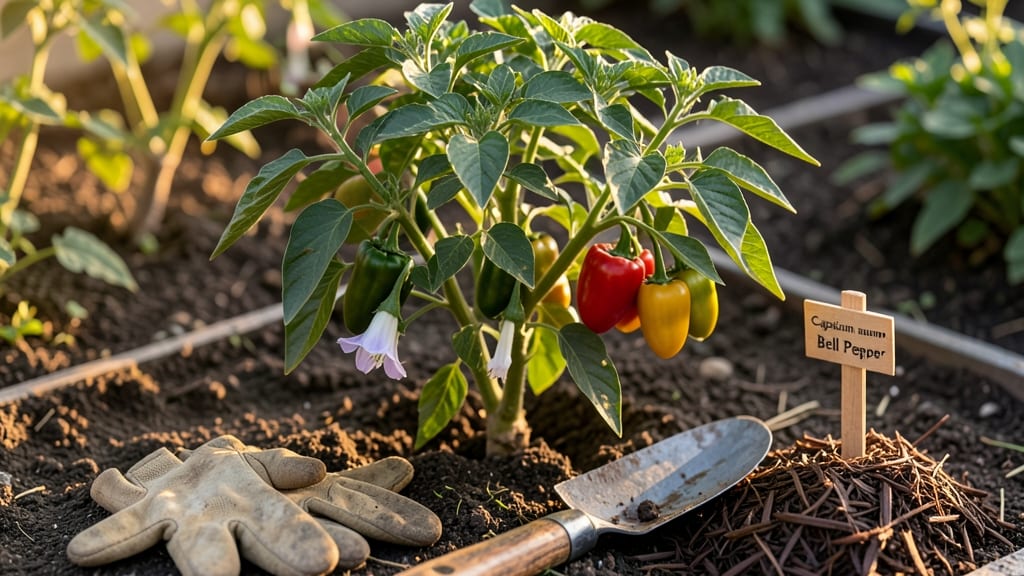
Timing your 🌶️ bell pepper planting in Oregon isn’t just about following a calendar—it’s about outsmarting the state’s unpredictable shifts from coastal chill to inland warmth. Plant too early, and a late frost will wipe out your seedlings; too late, and your harvest shrinks before summer’s end.
The difference between a bountiful garden and a disappointing one often comes down to knowing exactly when to get those seeds in the ground.
Oregon’s USDA zones 8-9 (like Portland’s 8b or southern Oregon’s 9a) offer a narrow window—typically April 15 to June 15—but your microclimate matters more. Coastal areas near the Pacific stay cooler longer, while inland spots can bake early, throwing off traditional schedules.
Even a 5-day delay can mean the difference between thriving plants and struggling ones.
I’ll break down how to read Oregon’s frost-free dates, whether to start seeds indoors 6-8 weeks early, and how to adjust for your specific corner of the state.
Spoiler: Black plastic mulch and row covers are your secret weapons for pushing the season just right. Let’s get those peppers growing strong—and avoid the heartbreak of wasted effort.
By the end, you’ll know not just when to plant, but how to protect your investment from Oregon’s quirks. Ready to turn your garden into a pepper powerhouse? Let’s dive in.
Oregon’s bell pepper planting zones: frost-free dates by region
Oregon’s diverse microclimates mean your bell pepper planting window can vary by hundreds of miles. Coastal areas like Astoria face late frosts until May, while southern Oregon’s Medford sees frost-free soil by early March. Understanding your USDA zone and local frost dates is critical for timing.
Most of Oregon falls within USDA zones 7b-9a, but elevation and proximity to water create microclimates within zones.
For example, Portland (zone 8b) typically has its last frost around March 15, while the Columbia Gorge (zone 7a) can see frost until April 10. Always verify with your local cooperative extension office for precise data.
Here’s how to determine your exact planting window based on Oregon’s key regions:
| Region | USDA Zone | Avg. Last Frost | Planting Window | Key Notes |
|---|---|---|---|---|
| Southern Oregon (Medford, Ashland) | 9a | March 1 - 15 | April 1 - May 15 | Longer growing season; can plant earlier |
| Willamette Valley (Eugene, Salem) | 8b | March 15 - 30 | April 15 - May 1 | Moderate climate; watch for late frosts |
| Portland Metro | 8b | March 15 - 30 | April 15 - May 1 | Urban heat islands may warm soil faster |
| Columbia Gorge (Hood River) | 7a | April 1 - 15 | May 1 - June 1 | Cooler nights delay planting; use row covers |
| Coastal (Astoria, Cannon Beach) | 7b | May 1 - 15 | June 1 - July 1 | Fog delays warming; start seeds indoors |
For coastal gardeners, the June 1 planting window might feel late, but rushing peppers into cold soil leads to poor root development and blossom-end rot. Instead, use black plastic mulch or row covers to warm the soil and extend your season by 2-3 weeks.
Inland areas like Bend or La Pine (zone 7a) can plant as early as May 1, but always wait until soil temperatures reach 60°F. Test with a soil thermometer—peppers won’t thrive below 55°F. Pro tip: Dark-colored containers absorb heat faster if you’re container gardening.
If you’re in transition zones (like the Cascades foothills), err on the side of planting later. A single late frost in May can wipe out young seedlings. For peace of mind, start seeds indoors 6-8 weeks before your last frost date and transplant after Memorial Day.
Remember: Bell peppers need 75-90 days to mature. Planting too late means small, underdeveloped peppers before the first frost. Use this rule of thumb: Count backward from your first frost date (typically October 15 in most of Oregon) to determine your final planting deadline.
For coastal gardeners, aim to harvest by September 30 to avoid chilly nights that stunt growth. Inland areas can push harvests into early November with row covers or greenhouses.
🌱
Indoor vs. outdoor start times: how to extend Oregon’s short growing season
Oregon’s cool, unpredictable spring can make growing bell peppers tricky, but timing your start—whether indoors or outdoors—can extend your harvest window by weeks. The key? Balancing seedling development with last frost dates while accounting for Oregon’s microclimates. Let’s break down your options.
For indoor starts, begin seeds 6-8 weeks before your last frost date. In Portland (USDA Zone 8b), that means late February to early March. Southern Oregon growers in Zone 9a can wait until mid-March. Use grow lights for 12-14 hours daily to prevent leggy seedlings.
🌱 Indoor vs. Outdoor Start Times for Oregon Bell Peppers
| Factor | Indoor Start | Outdoor Start |
|---|---|---|
| When to Start | 6-8 weeks before last frost | After soil reaches 60°F (mid-April to early June) |
| Best for Zones | 5-9 (all Oregon regions) | Zones 8-9 (coastal areas risk frost) |
| Equipment Needed | Grow lights, seed trays, heating mat | Row covers, black plastic mulch |
| Risk Level | Low (controlled environment) | High (frost risk, slow soil warming) |
| Harvest Window | July–October (longer season) | August–September (shorter season) |
💡 Pro Tip: Harden off seedlings for 10-14 days before transplanting to prevent shock.
If you prefer direct sowing outdoors, wait until soil temperatures hit 60°F—typically mid-April in Portland and early April in southern Oregon. Use black plastic mulch to warm soil faster, especially in coastal areas where cold lingers.
For Zone 5 coastal regions, delay until late May to avoid frost.
To extend your season, try these Oregon-specific tricks: Use row covers to protect seedlings in May or cold frames to start seeds in late winter.
In Zone 9 Southern Oregon, you can even plant a fall crop in August for late-season peppers. Just ensure 80+ days remain before first frost.
Remember, timing is everything—plant too early, and frost will kill seedlings; too late, and your peppers won’t mature before fall. For coastal gardeners, err on the side of caution and start 2 weeks later than inland dates.
With the right approach, you’ll enjoy homegrown bell peppers from July through October. 🌶️