
Plants
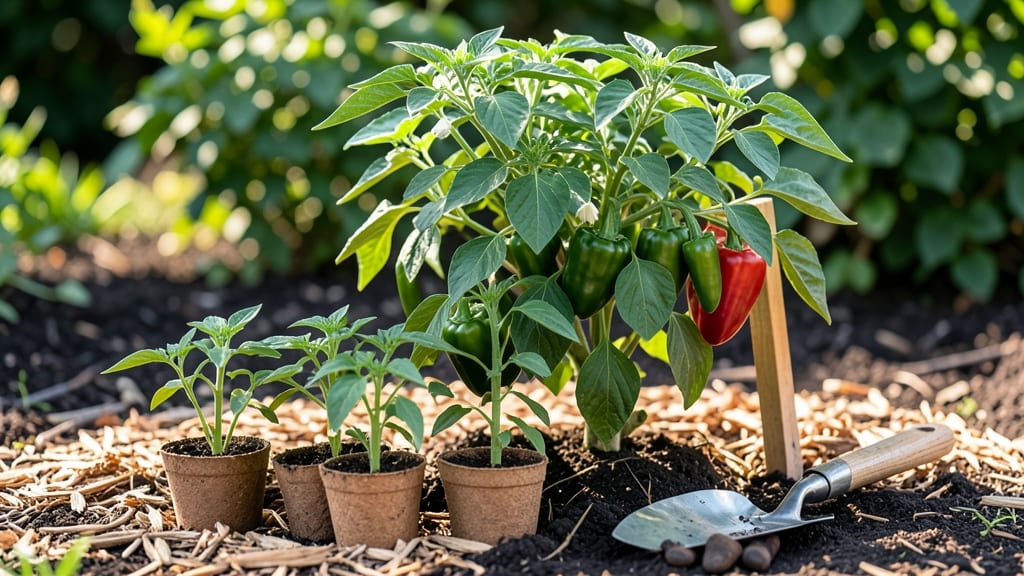
Timing your 🌶️ bell pepper planting in Michigan isn’t just about checking a calendar—it’s about mastering the soil temperature game. Skip the guesswork, and you could end up with stunted plants or missed harvests when summer peppers should be at their peak.
Michigan’s 5b-6b zones demand precision, especially when your growing window is tight between April 15 and May 15. Too early, and frost will nip your seedlings. Too late, and you’ll miss the sweet spot for a bountiful July-October harvest.
Here’s the secret: waiting for soil to hit 60°F (not air temperature!) is the key to strong starts. I’ll show you exactly how to test it, adjust your planting schedule, and pick the best varieties for Michigan’s climate—so you’re not left with sad, underperforming peppers.
Whether you’re starting seeds indoors or sowing directly, these tricks will help you beat Michigan’s unpredictable spring. Let’s get those peppers growing right.
Michigan bell pepper planting timeline by region: frost dates & soil temps
Michigan’s three distinct growing regions mean your bell pepper planting window varies dramatically—sometimes by weeks. The Upper Peninsula faces cooler, shorter seasons, while Southern Michigan enjoys 2-3 extra weeks of warmth. Understanding these regional differences helps you avoid frost damage and maximize your harvest.
Your last frost date is the starting point, but soil temperature is the real game-changer. Bell peppers need soil at at least 60°F to thrive—air temperature alone won’t cut it. In Michigan, this typically happens 2-4 weeks after the last frost, depending on your region.
For example, Detroit might hit 60°F by early May, while Marquette could still be waiting until late May.
Here’s how to align your planting with Michigan’s microclimates. Whether you’re in the UP, Northern Lower Peninsula, or Southern Michigan, this table breaks down the optimal planting windows, soil temperature targets, and transplant readiness cues to ensure your peppers get a strong start.
If you’re starting seeds indoors, begin them 8-10 weeks before your region’s last frost date. For Southern Michigan, that means mid-February to early March, while Northern gardeners should wait until late March. Harden off seedlings for 1-2 weeks before transplanting to avoid shock.
For direct sowing, wait until soil temperatures consistently stay above 60°F. Use a soil thermometer to check—surface temps can be misleading. In cooler regions like the UP, direct sowing may not be viable; stick to transplants for better success rates.
Pro tip: Monitor local weather and use Michigan State University’s frost date maps for real-time updates. A late frost in May can wipe out unprotected plants, so always have row covers on hand for emergencies.
Remember, bell peppers are heat-lovers. Planting too early—even with warm soil—can stunt growth. Aim for full sun exposure and well-draining soil to give your peppers the best shot at a bountiful harvest before Michigan’s first frost in October.
🌱
How to test soil temperature & adjust planting for Michigan’s unpredictable spring
Michigan’s spring soil can be a real wildcard—one day it’s 45°F, the next it’s 65°F. Planting your bell peppers too early in cold soil stunts their roots and invites disease.
But how do you know when it’s really safe? Grab a soil thermometer—it’s your secret weapon for perfect timing.
Most gardeners focus on air temperature, but soil temperature is what matters most. Bell peppers need soil that’s consistently 60°F or warmer to germinate and thrive. In Michigan’s 5b-6b zones, this often means waiting until mid-to-late May in the north and early May in the south.
Here’s my foolproof method: check soil temp 1 inch deep in the morning (before the sun warms it). Do this for 3-5 days to account for daily swings.
If it’s hovering around 55°F, your peppers might still struggle. Wait until it’s 60°F+ for 3 days straight—that’s your green light.
⚠️ Warning: Cold Soil Kills Peppers
Planting in soil below 55°F causes:
- ❌ Poor germination (seeds rot instead of sprouting)
- ❌ Stunted growth (roots can’t absorb nutrients)
- ❌ Fungal diseases (like damping-off in seedlings)
What if your soil is too cold to plant yet? Don’t panic—Michigan gardeners use row covers or cold frames to extend the season. A simple floating row cover can add 3-5°F to soil temp, letting you plant 2-3 weeks earlier without risk.
Just remove it during the day once peppers are established to prevent overheating.
For direct-sown seeds, aim for 70°F+ soil—warmer soil speeds up germination. If you’re transplanting starts, 60°F is the minimum, but 65°F+ gives them a stronger boost.
I’ve had success in Southern Michigan planting transplants as early as late April with row covers, but Northern Michigan gardeners should wait until early June unless using season extenders.
Remember: Patience wins. Rushing into cold soil might save you a week, but it’ll cost you months of growth. Use these tricks, and you’ll have plump, productive peppers by July—no guesswork needed. 🌱