
Plants
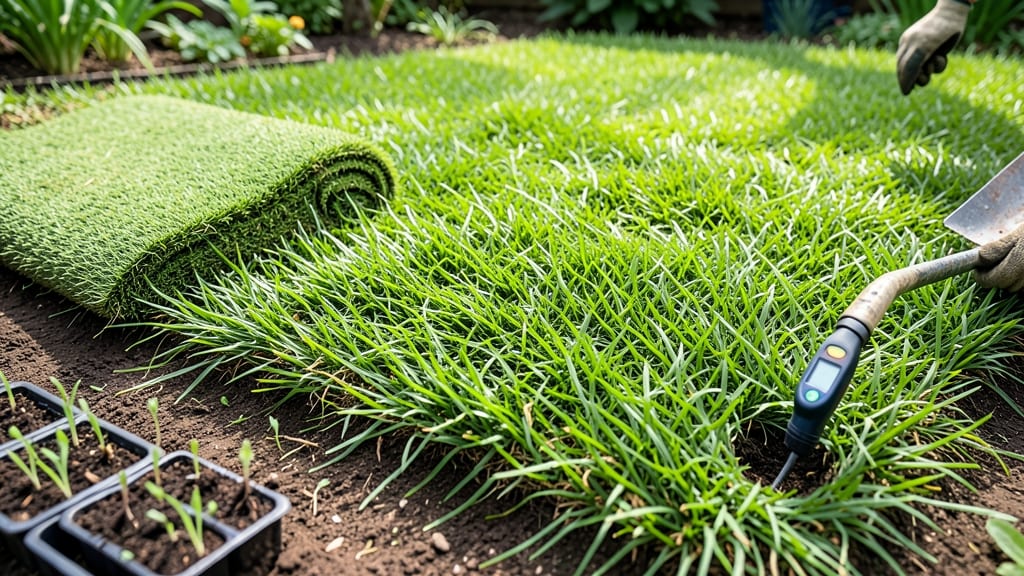
Timing your Bermuda Grass planting in California could mean the difference between a vibrant lawn and months of frustration. This drought-tolerant grass thrives when planted during two key windows: spring (March-May) or late summer (August-September), but getting it wrong can leave your yard patchy or struggling.
California’s diverse climate—from coastal USDA Zone 10a to inland 9a-9b—means the perfect time varies wildly. Plant too early, and frost (rare but possible in high elevations) could stunt growth.
Too late, and summer heat might stress young roots before they establish. The trick? Wait until soil warms to at least 65°F—a simple test that saves headaches later.
I’ve seen lawns transform in just 6-8 weeks when planted at the right moment, but I’ve also watched others fight slow, uneven growth because they rushed.
Whether you’re in Los Angeles, Sacramento, or the desert, this guide will help you pinpoint the ideal window for your microclimate—and set your Bermuda grass up for fast, lush success.
Ready to skip the guesswork? Let’s break down the exact months, soil prep secrets, and regional tweaks that’ll have your lawn looking its best in no time. Your perfect green carpet starts here.
Best planting months for Bermuda grass in California by region (coastal vs. inland vs. desert)
California’s diverse climate means one planting window doesn’t fit all. Coastal areas like San Francisco thrive with spring planting (March-May), while inland regions such as Fresno benefit from late summer (August-September) to avoid summer drought stress.
Desert zones near Palm Springs? Wait until soil warms to 70°F+—usually April-May—to prevent heat shock.
Bermuda grass (Cynodon dactylon) is a warm-season grass, meaning it needs consistent soil temps above 65°F to germinate. In cooler USDA Zone 9a areas (like Sacramento), aim for late April to avoid early-season frost risks.
Southern California’s Zone 11 (e.g., Palm Springs) can plant as early as March once daytime highs hit 75°F+.
The key is soil temperature, not just calendar dates. Use a soil thermometer to confirm 65°F+ at 4-inch depth before planting. Coastal fog delays warming—wait for 3 consecutive days above 70°F. Inland areas? Plant in August to leverage fall rains for establishment.
Here’s how 3 California regions differ in optimal planting:
| Region | Optimal Planting Window | Soil Temp Trigger | Key Consideration |
|---|---|---|---|
| Coastal (SF, LA) | March–May | 65°F+ (delay if foggy) | Avoid summer drought; use drip irrigation |
| Inland (Sacramento, Fresno) | August–September | 70°F+ (post-summer heat) | Leverage fall rains for root growth |
| Desert (Palm Springs, Yuma) | April–May | 75°F+ (avoid 100°F+ soil) | Use shade cloth for first 2 weeks |
Pro tip: Northern California’s coastal regions (e.g., Santa Cruz) can plant as late as June if using dwarf Bermuda varieties like ‘TifEagle’, which tolerate cooler temps better. Inland Central Valley areas should avoid June planting—summer heat stresses seedlings.
For southern California deserts, April is critical. Planting in March risks 30°F nighttime drops in Zone 9b, while May planting benefits from monsoon moisture. Always water deeply at dusk to retain moisture in 100°F+ conditions.
One common mistake? Assuming “California = warm year-round”. Even Zone 11 deserts can have freezing nights in winter. If planting late summer (August-September), mulch with straw to protect seedlings from temperature swings.
Use this 3-step check before planting:
- Test soil temp at 4” depth (use a meat thermometer if needed).
- Check 10-day forecast for no rain (Bermuda hates soggy soil).
- Verify sunlight: 6+ hours daily—no shade!
Timing your Bermuda grass planting right means faster germination, thicker turf, and fewer weeds. Get it wrong, and you’ll battle patchy growth for months. Start with your region’s soil temp, not just the calendar! 🌱
Best planting months for Bermuda grass in California by region (coastal vs. inland vs. desert)
California’s diverse climate means your Bermuda grass planting window depends heavily on whether you live near the coast, in the Central Valley, or in desert-adjacent areas. Soil temperature is your best guide—aim for 65°F or warmer at 4 inches deep before planting.
Coastal regions like San Francisco can start as early as late February, while inland areas like Fresno should wait until mid-April.
Desert regions like Palm Springs have a shorter window due to extreme summer heat. Here, late August to early September is ideal to avoid scorching young sprouts. The key is planting when daytime highs are 85°F or lower to reduce stress on your new grass.
| Region | Optimal Planting Window | Soil Temp Trigger | Key Consideration |
|---|---|---|---|
| Coastal (e.g., San Francisco, Santa Barbara) | Late February - Early May | 65°F+ (warmer by April) | Cool ocean breezes delay warming |
| Central Valley (e.g., Sacramento, Fresno) | Mid-April - Early June | 70°F+ (consistent by May) | Hot summers require early start |
| Desert (e.g., Palm Springs, Joshua Tree) | Late August - Early September | 75°F+ (cooler evenings) | Avoid midday heat over 95°F |
For Northern California gardeners, spring planting (March-May) aligns with natural rainfall patterns, reducing your need for supplemental watering. In Southern California, where winters are milder, you can extend planting into October—but only if nighttime temps stay above 50°F to prevent dormancy.
Pro tip: Use a soil thermometer to check depth—surface temps can be misleading. Bury it 4 inches deep in full sun for the most accurate reading. If your soil hasn’t reached 65°F after the recommended window, wait another 2-3 weeks—rushing leads to weak, patchy growth.
Remember, Bermuda grass is a warm-season grass, meaning it goes dormant in winter. Planting too early in cooler regions risks frost damage, even in California’s mild winters. Coastal areas are safest for early starts, while inland deserts demand late-summer timing.
Once you’ve nailed the timing, focus on soil prep—loose, well-draining soil with a pH of 6.0-7.0 will give your Bermuda grass the best start. Next, we’ll cover how to prepare your lawn for planting success, including sunlight requirements and weed suppression.