
Companion Plants
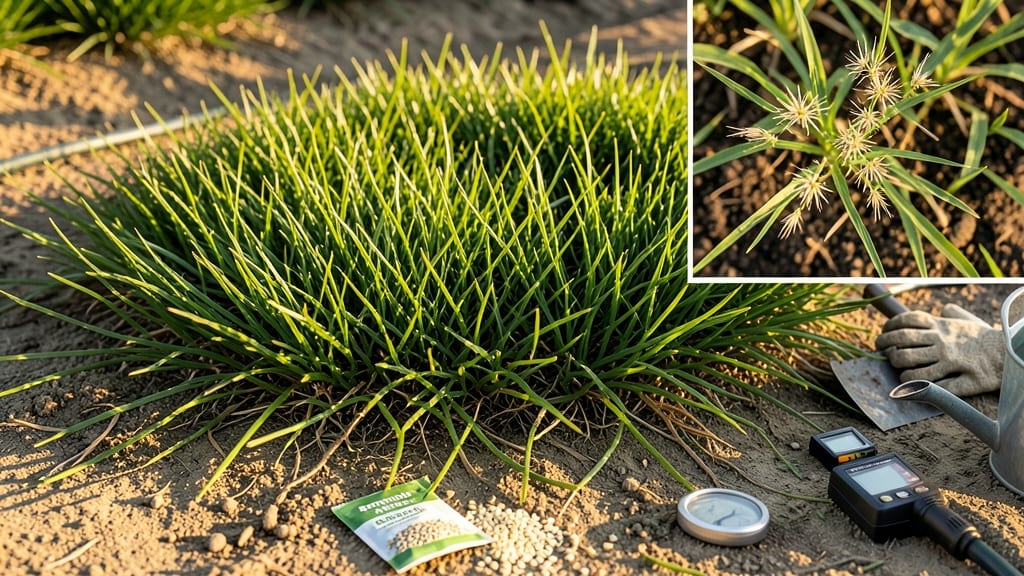
Timing your Bermuda grass seed planting in Texas can make or break your lawn’s success—get it wrong, and you’re staring at patchy growth or wasted effort. With Texas heat zones ranging from 8a to 11, the right window ensures fast germination and drought-resistant roots before summer’s peak arrives.
Most Texas gardeners swear by late spring to early summer (April–June) or late summer (August–September), when soil temps hit that sweet 65°F+ threshold.
But here’s the catch: North Texas’ cooler springs mean you might need to push planting to late May, while South Texas can start earlier—even as early as April. The key? Avoid frost risk and align with your local heat zone’s last frost date.
Why does this matter? Bermuda grass thrives in heat but despises cold snaps. Plant too early, and frost zaps your seedlings. Too late, and summer’s brutal sun stresses young roots before they establish.
I’ll break down the exact dates for your region, plus soil prep tricks to give your seed the best shot at taking hold—fast.
Ready to skip the guesswork? Let’s dive into the heat-zone safe start dates that’ll have your lawn looking lush in 30 days or less—no matter where you are in Texas.
Best planting windows for Bermuda grass seed in Texas by heat zone
Texas' extreme heat and varied climate zones make timing critical for Bermuda grass seed success. Planting too early risks frost damage, while waiting too late can stress seedlings in peak summer heat.
The ideal window is late spring to early summer (April-June) or late summer (August-September), when soil temperatures stay above 65°F (18°C) consistently.
Bermuda grass thrives in Texas' USDA Zones 8a-11, but regional differences matter. North Texas (Zones 8a-8b) has cooler springs, while South Texas (Zones 9a-11) can handle earlier plantings. Always check your last frost date—planting 2-3 weeks after ensures no cold snaps threaten tender seedlings.
Here’s how to align your planting with Texas’ three main heat zones for maximum germination success:
| Heat Zone | Best Planting Window | Soil Temp Requirement | Key Consideration |
|---|---|---|---|
| North Texas (8a-8b) | Late May - Early June or August 15 - September 15 | 65°F+ consistently | Avoid early spring frost risk; late summer allows heat acclimation |
| Central Texas (8b-9a) | April 15 - May 31 or July 15 - August 31 | 68°F+ for germination | Balanced window avoids extreme heat or drought stress |
| South Texas (9b-11) | March 15 - April 30 or August 1 - September 10 | 70°F+ for best results | Early window capitalizes on mild winters; late summer avoids hurricane season |
For fastest establishment, aim for late summer plantings in August-September. This timing lets seedlings grow before winter dormancy and avoids competing with weeds that thrive in spring. Just ensure your area hasn’t had recent rainfall—wet soil can delay germination by up to 2 weeks.
Pro tip: Use a soil thermometer to confirm temperatures. Bermuda grass seeds won’t sprout below 65°F (18°C), even if air temps feel warm. In North Texas, wait until mid-May to guarantee safe planting conditions.
If you’re overseeding an existing lawn, late summer is ideal because established Bermuda grass goes dormant in winter, giving new seeds room to establish without competition. For new lawns, early summer (June) works well if you’ve prepped the soil properly.
Texas’ drought-resistant reputation means once established, Bermuda grass needs minimal water. But during the critical first 3 weeks after planting, keep soil consistently moist—not soggy—to encourage root development. Use a light misting system or early-morning watering to prevent fungal issues.
Remember: Bermuda grass spreads via rhizomes and stolons, so planting too early can lead to weak, sparse growth. The late-summer window gives your lawn a head start before winter, resulting in a thicker, greener turf by spring.
For South Texas gardeners, consider shade cloth during peak afternoon heat (12 PM–4 PM) if planting in early spring. This protects tender seedlings while maintaining the 65°F+ soil temp requirement.
🌱
Best planting windows for Bermuda grass seed in Texas by heat zone
Texas’ diverse heat zones (8a–11) mean your Bermuda grass seed timing should match your region’s last frost date and soil warmth. In North Texas (8a–9a), wait until late May to early June—soil temps must hit 65°F+ to avoid frost damage.
Meanwhile, South Texas (10a–11) can start as early as mid-April, where heat arrives earlier and frost is rare.
Here’s the golden rule: Plant when soil temps stay above 65°F for 7+ days. Use a soil thermometer (or check local agricultural reports) to confirm. Skipping this step means slow germination or seed rot—neither helps your lawn’s speedy growth.
🌱
| Texas Heat Zone | Last Frost Date | Optimal Planting Window | Soil Temp Goal |
|---|---|---|---|
| 8a–9a (North TX: Dallas, Fort Worth) | Mid-February to March | Late May–Early June | 65°F+ (18°C) |
| 9b (Central TX: Austin, San Antonio) | Late January–Early February | Early May–Late June | 65°F+ (18°C) |
| 10a–11 (South TX: Houston, Corpus Christi) | January 1–February 15 | Mid-April–Early May | 65°F+ (18°C) |
| All Zones (Late Summer Backup) | N/A | August–September | 70°F+ (21°C) |
For fastest establishment, aim for late summer (August–September) as a backup. This window lets seeds germinate before fall rains and cooler temps slow growth. Just ensure soil stays 70°F+—Bermuda grass hates chilly roots.
Pro tip: If you miss the spring window, oversow in late summer instead of waiting for spring. The grass will establish before winter dormancy kicks in, giving you a head start next year.
✅