
Plants
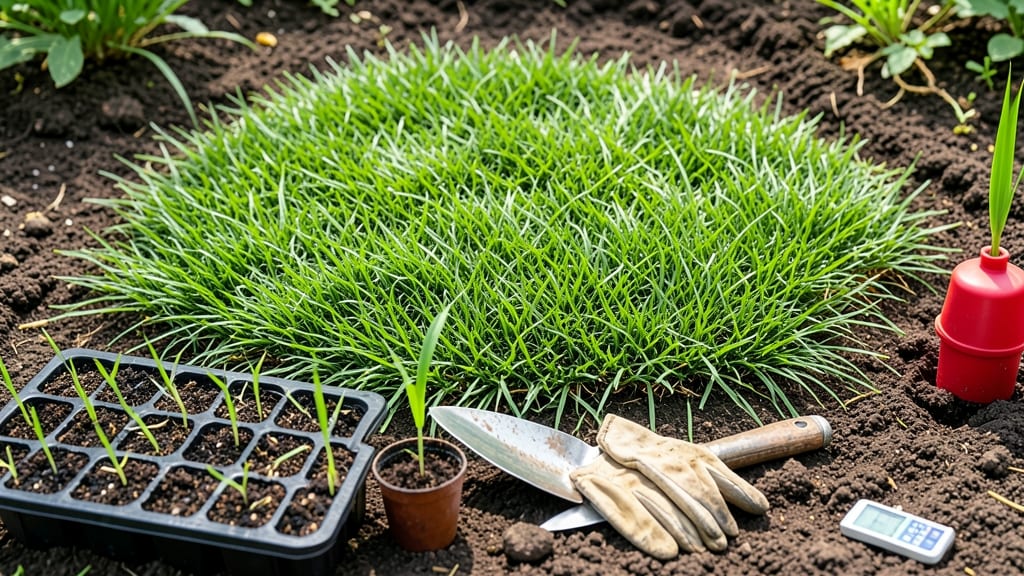
Planting Bermuda grass in Phoenix at the wrong time can mean the difference between a lush, heat-resistant lawn and a sad, brown patch that never recovers.
The key to success isn't just about avoiding the brutal summer heat—it's about timing your planting to give your 🌱 Bermuda grass the best shot at establishing strong roots before the real challenge begins.
Most Phoenix gardeners make one critical mistake: waiting until late spring or summer to plant. By then, the soil is already too hot, and your grass struggles to take hold.
The ideal window—late winter to early spring—gives Bermuda grass time to grow deep roots before the temperatures soar past 90°F. This isn't just a suggestion; it's the difference between a lawn that thrives and one that fights for survival.
But here's the thing: even the best timing won't guarantee success if you don't prepare your soil right. Phoenix's unique climate—with its mix of urban heat islands and desert outskirts—means your soil might need extra attention to drain properly and hold moisture.
I'll walk you through the exact steps to get your soil ready, so your Bermuda grass doesn't just survive the summer—it dominates it.
Ready to transform your yard into a heat-proof oasis? Let's dive into the simple but powerful strategies that will make your Bermuda grass the envy of every neighbor in Phoenix.
You'll learn when to plant, how to prep your soil, and the common pitfalls that even experienced gardeners fall into—so you can skip the guesswork and get it right the first time.
Best planting windows for Bermuda grass in Phoenix’s climate zones
Phoenix’s USDA Zone 9b climate creates unique challenges for Bermuda grass planting. Unlike northern lawns, timing here isn’t about frost—it’s about soil temperature and heat tolerance.
Plant too early, and you risk fungal growth; too late, and your grass wilts before establishing roots. The ideal window balances these factors perfectly.
Most Phoenix gardeners swear by late winter to early spring (February–March) as the sweet spot. During these months, daytime highs hover around 75–85°F, while nighttime dips below 60°F, creating ideal conditions for root development.
This period also aligns with Phoenix’s monsoon season buildup, ensuring moisture stays in the soil longer.
However, Phoenix isn’t one climate—it’s a patchwork of urban heat islands and desert outskirts. Downtown areas stay 5–10°F warmer than Scottsdale or Gilbert, shifting your planting window by 2–4 weeks. Let’s break down the best times for each microclimate to maximize your Bermuda grass’s survival.
📊 Comparison Table: Best Planting Windows by Phoenix Microclimate
| Climate Zone | Ideal Planting Window | Soil Temp Threshold | Key Considerations |
|---|---|---|---|
| Downtown Phoenix (Urban Heat Island) | Mid-March to Early April | 65–75°F (daytime) | Higher temps = faster germination; water more frequently |
| Scottsdale/Gilbert (Suburban) | Late February to March | 60–70°F (daytime) | Cooler nights = slower growth; mulch to retain moisture |
| West Valley (Desert Outskirts) | February (early) | 55–65°F (daytime) | Lower humidity = less fungal risk; irrigate deeply |
| All Phoenix Areas (Overseeding) | Late August (monsoon transition) | 80–85°F (soil) | High humidity = fungal risk; use fungicide pre-treatment |
While February–March is the golden window, don’t dismiss late summer overseeding (August). Phoenix’s monsoon rains create a brief period of high humidity and moisture—perfect for Bermuda grass seeds to germinate before the heat returns. However, this method requires fungicide pre-treatment to combat disease pressure from the damp conditions.
Pro tip: Use a soil thermometer to confirm 60–70°F soil temps before planting. Cold soil slows germination, while temps above 75°F can cause heat shock. Aim for consistent moisture (not soggy soil) during the first 30 days—this is when roots establish or fail.
If you’re planting sod instead of seed, shift your timeline 2–4 weeks earlier. Sod establishes faster because the roots are already mature, giving it a head start against Phoenix’s intense summer sun.
Just be prepared to water deeply 2–3 times daily for the first week to prevent drying.
One critical mistake Phoenix gardeners make? Planting in April or May. By then, daytime temps often exceed 95°F, and even Bermuda grass struggles to establish. The grass may sprout, but it’ll go dormant within weeks, leaving you with a brown, patchy lawn instead of lush green coverage.
For year-round success, time your planting to align with Phoenix’s cool-season growth window. This means late winter to early spring for seeds and late summer for overseeding—both strategies leverage the city’s natural rainfall patterns while avoiding the peak heat.
🌱 Ready to plant? Grab your soil thermometer, schedule your irrigation, and mark your calendar for March 1st—the absolute best date for most Phoenix areas to start your Bermuda grass journey.
Best planting windows for Bermuda grass in Phoenix’s climate zones
Phoenix’s climate isn’t one-size-fits-all—urban areas like downtown can feel 10°F hotter than the desert outskirts by midday. This means your planting window should shift based on where you live. For urban Phoenix (USDA Zone 9b), aim for late February to early March when soil temperatures hover around 65–75°F.
In desert outskirts, you’ve got a slightly wider window—mid-February to mid-April—thanks to cooler nights and faster soil warming.
Why does this matter? Bermuda grass seeds need consistent soil temps above 65°F to germinate, but if it’s above 85°F, they’ll dry out before sprouting. Planting in March gives you that sweet spot—roots establish before the 100°F+ summers hit.
Pro tip: Check soil temps with a soil thermometer (or your finger—if it’s too hot to hold for 5 seconds, wait).
If you miss the spring window, don’t panic—you can still plant in late summer (August–September), but it’s riskier. The grass will struggle to establish before the monsoon rains arrive, and fungal diseases like brown patch become a bigger threat.
For a second-chance planting, focus on shade cloth (30–50%) and daily watering until roots are 2–3 inches deep.
One more pro move: If you’re in urban Phoenix, consider hydraulic turf seeding in early March. This method uses water pressure to plant seeds deeper, helping them bypass the topsoil’s dry layer and reach moisture faster.
It’s pricier but cuts germination time by 30%—worth it for a lawn that survives Phoenix summers.
Timing isn’t just about months—it’s about microclimates. A north-facing yard stays cooler longer, while a south-facing slope heats up faster. Use these windows as a guide, but always check your specific spot’s soil temp and adjust by 1–2 weeks if needed.
Your Bermuda grass will thank you with thick, heat-proof growth all year.