
Plants
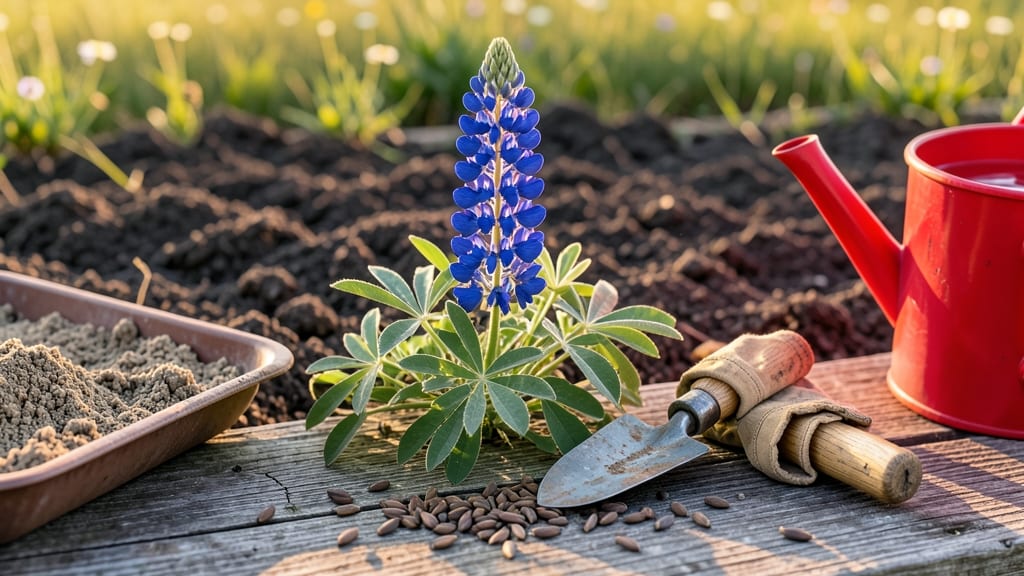
If you’ve ever dreamed of seeing Austin’s famous bluebonnet fields blanketing your yard in vibrant blue 🌸, when to plant bluebonnet seeds in Austin is the most important step—get it wrong, and you might end up with sparse blooms or no flowers at all.
Fall is the ideal window for planting bluebonnet seeds in Austin’s 8a-9a climate, but knowing the exact months can make all the difference.
Whether you’re a seasoned gardener or a first-timer, understanding how Austin’s unique weather patterns affect germination will help you avoid common mistakes and set your seeds up for success.
In this guide, I’ll break down the science behind Austin’s planting windows, from late September through November, and share actionable tips to ensure your bluebonnets thrive. You’ll learn how to prepare your soil, time your watering, and even work with microclimates to maximize your chances of a stunning spring display.
Ready to transform your yard into a bluebonnet paradise? Let’s dive into the secrets of planting these iconic Texas wildflowers at the perfect time for vibrant, long-lasting blooms.
Austin’s best planting months for bluebonnets: climate science explained
Austin’s bluebonnets thrive when planted at the right time, and the Central Texas climate plays a huge role in their success. Unlike many flowers, bluebonnets need cold stratification—a natural winter chilling process—to break seed dormancy.
Planting too early or late can leave you with weak germination or no blooms at all.
The ideal planting window for Austin is late September through November, aligning with the city’s average first frost date (December 1). This timing ensures seeds get enough cold exposure while still establishing roots before winter. Spring planting is possible but riskier due to unpredictable weather patterns.
Microclimates in Austin also matter—higher elevations (like West Austin) may experience earlier frosts, while low-lying areas (like East Austin) stay warmer longer. Always check your specific zone’s last frost date (January 15) to adjust timing accordingly.
Bluebonnets need well-draining soil and full sun (6+ hours daily). Austin’s caliche soil can be heavy, so amending with compost or sand improves drainage. Rainfall patterns also shift—fall brings steady showers, while spring can be dry, affecting watering needs.
Here’s how temperature and rainfall impact planting:
| Factor | Austin’s Ideal Range | Why It Matters |
|---|---|---|
| Planting Month | Late September–November | Seeds need cold stratification; avoids summer heat stress. |
| Soil Temperature | 50–65°F (10–18°C) | Optimal for germination; too hot = dormancy. |
| Rainfall | 2–3 inches/month (fall) | Natural moisture aids seed-to-soil contact; avoids drought stress. |
| Sunlight | 6+ hours/day | Full sun ensures robust stems and vibrant blooms. |
| Frost Window | First frost: Dec 1; Last frost: Jan 15 | Seeds need cold exposure but avoid late frosts. |
Spring planting (February–March) is riskier because Austin’s unpredictable spring rains can wash away seeds or cause rot. If you miss fall, pre-chill seeds in the fridge for 4–6 weeks to mimic winter conditions before planting.
Bloom timing also depends on planting month. Fall-planted seeds often bloom earlier (March–April), while spring-planted seeds may flower late (April–May). For a continuous display, mix fall and spring plantings.
Local Austin gardeners swear by planting after the first hard frost (when temps drop to 28°F/-2°C). This ensures seeds get cold treatment without freezing. Avoid planting after November 15, as seeds may not establish roots before winter dormancy.
Pro tip: Scatter seeds thinly (about 10 seeds per square foot) in well-prepped soil. Bluebonnets self-seed, so thick planting can lead to overcrowding and weaker blooms. Let nature do the work—no need to cover seeds with soil!
🌸
Step-by-step fall planting guide: month-by-month prep for maximum blooms
Now that you know fall is the prime time to plant bluebonnet seeds in Austin, let’s break down the exact steps for each month—from September’s soil prep to November’s final touches.
Austin’s 8a-9a climate means timing is everything, and these month-by-month actions will set your seeds up for a vibrant spring display.
Start by testing your soil’s pH level (6.0–7.5 ideal) and amending it with compost if needed. Bluebonnets thrive in well-draining soil, so avoid heavy clay areas unless you’ve added organic matter.
Scatter seeds lightly (1/8 inch deep) in prepared beds, as they need sunlight to germinate—don’t bury them too deeply!
September is your first chance to plant, but wait until mid-to-late September when soil temps drop below 80°F. This prevents seeds from sprouting too early, which can stress young plants. Water lightly but consistently (1/4 inch per week) to keep soil moist without drowning seeds.
In October, focus on mulching lightly (1–2 inches of straw) to retain moisture, but avoid thick mulch that can smother seedlings. If rains arrive, adjust watering to prevent soggy soil. By late October, seeds should sprout—thin seedlings to 6 inches apart for optimal growth and airflow.