Plants
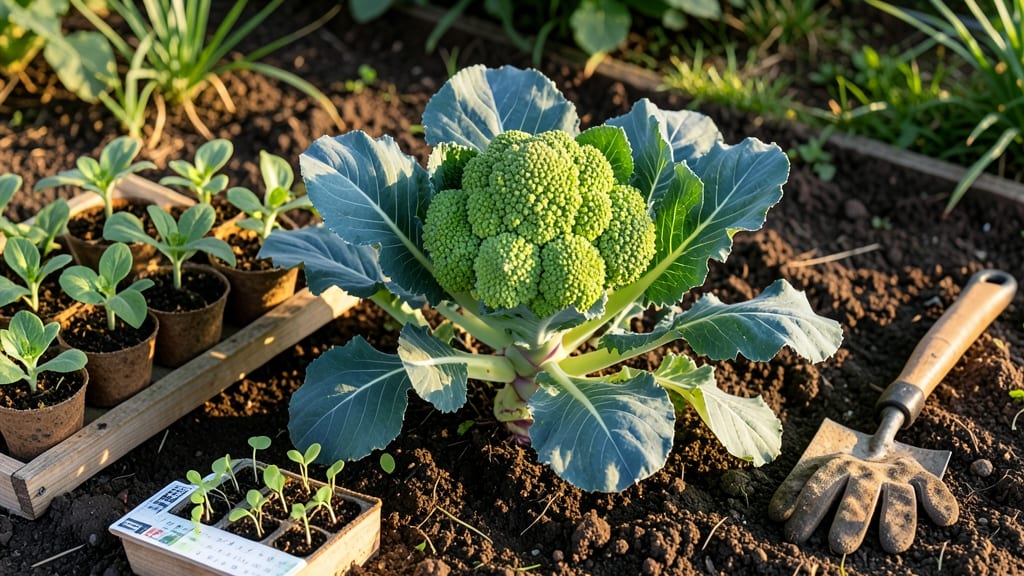
If you're dreaming of a bountiful 🥦 broccoli harvest in Connecticut, timing is the secret ingredient—plant too soon, and frost will ruin your efforts; too late, and your plants might bolt before you even get to taste them.
The key to avoiding these common mistakes lies in understanding CT's frost-free timeline, which varies slightly depending on whether you're in zone 5 or 6a.
For most Connecticut gardeners, the best windows are early spring (March to April) or late summer (August to early September).
But here's the catch: your exact planting dates should align with your last average frost date—typically around April 15—to give your broccoli enough time to mature before summer heat sets in. Missing this window could mean smaller heads or bitter-tasting crops.
I've tested these strategies in my own 6a zone garden, and what I'm about to share will help you avoid the most common pitfalls. Whether you're a first-time gardener or a seasoned pro, these insights will ensure your broccoli thrives from seed to harvest—no guesswork required.
Let's dive into the exact planting schedule tailored for Connecticut's climate, plus pro tips to extend your growing season if you're eager to squeeze in extra harvests. Your future meals will thank you!
Connecticut’s broccoli planting zones: exact dates to avoid bolting in zones 5-6
Connecticut’s USDA Zones 5-6 create unique challenges for broccoli growers. The average last frost date of April 15 signals the start of your spring planting window, while the first frost around October 20 marks the end of your fall harvest season.
Understanding these zones helps you avoid bolting (when broccoli flowers prematurely) and ensures head-sized harvests.
For Zone 5a (northern CT), aim to plant broccoli 4-6 weeks before your last frost—typically between March 15 and April 1. In Zone 6a (southern CT), you can push planting slightly later, from March 25 to April 10.
These timelines give seedlings enough time to establish roots before soil temperatures rise above 45°F, which triggers bolting.
Fall planting is just as critical. For a late-season harvest, sow seeds 90-120 days before your first frost.
That means August 1 to September 1 in Zone 5a and August 15 to September 10 in Zone 6a. Fall broccoli benefits from cooler temperatures and avoids the heat stress that causes bolting in summer.
Microclimates in CT can shift planting windows by 1-2 weeks. Urban areas like Hartford or New Haven may experience warmer microclimates due to pavement, while rural spots like Litchfield Hills stay cooler longer.
Use a frost calendar from your local Cooperative Extension office to fine-tune dates for your specific location.
Here’s a quick guide to soil temperature thresholds for broccoli in CT:
| Zone | Spring Planting Window | Fall Planting Window | Soil Temp Threshold |
|---|---|---|---|
| Zone 5a | March 15–April 1 | August 1–September 1 | 40–45°F |
| Zone 5b | March 20–April 5 | August 10–September 5 | 40–45°F |
| Zone 6a | March 25–April 10 | August 15–September 10 | 40–45°F |
If you’re planting transplants (young plants from a nursery), wait until soil temperatures are consistently above 45°F and nighttime temps stay above 35°F. Transplants are more resilient than seeds, so you can push your spring planting up to 2 weeks later than seed-starting dates.
Just be sure to harden off transplants for 7-10 days before planting to avoid shock.
For urban gardeners in CT, container growing extends flexibility. Use 5-gallon pots or larger to accommodate broccoli’s deep root system. Plant transplants in containers as early as late March and move them to ground level once soil warms. This trick lets you start earlier without frost risk.
One common mistake is planting broccoli too early in Zone 5a, where late-March seeds may still face frost. To test soil readiness, use a soil thermometer.
If temps dip below 40°F, delay planting or use row covers to protect seedlings. Similarly, fall planting after September 15 in Zone 5a risks immature harvests before frost.
Pro tip: Mark your planting dates on a garden calendar with harvest timelines (broccoli takes 60-80 days to mature). This ensures you’re not left with overgrown plants when frost hits.
For example, if you plant on April 1, expect harvests in late May to June—just before summer heat triggers bolting.
Bolting is the #1 enemy of CT broccoli growers, but timing is your secret weapon. By aligning your planting windows with frost dates and soil temps, you’ll enjoy crisp, flavorful heads all season long. 🥦
How to extend your broccoli season in CT: cold frames, row covers, and succession planting
If you love fresh 🥦 broccoli but hate missing the harvest window, extending your growing season is the answer. Connecticut’s short frost-free period (about 165 days) means we can’t always plant once and forget it.
The good news? With the right techniques, you can push your broccoli harvest 2-3 weeks earlier or 3-4 weeks later than the standard schedule.
I’ve used these methods in my zone 6a garden to enjoy broccoli from late April through November. The key is combining cold frames, floating row covers, and succession planting—each with specific timing rules to avoid frost damage or heat stress.
Let’s break down how to make it work for your CT garden.
🌱 Did You Know? Cold frames can add 4-6 weeks to your spring planting window, while row covers protect fall crops until mid-October—just in time for Thanksgiving side dishes!
- 📅 Start seeds indoors 6-8 weeks before your last frost date (around February 15 for CT). Use grow lights to prevent leggy seedlings.
- ❄️ Use cold frames to plant outdoors 3-4 weeks earlier than your zone’s last frost date. Soil should be at least 40°F for germination.
- 🛡️ Apply floating row covers in late summer (after August 15) to protect fall plantings from early frosts. Remove covers during the day for pollination.
- 🔄 Succession plant every 2 weeks from March through August. This ensures a steady supply of harvest-ready broccoli all season.
- ☀️ Choose heat-tolerant varieties like ‘De Cicco’ for late summer plantings. These handle CT’s 85°F+ heat better than standard types.
For fall extensions, I recommend planting your last batch of broccoli by August 10. Use black plastic mulch to warm the soil and row covers to shield from light frosts. This combo lets me harvest into early November, just before the ground freezes.
One common mistake? Overestimating how much protection row covers provide. While they’re great for light frosts (28-32°F), they won’t save your plants in a hard freeze (below 28°F). Always check your local CT weather forecasts and have backup plans like straw mulch ready.
Ready to try it? Start with one extension method this season—like adding a cold frame—and track your results. Before you know it, you’ll have homegrown broccoli on your table year-round, even in Connecticut’s unpredictable climate! 🌿