Plants
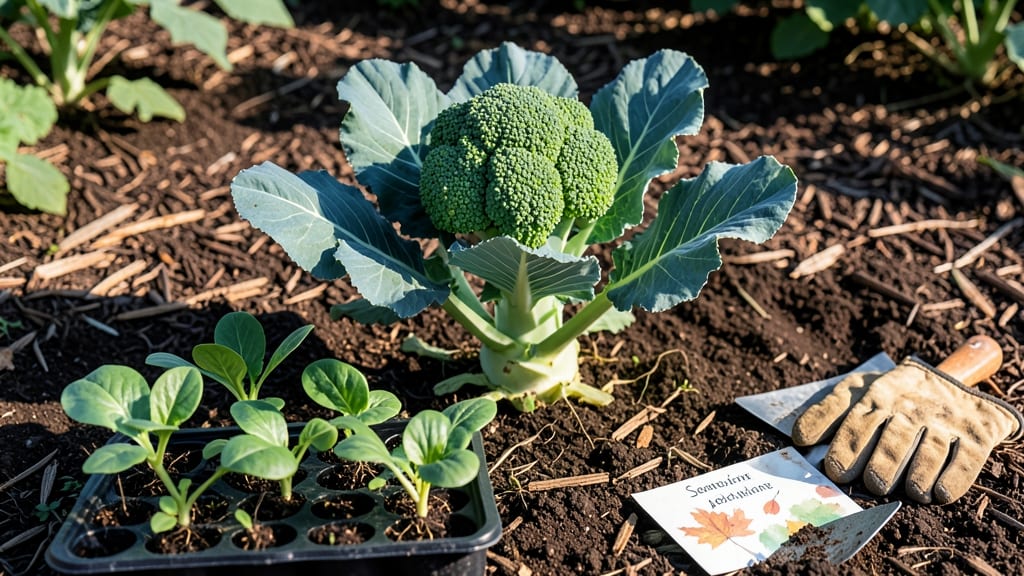
If you've ever tried when to plant broccoli in North Texas only to watch it bolt in the heat or freeze before harvest, you're not alone. The key to success isn't just luck—it's planting at the perfect times when temperatures actually cooperate with your garden.
North Texas gardeners face unique challenges with its 8a climate zone, where summer heat can turn tender broccoli into a sad, bitter memory if planted too early. But there's a sweet spot: February-March for spring crops and August-September for fall harvests that avoid the worst of the heat.
I've spent years perfecting my timing, and what I'm about to share will help you avoid common mistakes. We'll cover the exact dates, heat-tolerant varieties that actually work here, and how to stretch your growing season so you can enjoy fresh 🥦 broccoli from your garden twice a year.
Let's dive into the strategies that have helped me go from struggling with bolting plants to enjoying harvests that last from April through November—without the guesswork.
Best planting times for broccoli in North Texas: exact dates & seasonal breakdown
North Texas gardeners face unique challenges with its hot summers and cool winters, but broccoli thrives when planted at the right time. The key is avoiding summer heat stress and winter freezes—both of which can stunt growth or kill plants.
For optimal results, focus on two main planting windows: early spring and late summer.
Broccoli is a cool-season crop, meaning it grows best when temperatures stay between 55°F and 75°F. In North Texas (USDA Zone 8a), this translates to February-March for spring and August-September for fall plantings.
Summer heat will cause broccoli to bolt prematurely, while winter frosts can damage young plants.
To maximize your harvest, start seeds 4-6 weeks indoors before transplanting outdoors. For spring, this means sowing seeds in January and moving them to the garden by mid-February.
For fall, begin seeds in July and transplant by early August to ensure a harvest before the first frost (November 15).
For gardeners in urban heat islands (like Dallas or Fort Worth), broccoli may need extra care during transition months (April and October). If daytime temps creep above 80°F, provide afternoon shade with floating row covers or plant in partial shade areas.
I’ve had success growing broccoli under 50% shade cloth during these periods.
Another pro tip: Succession planting works well for fall broccoli. Instead of one big planting in August, try two smaller plantings—one in early August and another in mid-September. This stretches your harvest window and reduces the risk of losing everything to a sudden frost.
Just be sure to space plants 18-24 inches apart to allow for airflow and prevent disease.
If you’re new to broccoli growing, start with small batches to test your local microclimate. Some years, North Texas gets an early frost in October, while others drag into December.
Pay attention to your garden’s patterns and adjust planting dates accordingly. Over time, you’ll find the perfect window for your specific location.
One common mistake is planting broccoli too early in spring, when soil temperatures are still cool. Cold soil (below 50°F) slows germination and can lead to rot or stunted growth.
To avoid this, wait until soil temps reach at least 55°F before transplanting seedlings. Use a soil thermometer if you’re unsure—it’s a game-changer for timing!
Finally, don’t forget that container gardening is a great option for North Texas gardeners with limited space. Dwarf varieties like 'De Cicco' grow well in 5-gallon pots and can be moved to cooler spots during heatwaves.
Just ensure containers have drainage holes and use a lightweight potting mix to prevent overheating.
With the right timing and a little patience, you’ll be enjoying homegrown broccoli from your North Texas garden—whether it’s crisp spring heads or hearty fall harvests. Happy planting! 🌱
Best planting times for broccoli in North Texas: exact dates & seasonal breakdown
North Texas gardeners know the struggle—planting broccoli too early means bolting from summer heat, while planting too late risks frost damage before harvest. The sweet spot lies in two key windows: spring (February-March) and fall (August-September).
These timings align with your USDA Zone 8a climate, avoiding the worst heat and cold snaps.
For spring plantings, aim to sow seeds 4-6 weeks before your last frost date (typically around February 15). This gives seedlings time to mature before temperatures rise above 80°F.
Fall plantings should start 90-100 days before your first frost (around August 20), ensuring harvests before November 15 when frosts arrive.
Here's the breakdown you need to avoid common mistakes:
| Planting Window | Start Dates | Key Considerations | Harvest Window |
|---|---|---|---|
| Spring Planting | February 15 - March 15 | Soil temps >50°F, avoid bolting with shade cloth | April - May |
| Fall Planting | August 20 - September 15 | 90-100 days before first frost, use row covers | October - November |
| Extended Fall (Riskier) | September 20 - October 10 | Only for heat-tolerant varieties, protect from late heat | December (limited) |
Pro tip: Use shade cloth (30-50%) during summer months to protect seedlings from intense 100°F+ temperatures. I've found that even a light shade can prevent bolting and extend your growing window by 2-3 weeks in both spring and fall.
Remember that North Texas microclimates vary—urban areas like Dallas can be 5-10°F warmer than rural zones. If you're in a heat island, start seeds 2 weeks earlier in spring or 2 weeks later in fall to match your local conditions.
For container gardeners, these timings still apply, but use larger pots (12+ inches deep) and heat-resistant containers to prevent root stress. My 5-gallon fabric grow bags work well for fall plantings when placed in partial shade during afternoons.
Timing your broccoli plantings this way means you'll enjoy two full harvests per year—one in spring and one in fall—without the frustration of bolting or frost damage. The key is consistency: stick to these dates, and your 🥦 broccoli will thrive even in Texas heat!