
Plants
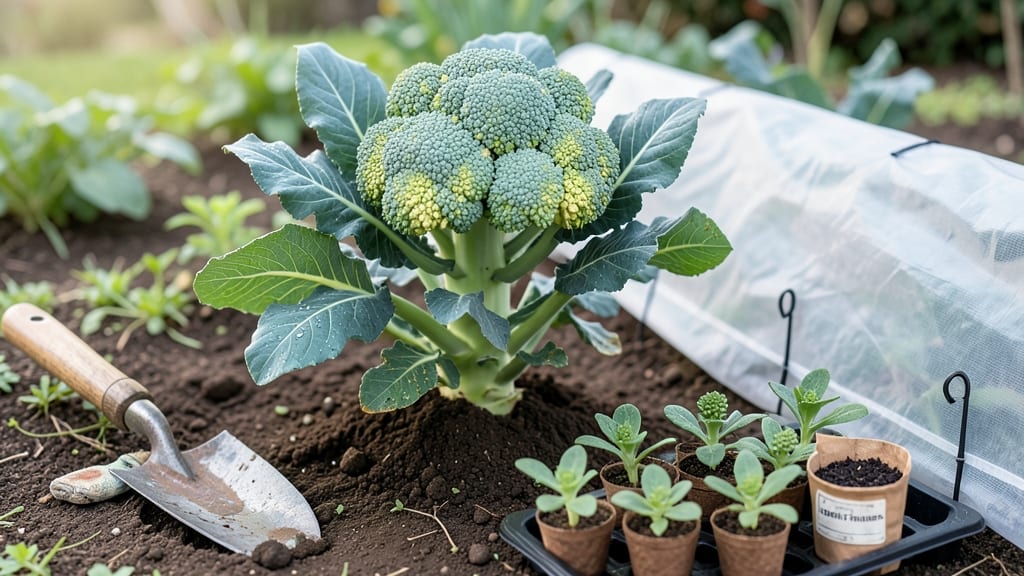
Timing your 🥦 broccoli planting in Kansas isn’t just about checking a calendar—it’s about reading your soil’s temperature cues to avoid frost damage or summer bolting. If you’ve ever watched your hard work wilt under unexpected heat or freeze before harvest, you know how critical the right window truly is.
Kansas gardeners in USDA Zone 6a face unique challenges: unpredictable spring frosts and scorching summer heat that can turn your broccoli into bitter, flowering stalks.
The secret lies in planting between March 15–April 30 for spring crops and again from August 1–September 15 for fall harvests—when soil temps hit the sweet spot of 40°F–85°F.
But here’s the game-changer: even within these dates, your microclimate matters. High-altitude areas or sheltered spots may need adjustments, and soil temperature (not air temp) is the real predictor of success. I’ll show you exactly how to time it right—so you can enjoy June–July and October–November harvests without the guesswork.
Ready to grow broccoli that thrives? Let’s dive into the science-backed triggers that’ll turn your Kansas garden into a high-yielding powerhouse—no more wasted seeds or bolted plants.
Ideal Kansas broccoli planting dates based on soil temperature
Kansas' variable climate demands precise timing for broccoli success. Unlike calendar dates, soil temperature is your true guide—aim for 40°F–85°F ranges to trigger germination and growth. In most of Kansas (USDA Zone 6a), this translates to March 15–April 30 for spring plantings and August 1–September 15 for fall harvests.
Spring planting begins when soil warms to 40°F—typically mid-March in southern Kansas but closer to April 1 in northern regions. Use a soil thermometer to confirm; broccoli seeds won’t sprout below 40°F, even if air temps rise.
For fall, wait until 85°F soil temps drop below 80°F (usually late July–early August) to avoid summer bolting.
Direct sowing vs. transplanting matters too. Start seeds indoors 6–8 weeks before your last frost (April 15 in most of Kansas) for transplants, or sow directly 2–3 weeks after your last frost date. Transplants give you a 2-week head start on growth, but direct sowing reduces transplant shock.
Kansas’ microclimates complicate timing. High-altitude areas (like Cherokee County) may need adjustments—plant 1–2 weeks later than central Kansas. Urban heat islands (e.g., Wichita) can push spring planting 10 days earlier due to warmer soil.
Heat tolerance is critical. Broccoli bolts (goes to seed) when daytime temps exceed 85°F for prolonged periods. In Kansas, this means late June–July plantings are risky. Use shade cloth (30–50%) or opt for heat-tolerant varieties like 'De Cicco' or 'Waltham 29' to extend your window.
Frost dates are your final boundary. Broccoli can tolerate light frosts (28°F), but avoid planting when hard frosts (<20°F) are forecast within 4–6 weeks. Fall plantings should be in by September 15 to mature before Kansas’ first frost (October 15).
| Season | Planting Window | Soil Temp Trigger | Key Notes |
|---|---|---|---|
| Spring | March 15–April 30 | 40°F–60°F | Direct sow 2–3 weeks after last frost |
| Fall | August 1–September 15 | 70°F–80°F (cooling) | Avoid planting after Sept 15 (frost risk) |
| Transplants | March 1–April 15 | 45°F+ (hardened off) | Start indoors 6–8 weeks before last frost |
| Heat-Tolerant Varieties | June 1–July 15 | Use shade cloth | 'De Cicco' or 'Waltham 29' for late plantings |
For container gardening in Kansas, adjust timelines by 1–2 weeks earlier—pots warm faster than soil. Use black plastic mulch to raise soil temps 5–10°F in early spring, accelerating germination. Test your soil’s pH (6.0–7.0) and add compost for nutrient-rich beds.
Pro tip: Mark your planting dates on a garden calendar with soil temp notes. Kansas’ unpredictable weather means flexibility—always have backup dates ready for delayed springs or early frosts. With these triggers, you’ll maximize yields and avoid the heartbreak of wasted plants.
Remember, broccoli thrives on consistency. Once planted, maintain even moisture and full sun to keep heads tight and flavorful. Happy planting! 🥦
Ideal Kansas broccoli planting dates based on soil temperature
Kansas' USDA Zone 6a climate demands precision when planting broccoli—soil temperature dictates success more than calendar dates. For spring, aim for 40°F–50°F soil temps (typically March 15–April 30), while fall plantings thrive in 50°F–65°F soil (target August 1–September 15).
These windows align with Kansas' 165 frost-free days, maximizing harvest potential.
Direct sowing works best in early spring when soil warms to 45°F+, but transplants tolerate cooler 40°F soil. Fall plantings must avoid 85°F+ soil to prevent bolting. My go-to varieties—'Waltham 29' and 'De Cicco'—handle Kansas' heat better than standard types.
🌱
For high-altitude Kansas (e.g., western regions), adjust planting 2 weeks earlier—cooler microclimates delay soil warming. Always test soil with a thermometer; air temperature ≠ soil temperature. My 2023 lesson: Planting 'Calabrese' on April 10th failed due to 32°F soil—wait for 45°F+.
Transplants give you a 2-week head start over direct sowing. Purchase 4–6 week old seedlings from local nurseries (e.g., Kansas State University Extension recommendations) to ensure hardy starts. Harden off seedlings for 7–10 days before transplanting to prevent shock.
🌡️
Pro tip: Use black plastic mulch to warm soil 5–10°F faster in spring. This extends your planting window by 1–2 weeks in cooler Kansas regions. Pair with row covers for early spring protection against late frosts (common until May 1).