Plants
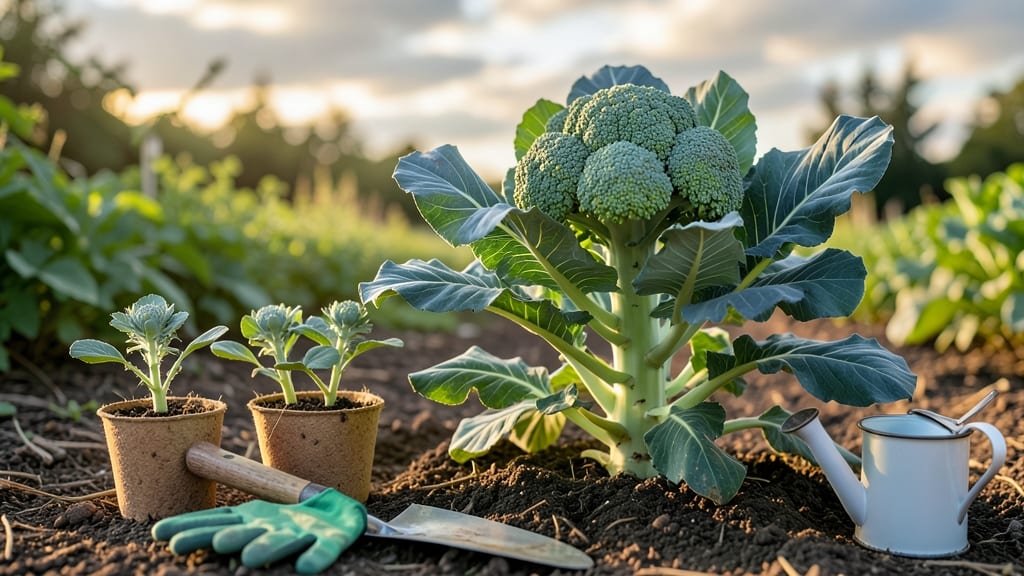
Timing your 🥦 broccoli planting in Wisconsin isn’t just about the calendar—it’s about outsmarting frost, heat, and the state’s famously fickle spring weather. Plant too soon, and a late frost will turn your tender seedlings into sad, wilted memories.
Wait too long, and summer’s sweltering heat will send your broccoli bolting before you even get a harvest.
If you’ve ever stared at your garden calendar wondering, "When exactly should I plant broccoli in Wisconsin?"—you’re not alone. The key lies in understanding your local frost dates and choosing the right varieties that thrive in Wisconsin’s USDA Zone 5a.
With the right approach, you can enjoy fresh, homegrown broccoli from late summer all the way through fall.
I’ll walk you through the exact planting windows for both spring and fall crops, plus the cold-hardy varieties that perform best in Wisconsin’s climate. Whether you’re a first-time gardener or a seasoned green thumb, these tips will help you avoid common pitfalls and maximize your harvest.
Ready to grow broccoli that’s bold, healthy, and ready to harvest? Let’s dive into the best times to plant, how to prep your soil, and which varieties will give you the most success in Wisconsin’s unpredictable growing season.
Wisconsin broccoli planting calendar: best months by region
Wisconsin’s USDA zones 5a-6a mean broccoli planting requires precision—miss the window, and you risk frost damage or premature bolting. The key is planting 4-6 weeks before your last frost date (typically mid-May in most regions) or 80-100 days before the first frost (around mid-October) for a fall harvest.
Let’s break it down by region to maximize your yield.
For Milwaukee and southern Wisconsin, where springs arrive slightly earlier, start broccoli seeds indoors 4-6 weeks before last frost (early April) or transplant hardened-off seedlings in mid-April to early May.
Northern areas like Green Bay and the Fox Valley should wait until late April to mid-May due to later frost dates. Rural areas with cooler microclimates may need to delay until early June.
Don’t forget about fall planting! In late July to early August, sow seeds or transplants for a late fall harvest before Wisconsin’s first frost. This second crop is often more productive because summer heat has passed, and days grow shorter—perfect for broccoli’s growth cycle.
| Region | Spring Planting Window | Fall Planting Window | Key Notes |
|---|---|---|---|
| Milwaukee/Southern WI | Mid-April (seeds indoors) / Early May (transplants) | Late July to early August | Warmer microclimates; watch for early bolting in heat |
| Madison/Central WI | Late April (seeds) / Early May (transplants) | Early to mid-August | Moderate climate; ideal for succession planting |
| Green Bay/Northern WI | Early May (seeds) / Late May (transplants) | Mid-August to early September | Cooler temps delay bolting; use row covers for early starts |
| Rural/Northwest WI | Late May (seeds) / Early June (transplants) | Late August | Shortest season; choose fast-maturing varieties |
If you’re planting seeds directly outdoors, aim for 2-3 weeks after your last frost date to avoid cold soil, which can stunt germination. For transplants, wait until soil temperatures reach at least 45°F—use a soil thermometer to check!
In northern Wisconsin, where frosts linger, opt for cold-hardy varieties like ‘Waltham 29’ or ‘Calabrese’ to survive light frosts.
For a successive harvest, stagger plantings every 2-3 weeks from April to July. This ensures a steady supply of broccoli heads throughout the summer and into fall.
In Milwaukee’s urban gardens, container-growing works well—just use 5-gallon pots and plant 2-3 weeks later than ground plantings to account for heat absorption.
Pro tip: Use floating row covers to extend your spring planting window by 2-3 weeks. These lightweight fabrics protect seedlings from late frosts (28°F) while allowing sunlight and water through. Remove covers when plants are established to prevent overheating.
Wisconsin’s 165 frost-free days are tight for broccoli’s 70-90 day maturity, so prioritize fast-maturing varieties (under 60 days) for northern regions. In Madison and southern areas, you can afford slightly slower varieties like ‘Packman’ or ‘Belstar,’ which produce larger heads but take 70-80 days to harvest.
Remember: Soil temperature matters more than air temperature. Use a soil thermometer to confirm 50°F+ before planting seeds—cold soil delays germination and invites rot. In Green Bay’s cooler climate, wait until soil warms to 55°F for optimal growth.
For a second fall crop, plant late July to early August to harvest before Wisconsin’s mid-October frost. Choose heat-tolerant varieties like ‘De Cicco’ to handle summer’s residual heat while still maturing before cold sets in.
Cold-hardy broccoli varieties that excel in Wisconsin’s late spring
Wisconsin’s short growing season and late spring frosts demand broccoli varieties that thrive under pressure. Not all broccoli is created equal—some varieties bolt in heat, while others wilt under frost.
The key is selecting cold-tolerant cultivars with disease resistance and quick maturity to beat Wisconsin’s unpredictable weather. Here are my top 5 picks for your garden.
For early spring planting (March–April), prioritize varieties that tolerate light frosts down to 25°F. Look for labels like “early maturity” or “cold-hardy,” as these finish before summer heat sets in.
My go-to is ‘De Cicco’, a classic Italian heirloom that handles late frosts while delivering tight, flavorful heads in just 55–65 days. It’s also resistant to black rot, a common Wisconsin pest.
🥦 Top 5 Wisconsin Broccoli Varieties
| Variety | Days to Maturity | Cold Tolerance | Key Feature |
|---|---|---|---|
| De Cicco | 55–65 | 25°F | Early, frost-resistant, Italian flavor |
| Waltham 29 | 60–70 | 28°F | Disease-resistant, large heads |
| Green Magic | 50–60 | 30°F | Compact, heat-tolerant, great for containers |
| Packman | 55–65 | 25°F | Hybrid, bolt-resistant, high yield |
| Calabrese | 70–80 | 32°F | Large heads, late-season harvest |
If you’re planting for a fall harvest (July–August), opt for varieties with longer maturity times (70–80 days) to avoid bolting before frost. ‘Calabrese’ is my favorite for late-season planting—its large, blue-green heads mature just in time for October harvests before hard frosts hit.
Pair it with ‘Waltham 29’ for a disease-resistant backup that thrives in Wisconsin’s humid summers.
For container gardening or small spaces, ‘Green Magic’ is a game-changer. This compact hybrid matures in 50–60 days and tolerates 30°F, making it ideal for balconies or raised beds.
Its smaller size (18–24 inches tall) also reduces wind damage—a plus in Wisconsin’s blustery springs. Plant it 12–18 inches apart in well-draining soil mixed with compost for best results.
Pro tip: Always check seed packets for “days to maturity” and cold tolerance ratings. In Wisconsin, subtract 10–15 days from the maturity timeline if planting in northern regions (e.g., Green Bay) to account for shorter summers.
For example, a 60-day variety in Madison might take 70 days in Wausau due to cooler temps.
Finally, rotate your broccoli varieties yearly to prevent soil-borne diseases like club root, which thrives in Wisconsin’s cool, wet springs. Pair broccoli with companion plants like dill or onions to deter pests like cabbage moths.
With the right variety and timing, you’ll enjoy homegrown broccoli from June through October—no guessing game required! 🌱