
Plants
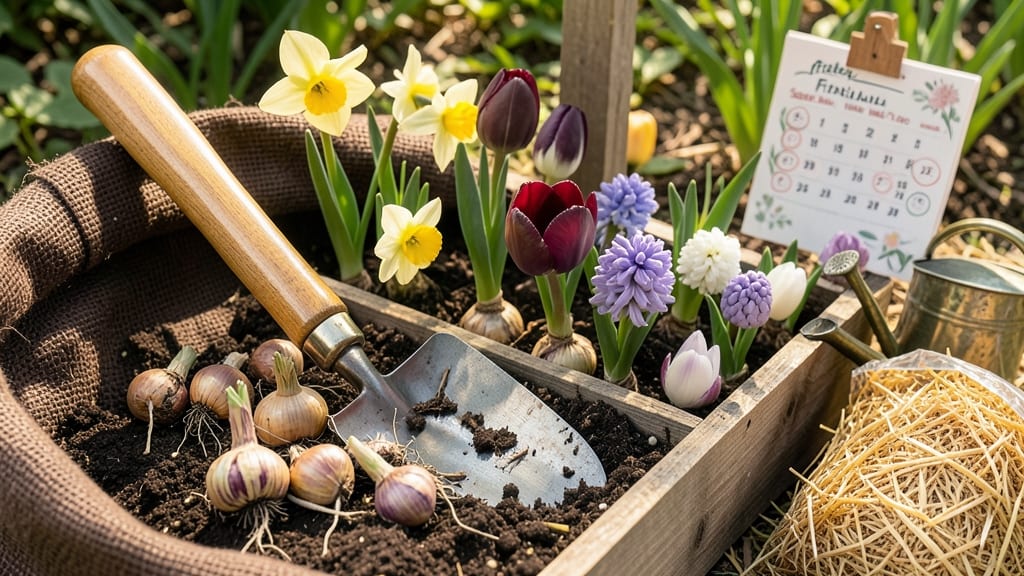
Planting bulbs in Florida isn't just about throwing them in the ground—it's about timing them perfectly to beat the heat and humidity. With 8a-11 zones and year-round warmth, most gardeners assume bulbs won't thrive here, but that's far from the truth.
The secret lies in choosing the right varieties and planting them during Florida's cooler windows, like September-November or February-March.
If you've ever wondered why your bulbs fizzle out in Florida's summer heat, you're not alone. Traditional spring-blooming bulbs like tulips often struggle, but heat-tolerant alternatives like rain lilies or spider lilies are designed to handle our climate.
I'll show you exactly when to plant each type for stunning blooms, whether you're in North, Central, or South Florida.
Let's cut through the confusion—no more guessing games about frost dates or soil prep. You'll learn how to prepare your soil, pick the best bulbs for your zone, and avoid common mistakes that waste time and money. Ready to transform your garden with bold, vibrant blooms that actually last?
From avoiding summer heat stress to maximizing drainage in Florida's clay-heavy soil, this guide covers everything you need to know. Whether you're a beginner or a seasoned gardener, these tips will help you plant bulbs like a pro and enjoy a garden that blooms year-round.
Best months to plant bulbs in Florida by type (heat-tolerant guide)
Florida’s climate is unique—no frost in most areas, but intense summer heat and humidity. This means traditional fall-planted bulbs (like tulips) often fail, while heat-tolerant varieties thrive with the right timing.
The key? Plant bulbs when soil temps stay below 80°F and avoid summer’s scorching heat. Below is your Florida-specific planting schedule for spring, summer, and fall bloomers.
For spring-blooming bulbs (e.g., rain lilies, spider lilies), aim for September–November planting. These bulbs need 6–8 weeks of cool soil to root before Florida’s mild winters. In North Florida (Zones 8a–9a), plant by November 1 to avoid early frost risks.
In South Florida (Zones 10a–11), you can plant as late as December—just ensure soil temps are below 75°F.
Summer-blooming bulbs (like amaryllis or crinum lilies) are your best bet for Florida’s heat. Plant these February–March for summer/winter blooms. These varieties handle Florida’s humidity and 90°F+ temps better than traditional bulbs. Avoid planting in summer (June–August)—the heat stresses bulbs before they can establish roots.
Fall/winter bloomers (e.g., paperwhite daffodils) can be planted August–September for winter holidays. These bulbs tolerate Florida’s mild winters and often rebloom in spring. The trick? Use well-draining soil to prevent rot from Florida’s frequent rains.
Here’s your Florida bulb planting calendar by type, including heat-tolerant alternatives to traditional bulbs:
| Bulb Type | Best Planting Months | Florida-Specific Notes | Heat Tolerance |
|---|---|---|---|
| Spring Bloomers (Rain Lilies, Spider Lilies) | September–November | Naturalize in well-draining soil; avoid waterlogged areas. | ✅ High (90°F+) |
| Summer Bloomers (Amaryllis, Crinum Lilies) | February–March | Plant in full sun; mulch to retain moisture. | ✅ Very High (100°F+) |
| Fall/Winter Bloomers (Paperwhite Daffodils) | August–September | Ideal for containers; use fast-draining mix. | ⚠️ Moderate (up to 85°F) |
| Traditional Bulbs (Tulips, Hyacinths) | ❌ Avoid (unless in Zone 8a) | Need cool winters; most fail in Florida’s heat. | ❌ Low (max 70°F) |
Pro tip: Use mulch (2–3 inches) after planting to insulate roots and retain moisture during Florida’s dry spells. For container-grown bulbs, choose pots with drainage holes and a fast-draining mix to prevent rot.
In North Florida (Zones 8a–9a), watch for unexpected frosts in January. If a frost warning hits, cover bulbs with burlap or a frost cloth. In South Florida (Zones 10a–11), focus on shade protection in summer to prevent heat stress.
Remember: Florida’s humidity means bulbs need better airflow than in drier climates. Space bulbs 3–6 inches apart and avoid planting in low-lying areas where water pools. With the right timing and care, your Florida garden can burst with year-round blooms—no frost required!
🌱
Common mistakes to avoid when planting bulbs in Florida
Even experienced gardeners can make costly mistakes when planting bulbs in Florida’s warm climate. One of the biggest errors is planting traditional spring bulbs like tulips in summer—they’ll bake in the heat and never bloom.
Florida’s humidity and sandy soil also create unique challenges, like poor drainage or fungal diseases if bulbs sit too wet.
Another common mistake is ignoring planting depth. In Florida’s loose soil, bulbs often get buried too shallow, leaving them vulnerable to drought or wildlife. Meanwhile, planting too deep can suffocate roots, especially for heat-sensitive varieties like daffodils. Let’s fix these issues with actionable tips to ensure your bulbs thrive.
🌱
⚠️ Critical Mistake: Planting at the Wrong Time
Problem: Planting spring-blooming bulbs in summer (June-August) causes heat stress, while planting fall/winter bulbs too early (before September) risks rot in Florida’s humidity.
Solution: Stick to September-November for fall bulbs or February-March for spring bloomers. Avoid summer planting entirely.
Many gardeners also overlook soil preparation. Florida’s native soil is often heavy clay or sandy, which drains poorly or holds too little moisture. Amending with compost or organic matter is essential, but skipping this step leads to weak roots and stunted growth.
Even the hardiest bulbs, like spider lilies, need well-aerated soil to survive.
Finally, choosing the wrong bulb variety is a silent killer. Popular northern bulbs like crocuses or hyacinths struggle in Florida’s heat. Instead, opt for native or tropical varieties like rain lilies or crinum lilies, which are bred to handle humidity and occasional drought.
Always check the plant tag for heat tolerance ratings before buying.
To avoid these pitfalls, I’ve created a quick