
Plants
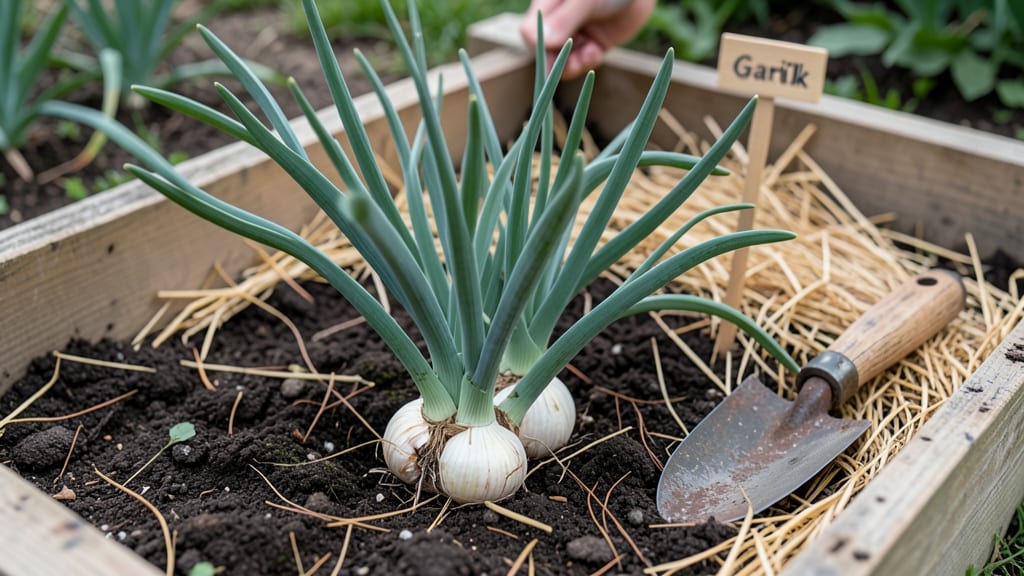
Timing your garlic 🧄 planting in South Florida isn’t just about following a calendar—it’s about outsmarting the heat before it turns your cloves into bitter bolts.
Unlike cooler climates where fall planting is foolproof, Florida’s frost-free zones demand a different approach, or you’ll end up with flower spikes instead of plump bulbs.
Here’s the game-changer: Planting between October and November gives your garlic the ideal window to establish roots before summer’s relentless sun. But even then, the wrong variety or a misstep in soil prep can send your crop racing toward bolting—something no gardener wants.
Let’s break down the exact steps to grow heat-resistant garlic that thrives in zones 10a-11.
You’ll discover which garlic types actually perform in Florida’s subtropical climate, how to time your planting for maximum yield, and the simple tricks to keep your crop cool during the hottest months. No more guesswork—just flavorful, bolt-free garlic from your own garden.
Ready to skip the store-bought and grow your own? Let’s get started with the perfect planting schedule and varieties that’ll make your neighbors jealous.
Best planting months for South Florida garlic: avoiding bolting in extreme heat
Unlike northern climates where garlic thrives in cold winters, South Florida’s frost-free zone (10a-11) demands a completely different approach. Traditional fall planting often fails here because garlic bolts prematurely when soil temperatures stay above 70°F (21°C) for too long.
The key? Plant when daytime highs dip below 80°F (27°C) but nights stay warm enough to avoid chilling stress.
For zero bolt risk, aim for October through early November—this gives your cloves 6-8 months of cool-season growth before summer heat triggers flowering. Planting in September is possible in shaded beds, but expect smaller yields. December is your last safe window if you miss the October rush.
Here’s why timing matters: Garlic needs 120-180 days of cool weather to bulk up bulbs. In South Florida, that means avoiding spring planting entirely—by March, temperatures climb too fast, and your garlic will bolt into bitter flowers before you harvest.
Even winter planting requires shade cloth if daytime temps exceed 75°F (24°C).
Pro Tip: Check your local frost-free date (though South Florida rarely sees frost). Instead, track soil temps—ideal planting soil should be 60-70°F (15-21°C). Use a soil thermometer or follow your county extension service’s heat advisories.
| Planting Window | Soil Temp | Daytime Highs | Bolting Risk | Harvest Window |
|---|---|---|---|---|
| October 1-15 | 60-70°F (15-21°C) | 75-85°F (24-29°C) | Low | April-June |
| October 16-31 | 65-75°F (18-24°C) | 80-88°F (27-31°C) | Moderate | May-July |
| November 1-15 | 60-70°F (15-21°C) | 75-82°F (24-28°C) | Low | June-August |
| December (shaded beds only) | 55-65°F (13-18°C) | 70-78°F (21-26°C) | High (use shade) | August-September |
🌱 Best Yields: October 1-15 | Last Chance: November 1-15
If you miss the October-November window, don’t despair—you can still grow garlic in South Florida with shade cloth (30-50% block) or by choosing heat-tolerant varieties like 'California Early' or 'Artichoke'. These hold up better to 85°F (30°C) daytime temps but still need partial afternoon shade to avoid bolting.
For container growers, spring planting in March is risky but possible with black plastic mulch to insulate roots. Monitor soil temps closely—if they rise above 75°F (24°C) for more than 2 weeks, your garlic will bolt into seed stalks, ruining the bulb.
Remember: Garlic hates heat stress. The goal is to keep soil temps between 55-75°F (13-24°C) during active growth. Use straw mulch (4-6 inches) to insulate roots from Florida’s hot, humid summers. This simple trick can extend your harvest window by 4-6 weeks.
For year-round garlic, try successive planting: Start with October cloves, then add December and February batches in shaded areas. This way, you’ll always have fresh garlic without the risk of bolting. Just be prepared to harvest smaller bulbs from
Best planting months for South Florida garlic: avoiding bolting in extreme heat
South Florida’s frost-free winters and relentless summer heat turn traditional garlic-growing advice on its head. While Northern gardeners plant in fall for spring harvests, Florida’s USDA zones 10a-11 demand a different strategy. Plant too early, and your cloves will bolt—shooting up into bitter flower stalks instead of forming bulbs.
The key? Timing your planting to align with cooler months while avoiding the heat’s worst onslaught.
For foolproof results, aim to plant between mid-October and November. This window gives your garlic 8-10 weeks of cooler temperatures to establish roots before summer’s heat ramps up.
Think of it as a race against the clock: Your goal is to have bulbs mature by April or May, before the real heat sets in.
Here’s the critical detail: Soil temperatures matter more than air temps. Garlic thrives when soil stays between 60-70°F. In South Florida, this means avoiding September (too hot) and December-January (risk of fungal diseases from excess moisture).
The sweet spot? Plant when daytime highs hover around 80°F and nights dip into the 60s.
| Planting Window | Soil Temp Goal | Air Temp Range | Bolting Risk |
|---|---|---|---|
| Mid-October | 65-70°F | 75-85°F | Low |
| November | 60-68°F | 70-80°F | Very Low |
| Early December | 58-65°F | 65-75°F | Moderate (fungal risk) |
*Bolting risk increases with higher soil temps above 75°F
Pro tip: Use a soil thermometer to check temps before planting. Stick it in your garden bed at midday—if it reads above 75°F, wait a week or two.
I’ve learned this the hard way: One year, I planted in late September, and by February, my garlic was already sending up flower stalks instead of bulbs. Heartbreaking!
For gardeners in Miami-Dade or Palm Beach, where humidity spikes in summer, consider a second planting in late January. This gives you a harvest window in June or July, just before the next heatwave. Just be prepared to provide afternoon shade during the hottest months.
Remember: The goal isn’t just to plant garlic—it’s to grow bold, flavorful bulbs that store well. With the right timing, you’ll skip the store-bought variety and enjoy garlic that’s sweeter, larger, and packed with local pride. 🌱