
Plants
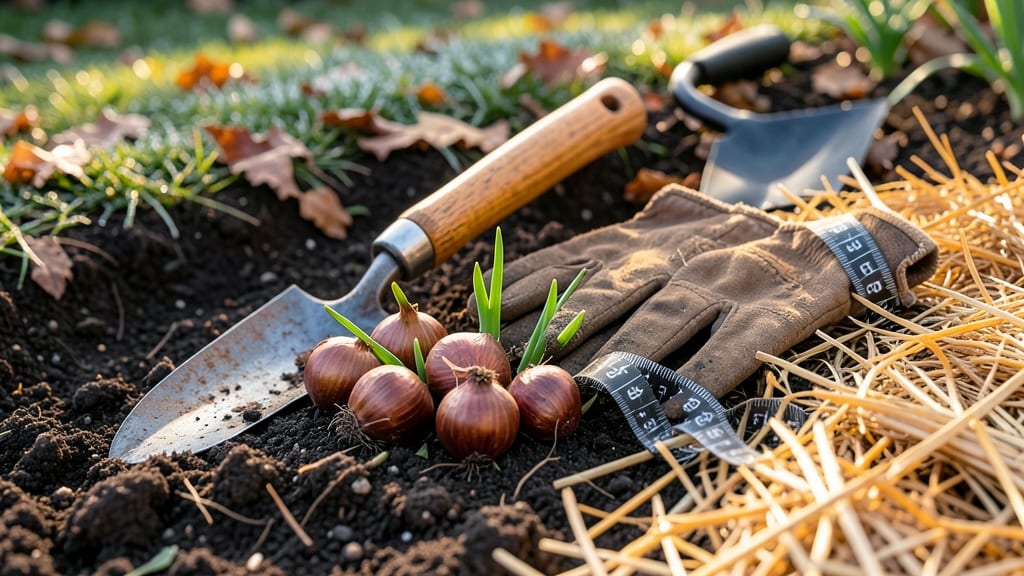
Timing your bulbs (General) 🌷 planting in New Jersey can mean the difference between a showstopping spring garden and a sad, frost-killed disappointment. One wrong move—planting too early or too late—and those tulips and daffodils you’ve been dreaming about might never bloom.
But here’s the good news: with the right schedule, you can guarantee vibrant blooms year after year, even in NJ’s tricky 6a-7b climate.
Most gardeners know fall is the prime time, but did you know the exact window in NJ runs from October through November? That’s when soil temps drop just enough to trigger bulb dormancy while still allowing roots to establish before winter.
Spring planting is also an option, but it’s trickier—you’ve got to get those bulbs in the ground after the last frost (usually by mid-April) to avoid stunted growth.
What makes NJ unique? Coastal areas like Cape May can plant a little earlier than inland spots, and soil prep matters just as much as timing.
We’ll walk you through the 5 critical steps to set your bulbs up for success, from soil amendments to deer deterrents, so you’re not just guessing—you’re strategizing for a garden that steals the show.
Ready to stop second-guessing and start planting with confidence? Let’s break down the exact months for every bulb variety, plus NJ-specific adjustments that’ll make your spring garden the envy of the neighborhood.
Best NJ planting months for spring-blooming bulbs by variety
New Jersey’s USDA zones 6b-7a create a tight window for planting spring-blooming bulbs—typically October through November for fall planting, with a backup window in early March if you miss the fall deadline. The key?
Planting 6-8 weeks before the ground freezes (usually late November) to give roots time to establish before winter. For coastal areas like Cape May, you can start as early as mid-September, while inland zones like Morris County should wait until late October.
Most gardeners focus on tulips, daffodils, and crocuses for their reliable spring displays, but hyacinths and alliums also thrive in NJ’s climate. The secret to success lies in matching each variety’s chilling requirements with your local frost dates.
For example, daffodils (Narcissus) need 12-16 weeks of cold, while tulips (Tulipa) prefer 14-18 weeks—both perfect for NJ’s winters.
Here’s your exact planting schedule by variety, accounting for NJ’s coastal vs. inland microclimates and common frost dates:
| Variety | Ideal Planting Month (NJ) | Chilling Needs | Notes for NJ Gardeners |
|---|---|---|---|
| Daffodils (Narcissus) | October 15–November 15 | 12–16 weeks below 40°F | Deer-resistant; plant in well-drained soil to prevent rot. |
| Tulips (Tulipa) | October 1–November 10 | 14–18 weeks below 40°F | Best in full sun; replace every 3–4 years for best blooms. |
| Crocuses (Crocus) | September 15–October 15 | 8–12 weeks below 40°F | Early bloomers; great for woodland gardens or under trees. |
| Hyacinths (Hyacinthus) | October 10–November 5 | 14–16 weeks below 40°F | Fragrant but deer magnets—plant in containers if pests are an issue. |
| Alliums (Allium) | October 1–November 10 | 10–14 weeks below 40°F | Drought-tolerant; cut back foliage after blooms fade. |
If you’re in coastal NJ (zones 7a-7b), like Ocean City or Cape May, you can push planting dates 2–3 weeks earlier thanks to milder winters. Inland areas (e.g., Morris or Sussex Counties) should wait until late October to avoid early freezes.
Pro tip: Use the NJ State Climate Office’s frost calculator to pinpoint your local last-frost date—this is your deadline for fall planting.
For spring planting (a backup option), aim for early March once soil temperatures rise above 50°F. This works best for daffodils and alliums, which tolerate cooler spring soils better than tulips.
Just be prepared for smaller blooms compared to fall-planted bulbs, as they won’t get the full winter chilling period.
One common mistake NJ gardeners make? Planting too shallowly—bulbs need depth equal to 2–3x their height to survive winter. For example, a 2-inch tulip bulb should be planted 6 inches deep.
Shallow planting exposes bulbs to freeze-thaw cycles, which can damage or kill them. Use a bulb planter or your finger to dig holes to the correct depth.
Don’t forget to fertilize after planting with a low-nitrogen bulb food (like 5-10-10) to encourage root growth before winter. Skip high-nitrogen fertilizers—they promote foliage at the expense of bulb strength. And if you’re in a deer-heavy area, consider planting daffodils or
How to adjust planting dates for NJ’s microclimates
New Jersey’s coastal and inland regions experience wildly different frost patterns—Cape May might still have mild October soils while Morris County sees early freezes. This means your planting window could shift by 3-4 weeks depending on location. Understanding these microclimate differences lets you time bulb planting with precision.
For example, coastal NJ (zones 7a-7b) often allows planting tulips and daffodils as early as late September, while inland areas (zones 6a-6b) should wait until mid-October. The key is tracking soil temperatures—bulbs need 60°F soil to root before winter sets in.
🌱 Visual Guide: NJ Microclimate Planting Zones
| Region | USDA Zone | First Frost Avg. | Ideal Planting Window | Soil Temp Goal |
|---|---|---|---|---|
| Coastal (Cape May, Atlantic City) | 7a-7b | Nov 15 | Late Sept–Oct 15 | 60°F+ |
| Central (Trenton, NJ Turnpike) | 6b-7a | Nov 1 | Oct 1–Oct 31 | 55°F+ |
| Inland (Morris, Sussex) | 6a-6b | Oct 25 | Oct 15–Nov 1 | 50°F+ |
Use a soil thermometer ($10 at garden centers) to verify readiness—plant when temps stay above 50°F for 10+ days. Pro tip: Cooler microclimates (like high elevation in Sussex County) may need earlier planting to avoid early freezes.
For spring planting (March–April), coastal areas can start 2 weeks earlier than inland zones. Check your last frost date via the NJ State Climate Office—their interactive maps adjust for elevation and urban heat islands.
If you’re unsure, err on the side of later. Bulbs planted too early in cold soils rot before rooting, while late plantings still thrive if soil isn’t frozen. Hyacinths and alliums are the hardiest for pushing limits—try them if your zone borders 6a.
🌿 For extra insurance, mulch with 4–6 inches of straw after planting to insulate bulbs from temperature swings—critical in NJ’s unpredictable fall weather.