
Plants
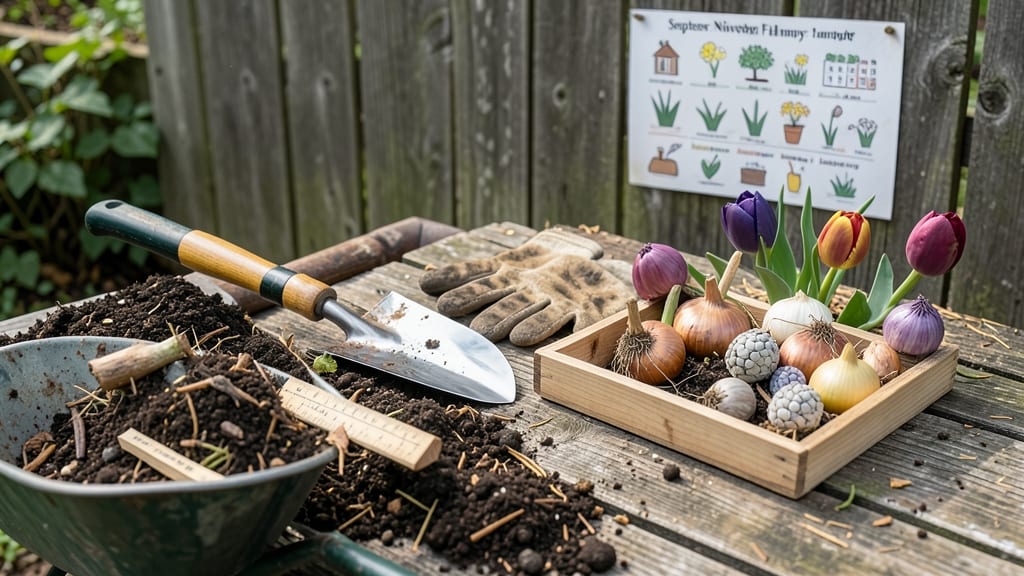
Timing when to plant bulbs in SC can mean the difference between a garden bursting with color and one that never blooms. The perfect months to plant—like September through October—align with the region's mild winters, but get it wrong, and your bulbs might rot or fail to thrive.
I’ve seen firsthand how a few weeks can change everything—whether it’s daffodils peeking through in April or tulips struggling to take root. South Carolina’s USDA Zone 8a climate gives you a unique advantage, but even here, soil prep and frost dates play a critical role in success.
In this guide, I’ll break down the ideal planting windows for your favorite bulbs, from classic tulips to hardy crocuses, and share pro tips to beat South Carolina’s humid summers and sandy soils.
Whether you’re a seasoned gardener or just starting, you’ll learn how to plant for bold, long-lasting color that makes your garden the envy of the neighborhood.
Ready to transform your yard into a springtime spectacle? Let’s get those bulbs in the ground at the right time—and keep them blooming year after year.
Best months to plant spring-flowering bulbs in South Carolina (fall planting guide)
South Carolina gardeners know that fall planting is the golden window for spring-blooming bulbs like tulips, daffodils, and hyacinths. With USDA Zones 7-8, our mild winters give bulbs just enough chill to bloom spectacularly—if planted at the right time.
Miss the window, and you’ll miss the show!
For coastal SC (Zone 8), aim to plant by mid-October—warmer soils mean bulbs rot faster if planted too late. Inland Piedmont areas (Zone 7), you’ve got until early November before frost sets in. Both regions should start prepping soil in late August to ensure drainage and warmth.
Here’s the exact timeline for peak success, tailored to SC’s climate quirks:
| Bulb Variety | Ideal Planting Month | Depth (inches) | Spacing (inches) | Bloom Time |
|---|---|---|---|---|
| Daffodils | September–October | 6–8 | 4–6 | March–April |
| Tulips | October–November | 6–8 | 4–6 | April–May |
| Hyacinths | September–October | 6–8 | 4–5 | March–April |
| Crocuses | September–October | 3–4 | 3–4 | February–March |
| Alliums | October–November | 6–8 | 6–8 | April–May |
Notice how daffodils and hyacinths get planted earlier? That’s because they need 6–8 weeks of cool soil to root before winter. Tulips, however, handle slightly later planting—perfect for Piedmont gardeners who wait until November.
Pro tip: Use a soil thermometer to aim for 60°F soil temps—ideal for root growth.
For coastal SC gardeners, late October is your cutoff. If you’re in Charleston or Hilton Head, warmer microclimates can push planting into early November, but bulbs may need extra mulch to insulate them. Always check your local frost dates—SC’s can vary by 2–3 weeks between regions!
One common mistake? Planting too shallow. In sandy Lowcountry soil, bulbs can dry out, while clay-heavy Piedmont soil risks rot if planted too deep. Aim for 3x the bulb’s height in depth—so a 2-inch daffodil bulb goes 6 inches deep.
Add compost or sand to improve drainage if your soil is heavy.
After planting, cover bulbs with 2–3 inches of mulch (straw or pine needles work well). This protects them from freeze-thaw cycles and keeps soil temps stable. In Zone 8 coastal areas, you might even see early blooms in February—a sure sign your timing was perfect!
Don’t forget: Spring-blooming bulbs need 6–8 weeks of chill to trigger flowering. If you’re in a warmer microclimate (like near Savannah), consider pre-chilling bulbs in your fridge for 8–10 weeks before planting in December
Fall vs. spring planting: which bulbs thrive when in South Carolina?
Not all bulbs follow the same planting rules in South Carolina. While most spring-flowering favorites like tulips and daffodils need fall planting, some varieties—like rain lilies or caladiums—thrive when planted in spring.
Understanding these differences can double your garden’s blooms without extra work. Let me break down the best options for each season.
In South Carolina’s USDA Zone 8a, fall planting (September–October) is ideal for classic bulbs that need a cold period to bloom. But spring planting (February–March) works for heat-loving varieties that can’t handle winter’s chill. The key is matching the bulb’s native climate to your local frost dates.
Here’s a quick guide to help you decide: Tulips, hyacinths, and crocuses must go in fall, while gladiolus, cannas, and rain lilies can wait until spring. Even within these groups, timing tweaks matter—like planting daffodils in fall but lilies in spring for coastal areas with milder winters.
Fall Planting (September–October)
- Perfect for tulips, daffodils, hyacinths
- Bulbs establish roots before winter
- Spring blooms guaranteed with proper care
- Risk of rot in soggy soil (SC’s humid winters)
- Must plant 6–8 weeks before frost (late Oct for most of SC)
- Not ideal for heat-loving bulbs
Spring Planting (February–March)
- Great for rain lilies, cannas, gladiolus
- Avoids winter frost damage for tender bulbs
- Works in coastal SC (warmer microclimates)
- Missed spring blooms for classic bulbs
- Requires consistent summer watering
- Some bulbs (like tulips) may not rebloom
For South Carolina gardeners, the choice often comes down to your garden’s microclimate. In the Upstate (cooler), fall planting is non-negotiable for tulips. But in the Lowcountry (warmer), you can push spring planting later—even into April for heat-tolerant bulbs like dahlias. Always check your local frost dates!
Pro tip: If you’re unsure, plant a mix—some bulbs in fall for spring color and others in spring for summer blooms. My Lowcountry garden thrives with this strategy, giving me flowers from March through October with minimal effort. Just remember: Soil prep matters just as much as timing!
Need a quick reference? Bookmark this: Fall = classic bulbs; Spring = tropical/heat-loving bulbs. Now go plant with confidence—your SC garden will thank you next season! 🌷