
Plants
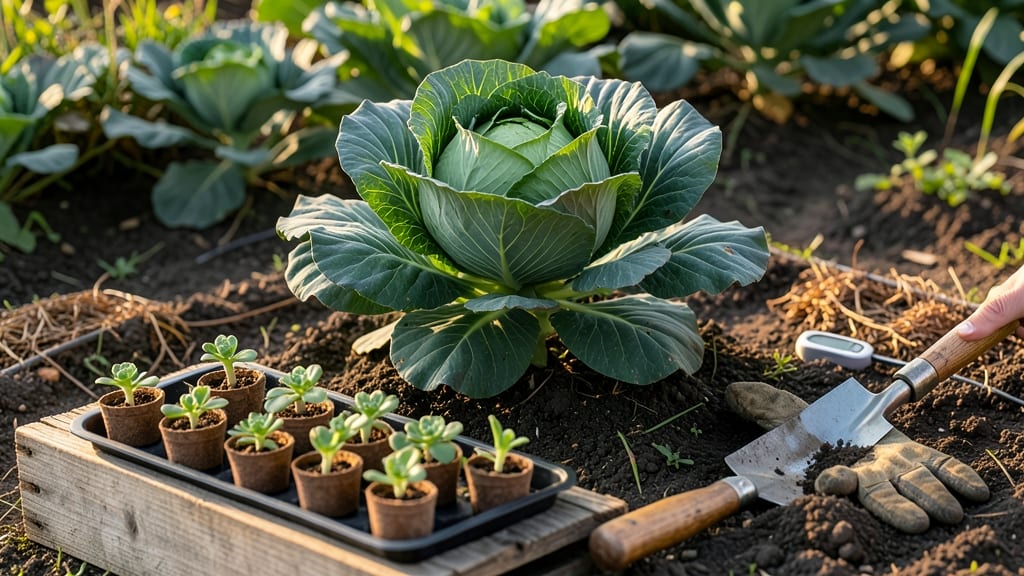
Knowing when to plant cabbage in Kentucky is the difference between a bumper crop of crisp 🥬 and a sad, bolted mess. The Bluegrass State’s unpredictable swings from chilly springs to scorching summers mean timing matters more than ever—plant too early, and heat sends your cabbage into early flowering mode.
Most Kentucky gardeners swear by two planting windows: early spring (March-April) and late summer (August-September). But here’s the catch: your USDA 6a-7b zone demands precision. Skip the guesswork and I’ll walk you through the exact months for each variety, plus how to adjust for Kentucky’s microclimates.
Why does this matter? Because a well-timed planting means zero-bolt heads, fewer pests, and harvests that last from June through November. Let’s dive into the calendar that’ll have your cabbage thriving when others are struggling.
You’ll discover how to beat Kentucky’s heat waves, when to start seeds indoors, and which varieties handle our summers best. Trust me—your future crisp, homegrown 🥬 is waiting for the right timing.
Kentucky cabbage planting calendar by variety: spring vs fall timing
Timing is everything when growing cabbage in Kentucky. The Bluegrass State’s USDA zones 6a-7b create a unique challenge—hot summers can cause bolting, while early frosts ruin tender heads.
To avoid these pitfalls, I’ve broken down the optimal planting windows by variety, accounting for Kentucky’s last frost date (March 15) and first frost (November 15).
For spring cabbage, focus on early varieties like Golden Acre or Savoy, which mature quickly (60-75 days). Fall plantings should prioritize heat-tolerant varieties like Red Express or Copenhagen Market, which handle Kentucky’s summer heat better. Let’s dive into the exact months and varieties that work best.
📅 Spring Planting (March–April) is your best bet for a June–July harvest. Start seeds indoors 4–6 weeks before the last frost (around February 15) or sow directly into well-draining soil once temperatures stabilize above 50°F (10°C). This timing ensures heads form before summer’s 90°F+ (32°C+) heat triggers bolting.
🍂 Fall Planting (August–September) extends your harvest into October–November. Plant seeds 10–12 weeks before the first frost (around August 15) for a late-season crop. Use shade cloth if summer temperatures linger above 85°F (29°C) to prevent stress.
🥬 Kentucky Cabbage Planting Comparison
| Variety | Spring Planting Window | Fall Planting Window | Days to Maturity | Best For |
|---|---|---|---|---|
| Golden Acre | March 1–April 15 | August 1–15 | 60–70 days | Early harvest, heat-sensitive |
| Savoy | March 15–April 30 | August 15–September 10 | 75–90 days | Crinkled leaves, late summer |
| Red Express | April 1–15 (late) | August 15–September 15 | 70–80 days | Heat-tolerant, storage-friendly |
| Copenhagen Market | March 15–April 1 | September 1–15 | 80–90 days | Large heads, fall harvest |
*Adjust dates 1–2 weeks earlier for Appalachian highlands or later for Bluegrass Region.
For spring plantings, aim to transplant seedlings into the garden when soil temperatures reach 45–50°F (7–10°C). Use black plastic mulch to warm the soil faster in cooler years. In fall, prioritize shade cloth (30–50%) during August to protect seedlings from Kentucky’s 90°F+ (32°C+) afternoons.
Pro tip: Succession planting every 2–3 weeks in spring and fall ensures a continuous harvest. For example, sow a batch of Golden Acre on March 1, then again on March 15 and April 1 to stagger maturity. This works especially well in Kentucky’s variable climate.
If you’re growing cabbage for storage, choose late-season varieties like Copenhagen Market and plant them in early September. These varieties handle light frosts (down to 25°F (-4°C)) and store well for 2–3 months in a cool, dark place.
Remember, Kentucky’s humidity increases disease risk, so space plants 18–24
How to adjust planting dates for Kentucky’s microclimates and heat waves
Kentucky’s diverse microclimates can throw off even the best-laid cabbage planting plans. The Bluegrass Region bakes under summer sun, while Appalachian highlands stay cooler—sometimes by 10°F. If you’re in Lexington, you might need to plant 2 weeks earlier than a gardener in Pikeville.
Let’s break down how to adapt your schedule.
First, check your local frost dates. While most of Kentucky averages March 15 for last frost, mountain areas like Harlan County can delay by 2 weeks. Use the Kentucky Mesonet or your local Cooperative Extension for precise data.
For heat-sensitive varieties like Golden Acre, shift spring plantings to late March if your area hits 85°F early.
🌡️ Kentucky Microclimate Adjustments
- Plant 1-2 weeks earlier
- Use shade cloth in summer
- Succession plant every 2 weeks
- Follow standard dates (March/August)
- Mulch heavily to retain moisture
- Avoid midday heat stress
- Plant 2 weeks later than average
- Extend fall harvests into November
- Cold-hardy varieties like Savoy thrive
For heat waves (Kentucky’s specialty!), your best defense is succession planting. Instead of one big spring planting, stagger seeds every 2 weeks from March through May.
This ensures some plants mature before the July heat peaks. For fall crops, start seeds indoors in July and transplant in August to beat early frosts.
If you’re in a hot microclimate like Bowling Green, consider shade cloth (30-50% coverage) during summer months. This buys you 2-3 extra weeks of growing time before bolting kicks in.
Pair it with drip irrigation to keep roots cool and consistent. I’ve seen Red Express cabbage thrive under shade cloth when ambient temps hit 90°F!
Don’t forget soil cooling tricks. Mix compost into beds before planting to improve moisture retention, and use mulch (straw or leaves) to keep soil temps 10°F cooler than bare ground. In my Lexington garden, this alone delayed bolting by 10 days during a 95°F heatwave.
Finally, track your local heat islands. Urban areas like Louisville can be 5-10°F warmer than rural spots. If your garden is near pavement or buildings, plant heat-tolerant varieties like Crimson Glory and monitor closely.
With these adjustments, you’ll outsmart Kentucky’s climate and enjoy crisp cabbage from June to November. 🥬