Plants
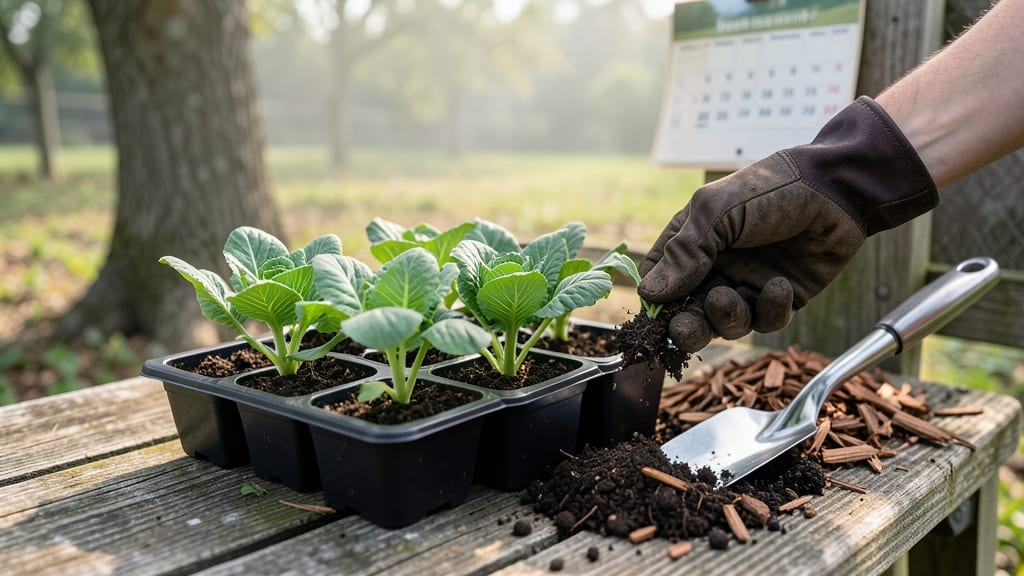
Timing cabbage planting in Oklahoma isn’t just about the calendar—it’s about outsmarting the state’s wild swings from frost to scorching heat. Miss the window, and you’ll end up with bitter, bolting 🥬 instead of the sweet, crisp heads you crave. The key? Planting at the right moment—whether that’s cool spring mornings or the crisp air of early fall—when your cabbage has the best shot at thriving.
If you’ve ever watched your cabbage bolt before forming a decent head, you know the frustration. Oklahoma’s USDA zones 6b-8a (especially central OK’s 7a) mean your neighbors might have different success stories than you.
But with the right schedule—March 15 to April 30 for spring or August 1 to September 15 for fall—you can sidestep the heat and frost traps that turn gardens into disappointment.
Here’s the game-changer: succession planting lets you stretch your harvest from June to November, no matter where you are in the state.
Whether you’re in the cooler north or the warmer south, I’ll show you exactly how to adjust for your microclimate—so you’re not left guessing when to pop those seeds in the ground.
Ready to grow cabbage that actually tastes like cabbage? Let’s dive into the exact months and tricks that’ll make your Oklahoma garden the talk of the neighborhood—without the bitter aftertaste.
Oklahoma cabbage planting calendar: exact months by variety type
Oklahoma’s USDA zones 6b-8a create unique challenges for cabbage growers, where spring heat and fall freezes can ruin harvests if planted at the wrong time.
The key is understanding your last frost date (typically March 15) and first frost date (around November 15) to align with cabbage’s cool-season growth needs.
Cabbage thrives in 50-70°F soil temperatures, making early spring and late summer the ideal planting windows. In Oklahoma, this translates to two primary planting seasons: spring (March-April) for summer harvests and fall (August-September) for winter storage.
Let’s break down the exact months for each variety type to maximize your success.
📅 Spring Planting (Cool-Season Varieties)
| Variety Type | Planting Window | Soil Temp Requirement | Harvest Window | Oklahoma Notes |
|---|---|---|---|---|
| Early Maturing (50-60 days) | March 1 - April 15 | 50-60°F | May - June | Best for North OK (zones 6b-7a); avoid after April 15 to prevent bolting. |
| Mid-Season (60-75 days) | March 15 - April 30 | 55-65°F | June - July | Ideal for Central/South OK (zones 7b-8a); use shade cloth after April 15. |
| Late-Season (75-90 days) | April 1 - May 1 (transplants only) | 60-70°F | July - August | Risky in OK’s heat; only attempt in North OK with afternoon shade. |
For spring planting, start seeds indoors 6-8 weeks before your last frost date (typically late January to early February) or purchase transplants from local nurseries after March 15.
In Oklahoma’s hotter southern regions (zones 7b-8a), focus on early-maturing varieties like ‘Golden Acre’ or ‘Early Jersey Wakefield’ to avoid the bolt-inducing heat of May and June.
🍂 Fall Planting (Winter-Hardy Varieties)
Fall cabbage is your secret weapon for Oklahoma’s mild winters, especially in USDA zones 7a and below. Plant 8-10 weeks before your first frost date (typically August 1 - September 15) to ensure heads mature before cold sets in.
Late-maturing varieties like ‘January King’ or ‘Red Express’ are excellent choices for fall planting.
In Central and South Oklahoma (zones 7b-8a), where winters are milder, you can extend your fall planting window slightly later—up to September 30—but monitor soil temperatures closely. Cabbage growth slows below 45°F, so aim to harvest before November 15 to avoid winter damage.
For North Oklahoma (zones 6b-7a), stick to the earlier window (August 1 - September 15) to account for earlier frosts.
Pro tip: Use row covers or cold frames to protect fall cabbage from light freezes (28-32°F), which can improve flavor and extend your harvest into December in sheltered microclimates. Just avoid heavy frosts (25°F or below), which can damage the heads.
Oklahoma’s microclimates play a huge role in cabbage success. For example, Tulsa (zone 7a) can handle slightly later spring plantings than Oklahoma City (zone 7b), while Albuquerque (zone 8a) may need to shift fall plantings earlier to avoid heat stress.
Always check your local frost dates and adjust by 1-2 weeks based on your specific location.
One final rule for Oklahoma gardeners: Never plant cabbage in May or July. These months bring soil temperatures above 70°F, triggering bolting (premature flowering) and bitter flavors.
Instead, use these months for succession planting of fast-maturing varieties like ‘Golden Ball’ or ‘Crimson Queen’, which can mature in 50-60 days before the heat peaks.
With these exact planting windows, you’ll avoid the bitter, bolted failures that plague so
How to avoid cabbage bolting in Oklahoma’s heat: proven strategies
Oklahoma’s summer heat can turn your cabbage plants into bitter, bolted messes faster than you can say "garden fail." But with the right strategies, you can delay bolting and keep those heads sweet and crisp.
The key? Soil temperature control, shade management, and succession planting—all tailored to Oklahoma’s USDA zones 6b-8a.
Bolting happens when cabbage senses heat stress or long daylight hours, triggering it to flower instead of forming heads. In Oklahoma, this usually starts in late May or early June, but heat-tolerant varieties and smart timing can push back that clock.
For example, planting heat-resistant hybrids like ‘Crimson Love’ or ‘Golden Acre’ gives you a 2-3 week advantage over standard varieties.
Here’s the game-changing tip: Monitor your soil temperature—cabbage bolts when soil hits 80°F (27°C). Use a soil thermometer to check before planting. If your soil is already warm, opt for fall planting (August-September) instead of spring.
In Zone 7a (central OK), this means planting 8-10 weeks before your first frost, usually by September 15.
Another critical trick is succession planting. Instead of one big batch, stagger your plantings every 2-3 weeks from March to May. This ensures you always have young, heat-sensitive plants in the ground when older ones are ready to bolt.
For example, plant the first batch on March 15, then add April 1 and April 15 for a rolling harvest through July.
Don’t forget watering wisdom: Deep, morning watering keeps roots cool and prevents stress. In Oklahoma’s heat, aim for 1-2 inches of water per week, but increase to daily watering during 90°F+ days. Mulch with straw or grass clippings to retain moisture and keep soil temps stable.
Pro tip: Water at the base, not overhead, to avoid fungal diseases like downy mildew, which thrives in humid Oklahoma summers.
If you’re in Zone 8a (southern OK), where heat arrives earlier, focus on fall planting and bolt-resistant varieties. ‘Tendercrisp’ and ‘Waxed Head’ are your best bets—they tolerate warmer soils and still form heads before frost.
And if you’re in Zone 6b (northern OK), you’ve got a little more leeway for late spring plantings, but always have row covers ready for unexpected late frosts.
Bolting isn’t just about heat—it’s also about daylight hours. Cabbage is a long-day plant, meaning it bolts faster with 14+ hours of daylight. In Oklahoma, this peaks in June-July.
To counter this, use black plastic mulch to warm soil faster in spring (helps young plants grow quicker) or white mulch to reflect heat in summer. And if you’re really pushing your luck, try container growing—pots heat up faster, so move them to shadier spots by midday.