Plants
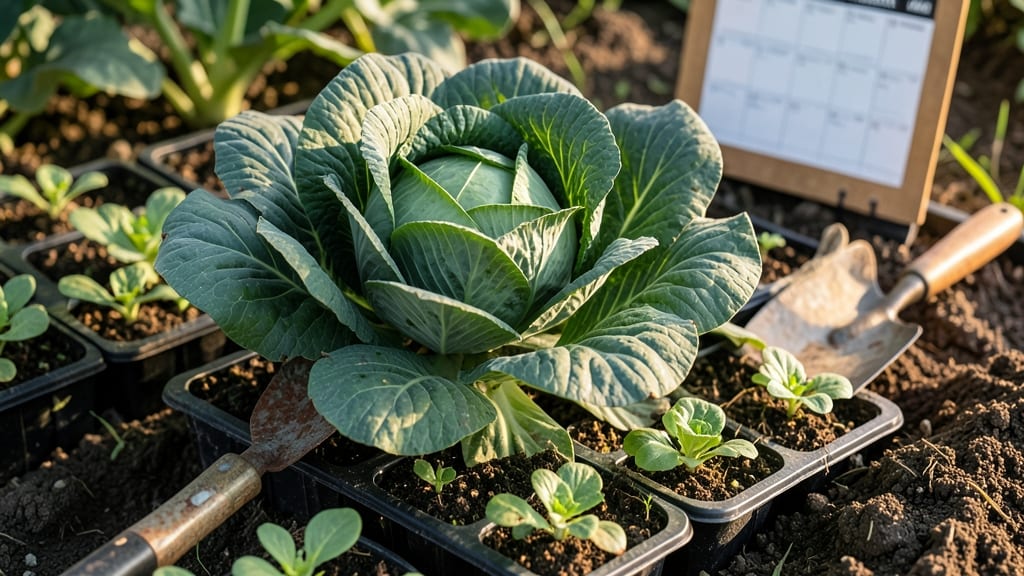
Timing your cabbage planting in Utah isn’t just about the calendar—it’s about outsmarting the state’s wild swings from 50°F mornings to 90°F afternoons. Get it wrong, and you’ll end up with bitter, bolted greens instead of those crisp, sweet heads you crave.
But here’s the good news: with the right microclimate know-how, you can grow cabbage successfully in both spring and fall, no matter where you live in Utah.
Most gardeners in Utah’s USDA Zones 5-7 know the basics—plant in March or August—but the devil’s in the details. Wasatch Front growers face different risks than those in Cache Valley or Southern Utah’s high desert.
I’ll break down exactly when to start seeds indoors vs. direct-sowing outdoors, so you avoid the #1 mistake that turns your cabbage into a sad, stunted mess. Plus, I’ll share which varieties thrive in Utah’s thin air and how to adjust for early springs or late falls.
Let’s start with the most critical question: Should you plant your 🥬 seeds in February or wait until April? The answer depends on your elevation, soil warmth, and whether you’re aiming for a summer or fall harvest.
I’ll walk you through the step-by-step planting calendar that keeps your cabbage happy from seed to harvest—no guesswork, just results. Ready to grow cabbage that actually tastes like cabbage?
By the end of this guide, you’ll know not just when to plant cabbage in Utah, but how to protect your crop from bolting, heat stress, and Utah’s infamous cold snaps.
Whether you’re a first-time gardener or a seasoned pro, these Utah-specific tips will help you grow cabbage that’s sweeter, firmer, and more abundant than you ever thought possible. Let’s get those seeds in the ground the right way!
Utah’s cabbage planting zones: avoiding bolt risk by microclimate
Utah’s diverse geography—from the Wasatch Front’s urban heat islands to Southern Utah’s high-desert chill—creates wildly different cabbage-growing conditions. Planting at the wrong time in Zone 5 (northern Utah) can mean bolting by June, while Zone 7 (St. George) might face heat stress in July.
The key? Matching your microclimate to the right planting window.
Cabbage thrives in cool weather (50–75°F), but Utah’s heat spikes above 80°F trigger bolting—the bitter, flower-stalk formation that ruins your harvest. Even a single hot week can send your plants into premature flowering.
That’s why I’ve broken down Utah’s regions with exact frost dates and planting strategies to keep your cabbage sweet and head-forming.
Here’s how to avoid bolting in Utah’s most common microclimates:
| Region | USDA Zone | Last Frost Date | Spring Planting Window | Fall Planting Window | Best Varieties |
|---|---|---|---|---|---|
| Wasatch Front (Salt Lake City) | Zone 6 | April 15 | March 1–15 (indoors) / April 15 (outdoors) | August 1–15 (indoors) / Sept 1 (outdoors) | ‘Golden Acre’, ‘Red Express’ |
| Cache Valley (Logan) | Zone 5 | May 1 | April 1 (indoors) / May 1 (outdoors) | July 15–30 (indoors) / Aug 15 (outdoors) | ‘Early Jersey Wakefield’ |
| Southern Utah (St. George) | Zone 7 | March 1 | February 15 (indoors) / March 15 (outdoors) | July 1 (indoors) / Aug 1 (outdoors) | ‘Crimson Love’, ‘Savoy King’ |
Notice how Southern Utah’s earlier last frost date lets you start indoor seeds in February, while Cache Valley’s cooler temps delay outdoor planting until May 1. This is why microclimate matters more than USDA zones in Utah—your neighbor’s perfect timing might fail in your garden.
For high-elevation gardens (above 7,000 ft), like those in Park City or Moab, extend your season by planting late-summer varieties (like ‘Late Flat Dutch’) in August.
These tolerate cooler temps and give you a fall harvest before frost. Just be ready to protect seedlings with row covers if nights dip below 40°F.
Pro tip: Soil temperature is your real guide, not calendar dates. Use a soil thermometer—cabbage seeds need 40–50°F soil to germinate. In Utah’s high-desert areas, daytime soil temps can hit 80°F by May, so shade cloth (30–50%) is a game-changer for preventing bolting.
If you’re in Zone 6 (Salt Lake Valley) and want a summer harvest, aim for late-July transplanting of heat-tolerant varieties like ‘Cheddar’. These can handle short heat waves if given consistent evening watering and mulch to keep roots cool.
Remember: Bolting isn’t just about heat—long daylight hours (14+ hours in Utah summer) also trigger flowering. That’s why fall plantings (after July 15) often succeed better—they escape the June solstice’s long days and grow under shorter daylight, delaying bolting.
🌱
Step-by-step cabbage planting calendar for Utah’s short growing season
Utah’s short growing season and dramatic temperature swings mean your cabbage planting timeline must account for both indoor starts and direct sowing strategies.
I’ve mapped out the exact calendar for both spring and fall crops, including when to start seeds indoors, transplant outdoors, and protect your plants from Utah’s infamous late frosts. Get this wrong, and you’ll lose your entire crop to bolting or frost—so let’s nail the timing.
For spring cabbage, the magic window begins with indoor seed starting in late February or early March, depending on your elevation.
Most Utah gardeners in USDA Zone 6 (like Salt Lake City) should start seeds by February 20th, while those in Zone 5 (Northern Utah) can wait until March 1st.
Transplant seedlings outdoors 4-6 weeks before your last frost date, which in Utah typically falls between mid-April and early May.
📅 Utah Cabbage Planting Step List
- Late February - Early March: Start seeds indoors under grow lights (6-8 weeks before last frost). Use seedling trays with sterile potting mix.
- Mid-March: Harden off seedlings by placing them outdoors during the day (protected from wind) for 1 week.
- Late March - Early April: Transplant seedlings 18-24 inches apart in well-draining soil with compost added.
- April 15 - May 1: Direct-sow additional seeds for fall harvest (10-12 weeks before first frost).
- July - August: Apply shade cloth if temps exceed 85°F to prevent bolting.
- October 1 - 15: Harvest spring cabbage or protect fall crops with row covers if frost threatens.
If you’re aiming for a fall harvest, the process starts later but follows the same logic in reverse. Direct-sow seeds outdoors in late July or early August (10-12 weeks before your first frost, which in Utah usually hits mid-October).
For a second fall crop, start seeds indoors in mid-July and transplant in early August. This staggered approach ensures you have cabbage ready to harvest from October through November, long after summer crops have bolted.
Utah’s high-altitude microclimates add another layer of complexity. Gardeners in Cache Valley (Zone 6) can plant slightly earlier than those in Southern Utah’s high desert (Zone 5), where cold air pools at night.
To account for this, use black plastic mulch to warm the soil faster in early spring or row covers to protect seedlings from late frosts. I’ve also found that ‘Golden Acre’ and ‘Red Express’ varieties handle Utah’s thin air better than slower-maturing types.
One critical Utah-specific tip: Never plant cabbage in February unless you have a heated greenhouse. Soil temps below 45°F slow germination to a crawl, and seedlings can rot.
Instead, use the time to prepare raised beds with well-aged compost and balanced fertilizer (10-10-10). This gives your cabbage the nutrient boost it needs to bolt-proof itself once planted.
Finally, don’t forget companion planting to extend your season. Pair cabbage with dill, celery, or onions to deter pests like cabbage moths, and interplant with radishes (which mature quickly and mark rows).
In Utah’s dry climate, mulch heavily with straw to retain moisture and keep roots cool—this is non-negotiable for preventing bolting during our 90°F+ heat waves. With this calendar, you’ll avoid the most common mistakes and end up with crisp, sweet cabbage heads all season long. 🥬