
Plants
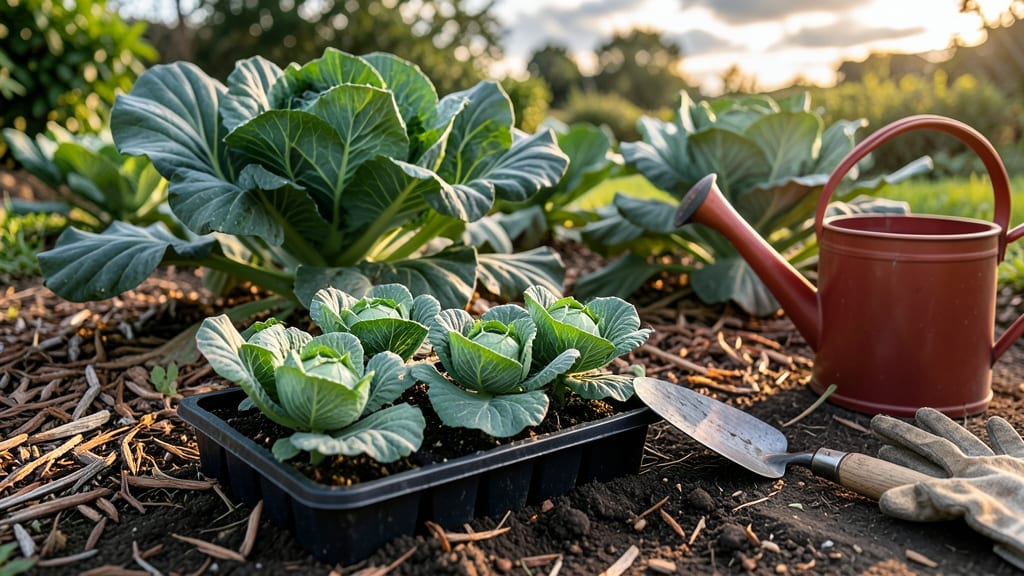
If you’ve ever tried growing cabbage and wondered when to plant cabbage in Zone 9, only to watch it bolt or wilt under the summer sun, you’re not alone. The key to success isn’t just planting—it’s timing it perfectly to avoid heat stress while maximizing your harvest.
In this guide, I’ll show you exactly when to plant cabbage in Zone 9, whether you’re in Southern California, Arizona, or Nevada, so you can enjoy crisp, homegrown heads without the frustration.
Most gardeners in Zone 9 make one of two mistakes: planting too early and risking heat damage, or waiting too late and missing the ideal growing window. The secret lies in two critical windows—fall and late winter/early spring—where temperatures stay cool enough for cabbage to thrive.
I’ll break down the exact months to plant, plus how to adjust for your local microclimate, so you can skip the trial-and-error and get straight to a bountiful harvest.
You’ll also discover which heat-resistant varieties actually perform well in Zone 9, how to protect your plants from bolting, and simple tricks like shade cloth and mulching to extend your growing season.
Whether you’re a beginner or a seasoned gardener, these strategies will help you grow cabbage that’s sweeter, healthier, and ready to harvest just in time for your favorite recipes.
Ready to stop guessing and start growing? Let’s dive into the exact steps to plant cabbage at the perfect time—so you can enjoy fresh, homegrown 🥬 all season long.
Optimal planting windows for cabbage in Zone 9’s climate
Zone 9’s mild winters and hot summers create a unique challenge for growing cabbage. Unlike cooler climates, you can’t just plant in spring—timing is everything. The key is to plant when soil temperatures stay below 75°F and avoid the 90°F+ heat that triggers bolting (premature flowering).
For most of Zone 9, this means focusing on fall planting (September–October) and late winter/early spring (February–March). Coastal areas like San Diego can extend planting slightly later, while inland desert zones (e.g., Phoenix) must plant earlier to escape summer heat.
Here’s how to calculate your exact dates: Start counting 6–8 weeks before your average first frost date. In Zone 9, this typically falls around December 15, but check your local USDA frost maps for precision.
For example, if your frost date is December 1, plant by October 15.
Spring planting is riskier but possible if you use shade cloth or plant in partial shade. Aim for February–March to harvest before summer heat sets in. Avoid planting after April 1 unless you’re in a high-elevation microclimate.
Microclimates play a huge role in Zone 9. Coastal areas like Santa Barbara can plant 2 weeks later than inland deserts like Yuma. Always monitor soil temperature—ideal planting soil should be 50–65°F.
Pro tip: Use a planting calendar tailored to your city (e.g., UC Master Gardener guides for Southern California). These account for local heat islands, wind patterns, and irrigation schedules that affect your microclimate.
| Planting Window | Soil Temp (°F) | Days to Harvest | Notes |
|---|---|---|---|
| September 15–October 15 | 50–65°F | 70–90 days | Fall harvest; avoid summer heat |
| February 1–March 15 | 55–70°F | 60–80 days | Spring harvest; use shade cloth |
| August (coastal only) | 60–68°F | 80–100 days | High-risk; partial shade required |
Succession planting is your best friend in Zone 9. Instead of one big planting, space out weekly sowings every 2–3 weeks from September to October. This ensures a steady harvest and reduces the risk of losing your entire crop to heat stress.
For example, plant 10 seeds every 2 weeks in September. By October, your first batch will be ready for transplanting, while later batches will follow. This staggered approach also helps manage pest pressure and disease spread.
Always test your soil’s pH (6.0–7.0) and nitrogen levels before planting. Zone 9 soils often lack organic matter, so amend with compost or aged manure 2–3 weeks before sowing. This gives your cabbage the nutrients it needs to handle the stress of hot afternoons.
Remember: Cabbage is a cool-season crop, so it’s normal to see slower growth in Zone 9’s heat. The goal isn’t speed—it’s survival and quality. With the right timing, you’ll enjoy crisp, sweet heads all winter long.
Optimal planting windows for cabbage in Zone 9’s climate
In Zone 9, where summer temperatures often soar above 90°F (32°C), cabbage thrives only in cool-season windows. The two best times to plant are early fall (September-October) and late winter (February-March).
These windows align with cooler temperatures and shorter daylight hours, which prevent the bolting (premature flowering) that ruins your harvest.
For fall planting, aim to sow seeds or transplant seedlings 6-8 weeks before your first frost date. In most of Zone 9, this means mid-September to early October.
Cabbage planted in fall will mature just as winter cools down, giving you a December-January harvest before summer heat returns.
| Planting Window | Ideal Soil Temp (°F) | Days to Maturity | Harvest Months |
|---|---|---|---|
| September-October (Fall) | 50-65°F (10-18°C) | 60-90 days | December-January |
| February-March (Spring) | 45-55°F (7-13°C) | 70-100 days | May-June |
Spring planting in Zone 9 requires patience. Start seeds indoors in late January and transplant outdoors in February-March when soil temperatures drop below 65°F (18°C). This ensures your cabbage matures before summer heat sets in, with a May-June harvest.
Avoid planting in April—this is when Zone 9’s heat stress peaks, and your cabbage will likely bolt.
Microclimates matter! Coastal areas like San Diego or Santa Barbara have milder winters, so you can plant slightly later (e.g., October-November for fall). Inland desert regions like Phoenix or Las Vegas need earlier planting (August-September for fall) to escape summer’s intensity.
Check your local frost-free dates and adjust accordingly.
Pro tip: Use a soil thermometer to confirm soil temps are below 65°F (18°C) before planting. Cool soil is just as critical as cool air for preventing bolting. If your soil runs hot, opt for shade-tolerant varieties or use black plastic mulch to regulate temperature.
Timing isn’t just about months—it’s about avoiding heat stress. By mastering these windows, you’ll grow cabbage that’s sweet, crisp, and bolting-free, no matter where you are in Zone 9. 🥬