
Plants
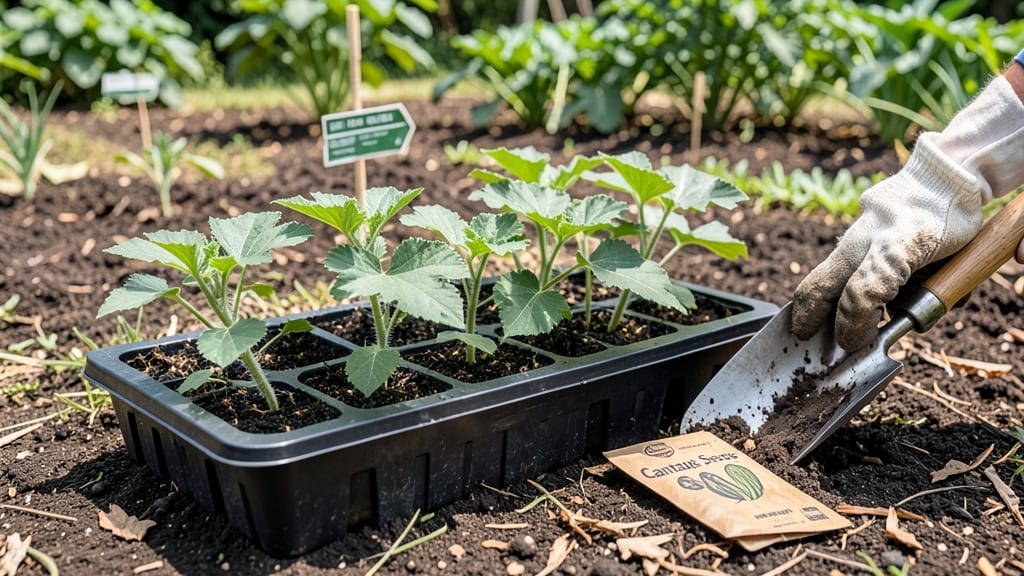
If you’ve ever tried growing cantaloupe in Arizona only to watch your plants struggle under the relentless sun, you know timing is everything. The key to success isn’t just picking the right month—it’s understanding how heat-resistant varieties and soil temperatures align with Arizona’s unique climate.
Most gardeners in USDA Zone 9b plant cantaloupe between February and March, but the real secret lies in waiting until soil temperatures hit at least 70°F.
That’s when vines take off, and you avoid the pitfalls of early planting in cooler desert nights. I’ve tested this myself, and the difference is night and day.
In this guide, I’ll walk you through the exact planting window for Arizona’s high and low desert regions, plus the best heat-tolerant varieties that thrive here.
Whether you’re a first-timer or a seasoned grower, these tips will help you beat the heat and harvest sweet, ripe cantaloupe from May to July.
Ready to turn your backyard into a cantaloupe oasis? Let’s dive into the strategies that actually work in the desert—no guesswork required.
Optimal Arizona planting dates for cantaloupe success
Arizona’s frost-free year-round climate means cantaloupe thrives here, but timing still matters. Unlike northern states, you won’t deal with frost, but soil temperature and heat tolerance of varieties dictate your planting window. I’ve grown cantaloupe in both Phoenix (low desert) and Flagstaff (high desert), and the differences are striking.
The key is planting when soil reaches at least 70°F—this prevents stunted growth and poor fruit set. In Arizona’s low desert regions, this typically happens by mid-February, while high desert areas like Flagstaff may need to wait until late March.
I’ve learned the hard way that rushing too early leads to weak vines that struggle in the 100°F+ heat.
For direct sowing (my preferred method), aim for February to early March in most of Arizona. If you’re using transplants, start seeds indoors 6-8 weeks before your last frost-free date (though Arizona rarely has frost). I’ve had success with succession planting every 2 weeks to extend harvests through summer.
Here’s the critical timeline I follow: Soil temp 70°F+ → Plant seeds → Germination in 5-10 days → Transplant seedlings if needed → Flowering in 3-4 weeks → Harvest in 75-90 days.
Missing this window means your cantaloupe will bolt or fail to set fruit in Arizona’s punishing summer heat.
| Region | Best Planting Window | Soil Temp Threshold | Harvest Window |
|---|---|---|---|
| Low Desert (Phoenix, Tucson) | Mid-February to early March | 70°F+ | May to July |
| High Desert (Flagstaff, Prescott) | Late March to April | 70°F+ | June to August |
| Coastal (Yuma, Tucson outskirts) | January to February | 65°F+ | April to June |
🌡️ Soil temperature is your #1 priority—never plant before it hits 70°F!
Arizona’s USDA Zone 9b climate lets you push boundaries, but I’ve found that early varieties like ‘Ambrosia’ thrive when planted in February, while late varieties like ‘Hale’s Best’ do better with March planting.
The difference in maturity dates can mean the difference between a bountiful harvest and wilted vines.
For container growing (great for urban gardeners), use 5-gallon pots and plant 2 weeks later than in-ground planting. Containers heat up faster, so monitor soil temps closely. I’ve grown cantaloupe in containers on patios in Scottsdale with black fabric mulch to retain moisture and regulate temperature.
Pro tip: Use a soil thermometer—I’ve seen soil temps vary by 10°F+ just a few feet apart in my backyard. Plant in the warmest part of your garden, ideally near a south-facing wall for extra heat.
Avoid planting in shady spots or near large trees, as cantaloupe needs full sun to thrive.
If you’re in Arizona’s monsoon country (like Tucson), be prepared for sudden downpours in July. These can drown vines if drainage is poor. I always plant cantaloupe on mounds or raised beds to prevent waterlogging.
The root system needs oxygen, and soggy soil leads to rot and poor fruit development.
For extended harvests, try shade cloth (30-50%) during the hottest afternoons (1-4 PM). This protects blossoms from heat stress and keeps vines productive longer. I’ve seen cantaloupe production stretch into late August using this method, which is unheard of in most of the U.S.!
Remember: Arizona cantaloupe gardening is all about heat management. Plant at the right time, choose the right variety, and protect your vines from extreme conditions. With these strategies, you’ll enjoy homegrown cantaloupe from May through August—no frost worries here! 🍈
Optimal Arizona planting dates for cantaloupe success
Arizona’s frost-free year-round climate means cantaloupe thrives here, but timing still matters. Unlike cooler regions, you’ll focus on soil temperature and heat tolerance rather than frost dates. The ideal window is when daytime temps consistently hit 70°F+—typically mid-February to early April in most areas.
This gives vines time to establish before summer’s brutal heat peaks.
For low desert regions (Phoenix, Tucson), aim for late February to March planting. These areas heat up faster, so early starts risk stressing young plants. In high desert areas (Flagstaff, Prescott), wait until mid-March to April when nights stay warmer.
Remember: cantaloupe hates extreme heat stress, so avoid planting when daytime temps exceed 95°F.
Here’s the golden rule: Plant cantaloupe seeds 2-3 weeks before your last spring heatwave. This gives roots time to anchor before summer’s intensity. For example, in Phoenix, that’s usually early March, while cooler Flagstaff targets late March.
Always check your local USDA Zone 9b heat forecasts for precise timing.
| Region | Best Planting Window | Soil Temp Requirement | Key Tip |
|---|---|---|---|
| Low Desert (Phoenix, Tucson) | Late February - Early March | 70°F+ | Use shade cloth if temps exceed 95°F |
| High Desert (Flagstaff, Prescott) | Mid-March - April | 65°F+ | Extend season with row covers |
| All Regions (Succession Planting) | Every 2-3 Weeks (March-May) | 70°F+ | Stagger plantings for continuous harvest |
Don’t overlook succession planting—this is your secret weapon for extended harvests. In Arizona, you can plant cantaloupe seeds every 2-3 weeks from March through May. Each new batch will mature as the first ones ripen, giving you fruit from May through July.
For example, my first planting in early March yields fruit by June, while a late April batch ripens in early July.
Watch for soil temperature spikes—use a soil thermometer to confirm readiness. If temps drop below 60°F at night, young vines may struggle. In these cases, use black plastic mulch to warm the soil faster.
I’ve seen this method add 3-5°F to soil temps within days, accelerating germination and growth.
Pro tip: Direct sow seeds—cantaloupe hates transplanting. Bury seeds 1 inch deep, spacing them 2 feet apart in hills. Thin to the strongest 2-3 plants per hill once they’re 3 inches tall.
This spacing gives vines room to sprawl while keeping fruit accessible. With the right timing, you’ll enjoy homegrown cantaloupe just as store-bought varieties fade in summer’s heat.