
Plants
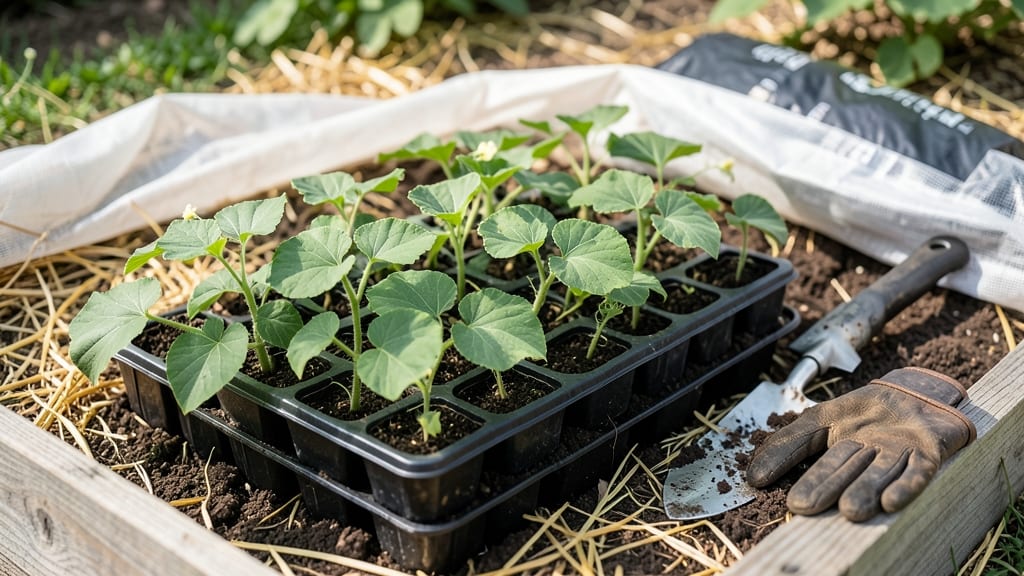
Planting cantaloupe seeds in Texas at the wrong time could mean the difference between a sweet summer harvest and a sad pile of wasted seeds. With Texas' diverse climate zones, getting the timing right is everything—especially when you're dealing with heat zones A through D and unpredictable spring weather.
I’ve learned the hard way that cantaloupe 🌱 thrives when soil temperatures hit at least 70°F, and that window opens differently depending on whether you're in North or South Texas.
Whether you're a first-time gardener or a seasoned grower, knowing your exact planting window can save you from frost damage or stunted vines.
In this guide, I’ll break down the ideal planting dates for each Texas heat zone, including when to start seeds indoors (if you’re brave enough to tackle that early) and when to direct-sow for maximum success.
You’ll also discover how to adjust for Texas’ infamous late frosts and scorching summers—because even cantaloupes need a little TLC.
Ready to grow juicy, ripe cantaloupes? Let’s dive into the step-by-step timeline that’ll have you harvesting by late summer, no guesswork required.
Texas heat zone planting calendar for cantaloupe seeds
Texas' diverse climate means cantaloupe seeds thrive in different heat zones from North to South. In Zone A (North Texas), like Dallas, plant seeds after the last frost date—typically mid-April.
Meanwhile, Zone D (South Texas), such as Houston, can start as early as late February when soil warms to 70°F+. Understanding these zones ensures your cantaloupe vines grow strong and produce sweet fruit.
Cantaloupes are warm-season crops that despise cold soil. For direct sowing, wait until soil temperatures reach 75°F+—use a soil thermometer to check! In North Texas (Zones A-B), this often means late April to early May.
In Central and South Texas (Zones C-D), you can start as early as March if nights stay above 55°F. Transplanting seedlings is another option for a head start.
Here’s a quick guide to Texas heat zones and their ideal planting windows:
| Heat Zone | Last Frost Date | Direct Sowing Window | Transplant Window | Soil Temp Requirement |
|---|---|---|---|---|
| A (North Texas) | Mid-April | Late April - Early May | Early April (seedlings) | 75°F+ |
| B (Central North) | Early April | Early April - Late April | Late March | 70°F+ |
| C (Central Texas) | Mid-March | Late March - Early April | Mid-March | 68°F+ |
| D (South Texas) | Late February | Late February - March | Late February | 65°F+ |
For direct sowing, plant seeds 1 inch deep and 2 feet apart in hills. Cantaloupes need space to sprawl, so avoid overcrowding. In North Texas, I’ve found that black plastic mulch warms the soil faster and speeds up germination.
If you’re transplanting seedlings, harden them off for 7-10 days before moving them outdoors.
One common mistake is planting too early. Cold soil delays germination and can lead to rotten seeds. Always check soil temperature with a soil thermometer—it’s the most reliable way to avoid disappointment.
In South Texas, where heat arrives early, I often start seeds indoors in February to transplant outdoors by March.
Cantaloupes also benefit from successive planting. In North Texas, I plant a second batch in early June for a fall harvest. This works because Texas summers are long, and cantaloupes can tolerate high temperatures once established. Just ensure they get consistent watering during dry spells.
Harvest time varies by variety, but most cantaloupes in Texas are ready 75-90 days after planting. In South Texas, the first harvests often appear by June, while North Texas gardeners may not see fruit until July or August.
Always check for ripe cantaloupes by gently pressing the blossom end—it should feel slightly soft.
If you’re new to growing cantaloupes in Texas, start with one or two hills to test your soil and microclimate. Once you’ve mastered the timing, you can expand. Remember, cantaloupes love heat and sun, so the more south-facing space you have, the better your yield will be.
For extra protection in North Texas, use row covers if late frosts threaten. In South Texas, shade cloth can help during peak summer heat to prevent sunscald. Adjusting for your local climate ensures your cantaloupe seeds grow into thriving vines.
How to adjust planting dates for Texas' unpredictable weather
Texas' spring weather can be as unpredictable as a whirlwind—one day it's 50°F with frost warnings, the next it's 90°F and scorching. Cantaloupe seeds need consistent warmth to germinate, so flexibility in your planting dates is key.
If you plant too early and hit a late frost, your seeds will rot. Plant too late, and you might miss the optimal 75-day growing window before summer heat peaks.
Start by monitoring your local frost dates. In North Texas (Zones A/B), the last frost typically occurs between March 15-30, while South Texas (Zones C/D) may see frost-free conditions as early as February 15.
Wait until the soil temperature reaches at least 70°F—use a soil thermometer to confirm. If your area experiences erratic temperature swings, consider using black plastic mulch to warm the soil faster.
Here’s my foolproof strategy: plant cantaloupe seeds in two staggered batches. The first batch goes in 2-3 weeks after your last frost date, and the second batch follows 10-14 days later. This ensures a continuous harvest window.
For example, if your last frost is March 20, plant your first batch around April 5 and the second around April 15. This spreads out your risk and guarantees at least one successful planting.
⚠️ Watch for Late Frosts
Texas isn’t immune to late frosts, especially in North and Central Texas. If a frost is forecasted after planting, cover seedlings with row covers or frost cloth immediately. Cantaloupe seedlings are extremely sensitive to cold—even 32°F can kill them. Monitor the National Weather Service or local ag extension forecasts for alerts.
Pro tip: Plant near a south-facing wall or fence to absorb and radiate heat, giving seedlings a protective microclimate.
Another challenge in Texas is summer heat stress. Cantaloupes thrive in warmth but can bolt (flower prematurely) if temperatures exceed 95°F for extended periods. To mitigate this, provide afternoon shade cloth (30-50%) during peak heat months (June-August).
This keeps the vines cool without sacrificing the 6-8 hours of sunlight they need daily. Drip irrigation also helps by keeping roots moist and soil temperatures stable.
If you’re in South Texas (Zones C/D), you can even try a fall planting for a late-season harvest. Aim for seeds in the ground by July 15, giving them time to mature before the first frost (typically November 15).
Choose heat-tolerant varieties like 'Athena' or 'Hale’s Best' for better success in these conditions. Just be prepared to water deeply and frequently—summer droughts are a real threat.
Finally, keep a gardening journal to track your planting dates and outcomes. Note when you planted, any weather anomalies, and how your cantaloupes performed. Over time, you’ll refine your timing to match your local microclimate.
For example, I learned that in East Texas (Zone B), planting on April 1 instead of April 15 gave me a longer harvest window because the soil warmed faster near the wooded areas.