
Plants
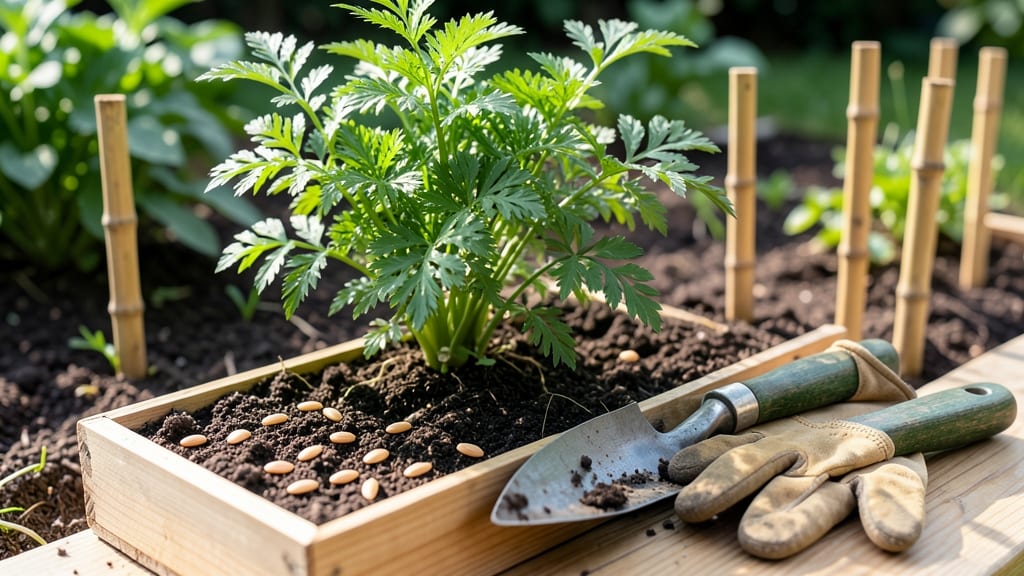
Timing your carrot planting in Pennsylvania can mean the difference between sweet, crisp roots and bitter, stunted failures—especially with the state’s unpredictable frost patterns. If you’ve ever watched your 🥕 crop bolt or turn woody, you know how frustrating it can be.
The key to success lies in understanding the exact weeks before last frost that work best for your region, whether you're in Pittsburgh or Philadelphia.
Most gardeners in Pennsylvania’s USDA Zone 6a plant carrots in early spring, around March to April, but late summer plantings also yield great results. The trick is getting seeds in the ground when soil temperatures hit that sweet spot—50°F or warmer—so they germinate reliably.
Miss this window, and you risk stunted growth or a harvest that never comes.
I’ve tested these planting strategies for years, and what I’m about to share will help you avoid common mistakes. From choosing the right carrot varieties to extending your growing season with succession planting, you’ll learn how to maximize your harvest.
Let’s dive into the science and secrets that make all the difference.
Whether you’re a beginner or a seasoned gardener, these insights will give you the confidence to plant at the perfect time. Ready to grow carrots that are sweet, straight, and ready to harvest? Let’s get started.
Pennsylvania carrot planting timeline: exact weeks before last frost by region
Pennsylvania’s diverse climate—from the cool mountains of the Poconos to the warmer valleys of Pittsburgh—means your carrot planting timing should match your USDA zone. Most of PA falls in zones 5b–7a, with last frost dates ranging from April 15 (southern PA) to May 1 (north).
Planting too early risks frost damage, while waiting too long can lead to bolted or woody roots.
For optimal carrot growth, aim to sow seeds 3–4 weeks before your area’s average last frost date. This gives seedlings time to establish roots before soil temperatures hit 50°F—the minimum for germination.
In southern PA (zones 6b–7a), this translates to mid-March to early April, while northern PA (zones 5a–5b) gardeners should wait until late April.
Soil temperature is critical: carrots won’t sprout below 45°F, but ideal germination occurs at 60–70°F. Use a soil thermometer to confirm readiness—especially in clay-heavy soils that warm slowly. If your soil is too cold, try black plastic mulch or a cold frame to accelerate warming.
| Region | USDA Zone | Last Frost Date | Planting Window | Soil Temp Goal (°F) |
|---|---|---|---|---|
| Southern PA (Philadelphia, Harrisburg) | 6b–7a | April 15–May 1 | Mid-March–Early April | 50–60°F |
| Central PA (Lancaster, York) | 6a–6b | April 20–April 30 | Late March–Mid-April | 50–60°F |
| Pittsburgh & Western PA | 6a–5b | April 25–May 10 | Late April–Early May | 55–65°F |
| Northeast PA (Scranton, Wilkes-Barre) | 5b–6a | May 1–May 15 | Early–Mid-May | 60–70°F |
| Poconos & Northern PA | 5a–5b | May 10–May 20 | Late May | 65–70°F |
*Use row covers or cold frames to extend early planting in cooler zones.
Don’t overlook late-summer plantings for a fall harvest. In southern PA, sow seeds in mid-July for harvests by October–November. In northern PA, wait until early August to avoid early frost. Choose bolt-resistant varieties like 'Rainbow' or 'Solar Yellow' for these later plantings.
For container growing, start seeds 2 weeks earlier than in-ground plantings since pots warm faster. Use well-d
Best carrot varieties for Pennsylvania’s climate and their planting windows
Pennsylvania’s diverse climate—from Pittsburgh’s cooler summers to Philadelphia’s humid heat—demands carrot varieties that thrive in both early spring and late summer plantings. Choosing the right type ensures sweet, crisp roots instead of bitter or woody failures.
For example, 'Danvers Half Long' handles cool soils well, while 'Rainbow' varieties tolerate summer heat better.
Your planting window depends on the variety’s maturity timeline and heat tolerance. Early-season types like 'Paris Market' (dwarf) mature in 50–60 days, perfect for March–April sowing. Heat-tolerant varieties like 'Nantes' (semi-dwarf) take 65–75 days, ideal for July–August plantings to avoid summer bolting.
Here’s how to match varieties to Pennsylvania’s two main planting windows:
| Variety | Type | Days to Maturity | Best Planting Window | Pennsylvania Notes |
|---|---|---|---|---|
| Danvers Half Long | Standard | 60–70 days | March–April, July–August | Cold-hardy; best for early spring |
| Nantes | Semi-dwarf | 65–75 days | April–May, July | Heat-tolerant; avoids summer bolting |
| Paris Market | Dwarf | 50–60 days | March–April, August | Quick harvest; great for containers |
| Rainbow | Multi-colored | 70–80 days | April–May | Slow to bolt; ideal for late spring |
For Pittsburgh’s cooler microclimate (Zone 6a), prioritize 'Danvers' or 'Paris Market' in early spring. In Philadelphia’s Zone 7a, opt for 'Nantes' or 'Rainbow' to extend harvests into late summer. Always check seed packets for days to maturity—this dictates your planting deadline before the first frost.
Pro tip: Mix varieties in the same row to confuse pests like carrot flies. For example, plant 'Danvers' (standard) alongside 'Paris Market' (dwarf). This staggered maturity also lets you harvest continuously from June to October.
If you’re new to growing carrots in PA, start with 'Danvers Half Long'—it’s the most forgiving for beginners and adapts to both cool springs and mild summers. Pair it with loose, rocky-free soil and watch those sweet roots develop effortlessly.