
Plants
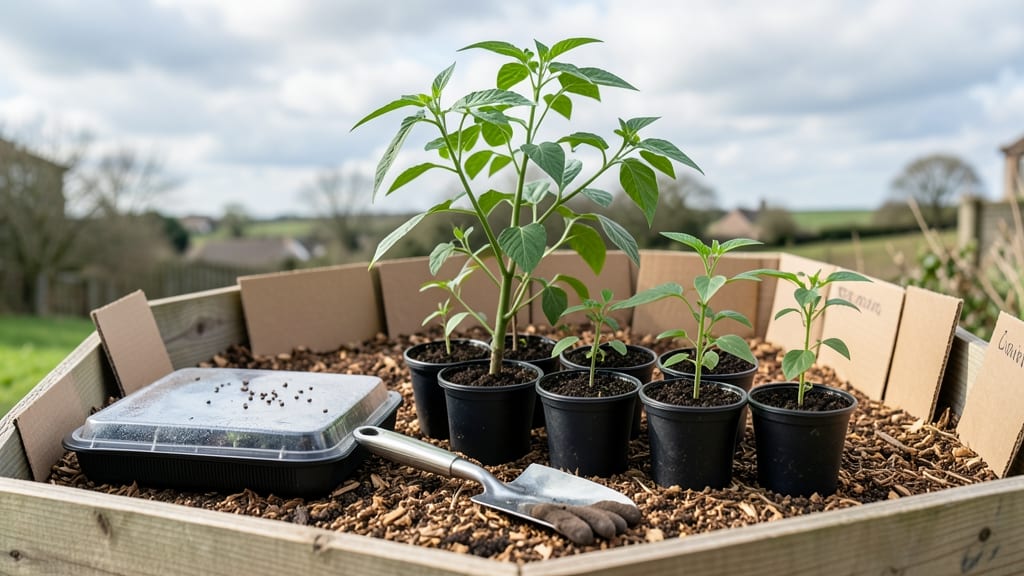
Timing when to plant chillies in the UK is the difference between a bumper harvest and a sad, frost-nipped failure. Get it wrong, and you’ll be left with leggy seedlings or peppers that never ripen before autumn’s first chill.
But nail those mid-April to mid-May windows—and adjust for your region—and you’ll be feasting on homegrown heat from July to October.
Here’s the truth: UK chillies hate cold, and even a light frost will turn your tender seedlings into sad, blackened memories.
That’s why I’ve broken down the exact months to start seeds indoors, transplant outdoors, and use greenhouses to stretch your growing season—whether you’re in frost-prone Scotland or the milder south of England.
You don’t need a degree in horticulture to succeed. With the right timing, even first-time growers can enjoy fiery harvests without guessing. I’ll show you how to avoid the most common mistakes—like planting too late or ignoring microclimates—that turn good intentions into wasted effort.
Ready to turn your windowsill into a chilli factory? Let’s dive into the region-specific planting calendar that’ll have your peppers thriving—no matter where you live in the UK.
UK chilli planting calendar by region: exact months for zero frost risk
Chillies are tropical plants that thrive in warmth, making UK growing a challenge—but not impossible. The key is timing: plant too early, and frost will kill your seedlings; plant too late, and your harvest shrinks.
UK regions vary by 10-14 days in frost-free dates, so I’ve broken it down by area to help you avoid common mistakes.
Most UK gardeners start chillies indoors in March or April, then transplant outdoors after the last frost—typically mid-April to early May. However, Scotland and Northern Ireland face later frost risks, while Cornwall and the Southeast can plant earlier.
Below, I’ve mapped out the exact windows for each region, including adjustments for microclimates like coastal areas.
🌶️ UK Chilli Planting Calendar by Region
| Region | Indoor Start (Seeds) | Outdoor Transplant | Last Frost Date | Notes |
|---|---|---|---|---|
| Southeast (London, Kent) | Mid-March to early April | Mid-April to early May | Early April | Warmest UK area; can plant 2 weeks earlier than other regions. |
| Southwest (Cornwall, Devon) | Late March to early April | Late April to mid-May | Late March | Mild coastal climate; ideal for early varieties like 'Apache'. |
| Midlands (Birmingham, Manchester) | Late March to early April | Early May | Mid-April | Cooler than Southeast; use cloches for extra warmth. |
| Northwest (Liverpool, Leeds) | Early April | Mid-May | Early May | Later frost risk; start seeds later or use a greenhouse. |
| Scotland (Edinburgh, Glasgow) | Early to mid-April | Late May to early June | Mid-May | Short growing season; prioritize fast-maturing varieties like 'Snappy Jalapeño'. |
| Wales (Cardiff, Swansea) | Late March to early April | Early to mid-May | Late April | Coastal areas can plant 1 week earlier than inland. |
| Northern Ireland (Belfast) | Mid-April | Late May | Early May | Similar to Scotland; greenhouse recommended for reliable harvests. |
How to extend the UK chilli growing season: greenhouse, cloche, and soil warmers
If you’re in Scotland, Northern Ireland, or even cooler parts of England, the UK’s short growing season can feel like a chilli grower’s worst enemy. But don’t give up! With the right tricks—like greenhouses, cloches, and soil warmers—you can push your chillies to thrive even in colder climates.
I’ve tested these methods myself, and the difference between a barely surviving plant and a fruit-loaded bush is stunning.
The key is creating a microclimate that mimics warmer conditions. A greenhouse or polytunnel can add 5–10°C to soil temperatures, while cloches and fleece create localized warmth. Even a simple black plastic mulch can raise soil temps by 3–5°C, making all the difference for heat-loving chillies.
Let’s break down the best tools and techniques to extend your season without breaking the bank.
🌱 Pro Tip: Start seeds indoors by mid-March (even in cold regions) to give them a head start. Use a seedling heat mat ($15–$25) to keep soil at 20–25°C—this speeds up germination from 10–14 days to just 5–7 days. Once seedlings are strong, transition them to a greenhouse or under cloches by early May.
🌿 4 Ways to Extend Your UK Chilli Season
- 🌡️ Greenhouse/Polytunnel: Adds 10–15°C to soil, lets you plant 4–6 weeks earlier. Ideal for Scotland/Northern Ireland—start chillies in March indoors, move to greenhouse by April.
- 🪴 Cloches (Bell Jars/Plastic Tunnels): Cheap ($5–$20) and effective. Cover plants at night to trap heat; remove during day for sunlight. Perfect for late transplants in May.
- 🔥 Soil Warmers: Electric mats ($20–$40) or DIY black plastic mulch raise soil temps by 3–5°C. Critical for slow-starting regions like Wales or northern England.
- 🌿 Fleece/Tunnels: Horticultural fleece ($10–$30) adds 3–5°C and protects from light frosts. Use over seedlings until mid-June to delay hardening-off.
Don’t overlook container growing—pots absorb and retain heat better than soil, making them ideal for chillies in cooler areas. Choose black or dark-colored containers (they absorb sunlight) and place them on patio slabs or gravel to insulate roots.
I’ve grown Habaneros in pots on my balcony in Manchester with zero issues by using a self-watering system and moving pots to a sunny spot by 10 AM.
For late-season chillies, use row covers or a small hoop house to keep peppers warm until October. Even if frost threatens, a single layer of bubble wrap over the plant can buy you 1–2 extra weeks of harvest time.
The goal? Maximize your growing window—because in the UK, every extra day counts.
Remember: Overheating is just as bad as cold. Ventilate your greenhouse on sunny days to prevent heat stress, and avoid watering late in the day to prevent fungal issues. With these tricks, you’ll turn your cool UK climate into a chilli powerhouse—no tropical vacation required!