
Plants
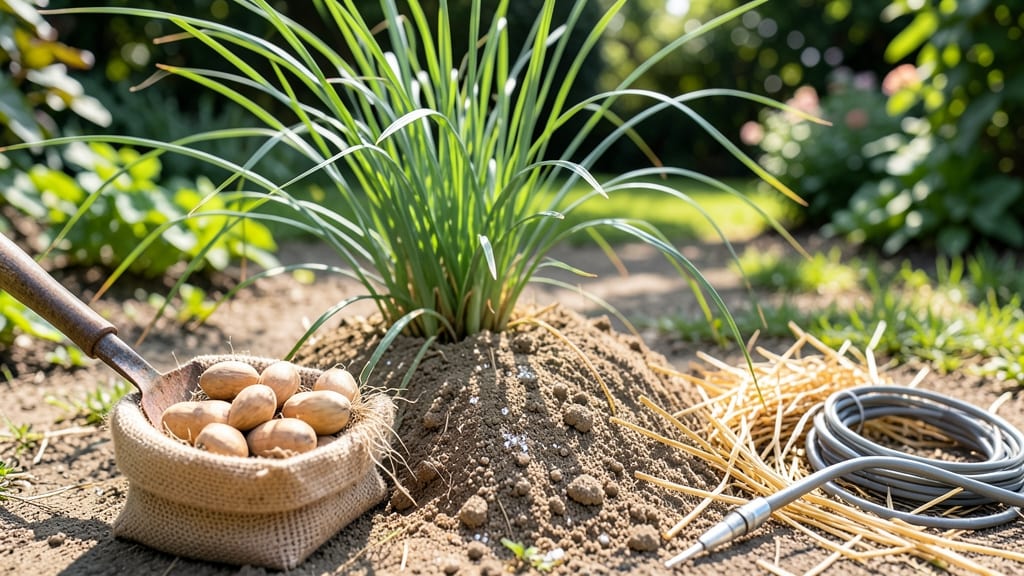
If you've ever dreamed of growing your own chufa 🌾 in Georgia but struggled with when to plant chufa in Georgia, you're not alone. The key to a thriving chufa harvest lies in planting during Georgia's frost-free windows when temperatures are just right.
Chufa thrives in Georgia's warm climate, but planting too early risks frost damage while waiting too long can delay your harvest. With the right timing, you'll enjoy 90-120 days of growth before those delicious tiger nuts are ready to pick.
In this guide, I'll break down the exact months to plant chufa in Georgia's 7b-9a zones, including regional variations that make all the difference. Whether you're in North GA's cooler hills or South GA's warmer coastal areas, these planting windows will set you up for success.
You'll also discover how to prepare your seeds, manage soil conditions, and extend your growing season with simple tricks. Let's get those chufa tubers growing the right way!
Best chufa planting months in Georgia by region: exact dates to avoid frost
Georgia’s diverse climate means chufa planting windows vary by region—North GA’s cooler highlands demand earlier starts, while South GA’s coastal warmth extends the season. I’ll break down the exact months for zero frost risk in each zone, using USDA 7b-9a data and local averages.
For North Georgia (USDA 7b), like Atlanta and the Blue Ridge Mountains, your last frost date typically falls around March 15-20. This means your ideal planting window opens in late February to early March for spring crops.
Fall planting should wrap up by September 15 to ensure tubers mature before frost.
In Central Georgia (USDA 8a), including Macon and Columbus, you’ve got a 2-week buffer—plant March 1-15 for spring or September 15-October 1 for fall. The milder winters here let you push the envelope slightly, but don’t risk it after October 10.
South Georgia (USDA 8b-9a), from Savannah to Albany, enjoys the longest season. You can start as early as February 15 (with frost cloth) or plant confidently through March 31. Fall planting extends to early October, sometimes even October 15 in coastal areas.
| Region | USDA Zone | Spring Planting Window | Fall Planting Window | Last Frost Date |
|---|---|---|---|---|
| North GA | 7b | Late Feb - Early Mar | By Sep 15 | Mar 15-20 |
| Central GA | 8a | Mar 1-15 | Sep 15-Oct 1 | Mar 1-10 |
| South GA | 8b-9a | Feb 15-Mar 31 | By Oct 15 | Feb 20-Mar 5 |
Pro tip: Use frost date calculators like the National Gardening Association’s Frost Clock to pinpoint your exact last frost date. In my Zone 8a garden, I’ve found planting March 10 gives tubers a 120-day growing window before harvest—perfect for Georgia’s heat.
If you’re in North GA and want to experiment, try fall planting in early September with row covers to extend the season. I’ve had success pushing tubers to maturity by early November using frost blankets during cold snaps.
For coastal Georgia growers, don’t overlook August planting—the humid heat actually speeds up tuber development. Just monitor for nutgrass competition and keep soil consistently moist.
Remember: Chufa is a warm-season crop that won’t tolerate frost. Even young seedlings can be killed by temps below 32°F, so always check your 10-day forecast before planting.
🌱🌿
How to prepare chufa seeds for Georgia’s climate: pre-soaking, germination hacks, and soil conditions
Chufa seeds need special prep before planting in Georgia’s humid subtropical climate. Unlike typical vegetables, these hard-shelled nuts require pre-soaking for 24-48 hours to soften the outer layer and kickstart germination. I’ve found that using lukewarm water (not hot) prevents seed damage while speeding up the process.
After soaking, gently rub the seeds between your fingers to remove the fibrous husk. This step improves moisture absorption and helps young roots penetrate the soil more easily.
For best results, I plant pre-soaked seeds in well-draining sandy loam—Georgia’s native soils often need amendment with perlite or coarse sand to prevent waterlogging.
Pre-Soak Seeds
Soak chufa seeds in lukewarm water for 24-48 hours before planting.
Remove Husks
Gently rub seeds to remove fibrous husks and improve germination.
Plant in Sandy Soil
Use well-draining soil with perlite or sand to mimic native growing conditions.
Warmth Boosts Germination
Chufa thrives in 70-80°F soil—use black plastic mulch in early spring to warm the soil faster.
For Georgia gardeners in USDA Zone 7b (common in North GA), I recommend using row covers or cold frames to extend the growing season. These tools help maintain consistent soil temperatures above 65°F, which is critical for germination.
In Zone 8a-9a (Central/South GA), you can plant directly after the last frost date (typically mid-March), but always monitor local forecasts for unexpected cold snaps.
Chufa seeds germinate best in moist but not soggy soil. After planting, maintain even moisture by watering deeply 2-3 times per week during Georgia’s hot, dry summers. Overwatering can lead to root rot, so always check soil moisture 1-2 inches below the surface before watering.
One pro tip I’ve learned is to plant chufa seeds in shallow trenches (about 1 inch deep) rather than dropping them individually. This creates a warmer microclimate and makes it easier to maintain consistent moisture levels.
Space trenches 12-18 inches apart to allow for proper air circulation and tuber development.
Finally, always test your soil’s pH level before planting—chufa prefers a slightly acidic to neutral range (6.0-7.5). Georgia’s native soils often lean toward acidity (pH 5.0-6.0), so you may need to add lime or wood ash to adjust.
A simple $10 soil test kit from your local garden center will save you from guessing.