
Plants
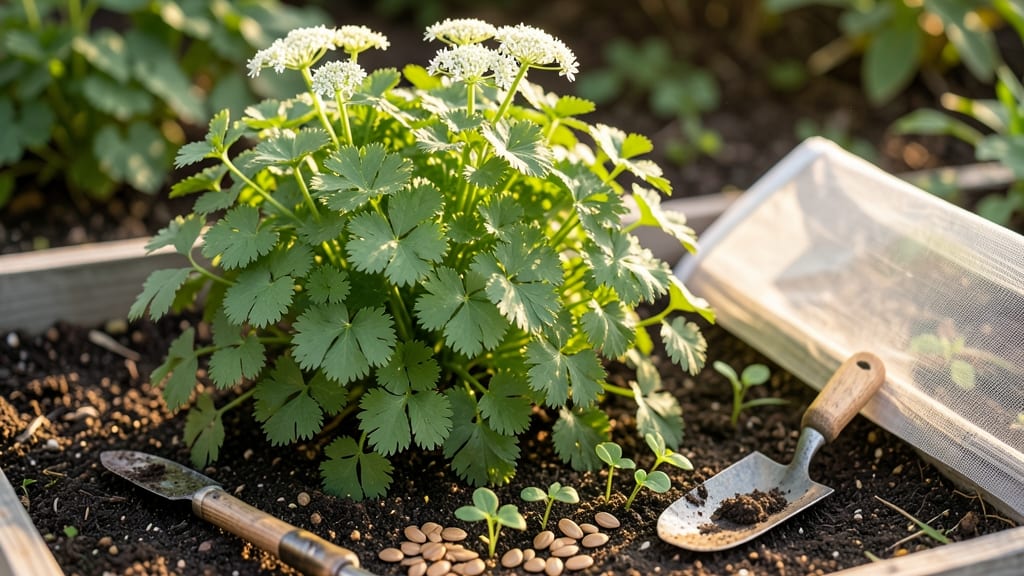
Planting cilantro in Missouri at the wrong time can turn your fresh herb dreams into a bitter disappointment—literally. The key to avoiding bolting (that dreaded flowering stage) lies in perfecting your timing, and getting it wrong means wilted leaves instead of vibrant harvests.
Missouri’s 5b-7a climate zones give you two prime windows: early spring and late summer. But here’s the catch—cilantro hates heat, so planting too late in spring or too early in summer will send it running toward flowers faster than you can say “pesto.”
I’ve tested the exact months that work best in my Missouri garden, and the difference between a thriving cilantro patch and a sad, bolting mess comes down to temperature thresholds. Let me show you the foolproof schedule that keeps your cilantro happy from seed to harvest.
Whether you’re direct sowing or transplanting, we’ll cover everything from frost dates to shade tricks that extend your growing season. No more guessing—just consistent, flavorful cilantro all season long.
Best planting months for cilantro in Missouri’s climate zones
Missouri’s USDA zones 5b-7a create a unique challenge for growing cilantro—its love for cool weather clashes with our hot summers. The key to success? Planting during two narrow windows when temperatures stay between 40°F and 75°F, the cilantro’s ideal range.
Miss this, and you’ll face bolting (premature flowering) faster than you can say “salsa night.”
Most Missouri gardeners achieve their best cilantro harvests by focusing on spring and fall plantings. Spring offers cooler soil temperatures, while fall extends the season before winter frost arrives.
Let’s break down the exact months that work best for your region, whether you’re in northern Missouri (cooler) or southern Missouri (warmer).
Here’s the golden rule: Never plant cilantro when daytime highs exceed 75°F. Once temperatures creep above this, your cilantro will bolt within 2-3 weeks, turning your fresh herb into a bitter disappointment.
Missouri’s last frost date (around April 15) and first frost date (around October 15) bookend your planting windows perfectly.
| Planting Window | Best Months | Temperature Range | Key Notes |
|---|---|---|---|
| Spring Planting | March - April | 40°F - 70°F | Start seeds indoors 4-6 weeks before last frost (early March). Transplant seedlings after soil warms to 50°F+. |
| Fall Planting | August - September | 50°F - 75°F | Sow seeds 8-10 weeks before first frost (late August). Use shade cloth if temps exceed 80°F. |
| Late Summer Succession | Mid-July (with caution) | 60°F - 75°F | Only attempt in northern Missouri. Use drip irrigation and afternoon shade to delay bolting. |
| Winter Greenhouse | November - December | 45°F - 60°F | Grow in unheated greenhouse or winter garden for fresh cilantro during holidays. |
If you’re in southern Missouri (zones 6b-7a), your spring window closes earlier—by mid-April—because soil heats up faster. In contrast, northern Missouri (zones 5b-6a) gardeners can push spring plantings into early May without risking bolting. Always check your local Missouri Climate Center for 7-day forecasts before sowing.
Pro tip: Use a soil thermometer to confirm temperatures. Cilantro roots thrive in soil between 50°F and 70°F. If your soil runs hotter, wait until evening to plant and provide afternoon shade with a row cover or lightweight fabric.
This small adjustment can add 2-3 extra weeks of harvest time.
For container gardening, your timing flexibility increases slightly. Pots heat up faster than garden beds, so move containers to shadier spots by 10 AM during peak summer months.
In Missouri’s urban areas like St. Louis or Kansas City, concrete heat can raise soil temps by 10°F+, so monitor closely.
Remember: Cilantro’s harvest window is short—just 45-60 days from seed to bolting. Plan your plantings so you’re harvesting in May-June (spring) or September-October (fall). Any later, and you’ll be chasing shadows as your plants rush to flower. The goal? Fresh cilantro on your plate when you need it most.
Missouri’s microclimates add another layer of complexity. If you’re near a large body of water (like Lake of the Ozarks) or in a valley, temperatures may stay cooler longer, extending your spring window.
Conversely, urban heat islands can shorten it. Always observe your specific location for at least 3 years to refine your timing.
Best planting months for cilantro in Missouri’s climate zones
Missouri’s USDA zones 5b-7a mean cilantro thrives in cool spring and fall temperatures, but timing is critical to avoid bolting. The ideal planting window spans March through April and August through September, aligning with Missouri’s last and first frost dates (April 15 and October 15, respectively).
Planting outside these windows risks heat stress, causing cilantro to bolt prematurely and develop bitter flavors. In northern Missouri (zones 5b-6a), you can start as early as late February under frost cloth, while southern Missouri (zones 6b-7a) gardeners should wait until mid-March to avoid frost damage.
🌱 Missouri Cilantro Planting Calendar
| Season | Planting Window | Temperature Range (°F) | Key Notes |
|---|---|---|---|
| Spring | March 15 - April 15 | 40-65°F | Start seeds indoors 4-6 weeks before last frost |
| Summer | Avoid planting | N/A | Heat (>75°F) triggers bolting; use shade cloth if attempting |
| Fall | August 1 - September 15 | 50-70°F | Direct sow after soil temps drop below 75°F |
| Winter | Not recommended | N/A | Cilantro is frost-sensitive; protect with row covers if experimenting |
For direct sowing, scatter seeds ¼-inch deep in well-draining soil with partial sun (4-6 hours daily). In containers, use 5-inch pots and plant 2-3 seeds per pot for bushier growth. My go-to method is succession planting every 2 weeks in spring/fall to ensure a continuous harvest.
Missouri’s microclimates matter—urban areas like St. Louis (zone 6b) can be 5°F warmer than rural Columbia (zone 6a). Adjust planting dates by 1-2 weeks if your area experiences earlier last frosts or later heat waves. Always monitor soil temperature with a thermometer—cilantro roots prefer 55-70°F.
After planting, mulch with straw to retain moisture and water deeply 2-3 times weekly. Avoid overhead watering to prevent fungal diseases like powdery mildew, which thrives in Missouri’s humid summers. With the right timing, you’ll enjoy fresh cilantro for 45-55 days before bolting takes over.
Remember: Missouri’s unpredictable weather means flexibility is key. If a heatwave hits early, move pots to shadier spots or cover seedlings with frost cloth to regulate temperatures. The goal is cool roots and warm leaves—just like cilantro craves in its native Mediterranean climate. 🌿