
Trees
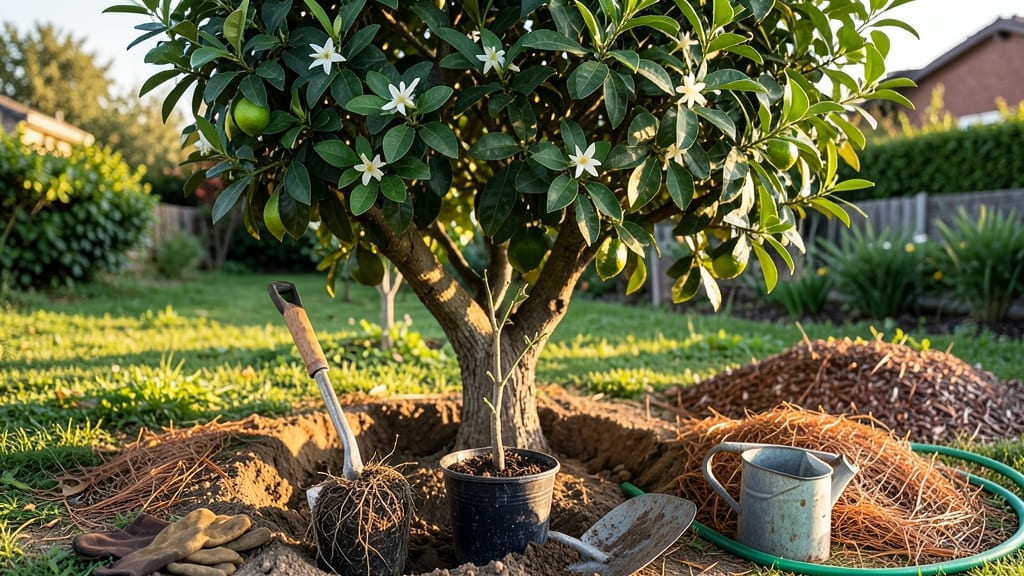
Timing your 🍊 citrus tree planting in Central Florida isn’t just about the calendar—it’s about giving your tree the best shot at thriving in our unique climate.
Get it wrong, and you might end up with stunted growth or even frost damage, even though we’re in the frost-free USDA Zone 9b. But when you plant at the right moment, you unlock faster root establishment, stronger branches, and that sweet, juicy fruit you’ve been dreaming of.
Most gardeners swear by late winter to early spring—February through March—as the golden window for citrus trees in Central Florida. Why? Because the soil is still cool enough to prevent shock, and the tree gets a head start on growth before the brutal summer heat hits.
Plus, planting now means you’ll avoid the stress of summer storms or the occasional late-winter chill that can sneak up on young roots.
But here’s the thing: your microclimate matters. Coastal areas near the Gulf might have slightly different timing than inland spots, and even a 10-degree temperature shift can change the game.
I’ll break down exactly how to read your local conditions and adjust your planting schedule—so you’re not left guessing whether your citrus tree will make it or wither away.
Ready to set your citrus tree up for success? Let’s dive into the best planting windows, soil prep secrets, and post-planting care tips that’ll keep your tree happy year-round. Spoiler: It’s all about working with Florida’s heat—and not against it.
Best planting windows for citrus trees in Central Florida’s heat zones
Central Florida’s USDA zones 9b-10a offer a near-frost-free paradise for citrus trees, but timing still matters. The ideal planting window spans late winter to early spring (February–March), when soil warms and frost risk fades. This gives young roots 6–8 weeks to establish before summer’s heat peaks.
For container-grown trees, you can plant almost year-round, but avoid summer’s extreme heat (June–August)—transplant shock becomes deadly when temps hit 95°F+. Fall planting (September–October) works too, but hurry before hurricane season arrives.
Microclimates play a role: Coastal areas (like Clearwater) enjoy milder winters, while inland zones (Orlando, Ocala) face slightly cooler nights. Adjust your schedule 1–2 weeks earlier if you’re inland to account for potential light freezes (28°F).
| Planting Window | Best For | Soil Temp | Frost Risk |
|---|---|---|---|
| February–March | Bare-root or potted trees | 60–70°F | Low (coastal: none) |
| September–October | Established trees or containers | 75–85°F | None |
| January (coastal only) | Urgent replanting | 55–65°F | Very low |
| April–May | Dwarf varieties | 70–80°F | None |
⚠️ Pro Tip: Test soil temp with a thermometer—citrus roots need 60°F+ to thrive.
If you miss the prime window, don’t panic. Citrus trees adapt well to Central Florida’s climate, but young trees (under 3 years old) planted in summer’s peak heat may need extra shade and daily watering for the first month. Use 50% shade cloth until roots establish.
For container-grown citrus, timing matters less—you control the environment. Still, avoid planting when temps exceed 90°F for more than 3 consecutive days, as roots can overheat in pots. Move containers to partial shade during heatwaves.
Local nurseries like Jackson’s Nursery (Orlando) or Sunshine Citrus (Lakeland) often stock bare-root trees in January–February, perfect for early planting. Call ahead to confirm seasonal availability—some varieties sell out fast!
Remember: Citrus trees grow fastest in Central Florida when planted in February–March. A tree started then can bear fruit in 2–3 years, while summer-planted trees may take 4–5 years to mature. Patience pays off with sweeter, juicier fruit!
Citrus tree varieties and their ideal planting timelines in Florida
Central Florida’s mild winters and warm summers create perfect conditions for citrus trees, but not all varieties thrive equally here. Valencia oranges and Meyer lemons are top picks, but their planting windows differ based on cold sensitivity and growth habits.
Understanding these timelines ensures your tree establishes strong roots before summer’s heat or winter’s rare chills arrive.
For Valencia oranges, aim to plant in late winter (February)—this gives roots time to anchor before Florida’s peak growing season.
Their moderate cold tolerance makes them ideal for Central Florida’s USDA Zone 9b, but young trees still need protection from unexpected frosts. Meyer lemons, however, are more cold-hardy and can handle early spring (March) planting with ease.
🍊 Dwarf varieties like Calamondin oranges are perfect for containers and can be planted year-round, but September-October is ideal to avoid hurricane season’s wind risks. Their smaller size means faster root establishment, so they bounce back quicker from transplant shock.
Citrus Variety Planting Guide for Central Florida
| Variety | Best Planting Window | Cold Tolerance | Harvest Time |
|---|---|---|---|
| Valencia Orange | February–March | Moderate (28°F) | Spring–Summer |
| Meyer Lemon | March–April | Hardy (25°F) | Fall–Winter |
| Calamondin Orange | September–October | Tender (32°F) | Year-round |
| Satsuma Mandarin | January–February | Cold-hardy (18°F) | Winter |
*Cold tolerance measured in lowest safe temperature (Fahrenheit).
If you’re planting Satsuma mandarins, the earliest window (January–February) is critical—they’re the most cold-resistant citrus for Central Florida and produce fruit faster than other varieties. Their thin skin makes them perfect for snacking, but they need well-draining soil to prevent root rot during Florida’s humid summers.
For container-grown citrus, like Key limes, September planting lets you move pots indoors before winter. These trees thrive in small spaces and produce highly aromatic fruit, but they’re sensitive to drought stress, so consistent watering is a must during Central Florida’s dry spells.
🌱 Pro tip: Always check the root flare (where roots meet trunk) when planting—it should sit just above soil level. Burying it too deep can suffocate the tree, while exposing it risks sunburn. Use well-composted soil mixed with sand for optimal drainage, especially in Central Florida’s clay-heavy soils.