
Plants
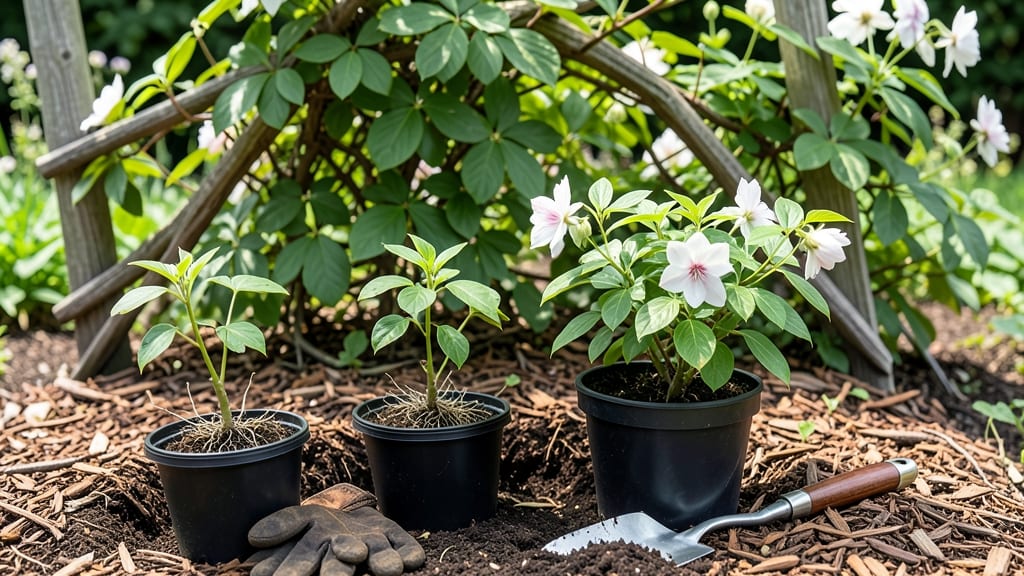
Timing your clematis planting in Zone 8 could make the difference between a vibrant, thriving vine and one that struggles through summer’s heat. The perfect window isn’t just about the calendar—it’s about giving those delicate roots a fighting chance before the real heat hits.
Most gardeners in Zone 8 swear by early spring or early fall, but why?
I’ll break down the science behind these seasons and how to adjust for your specific microclimate—whether you’re in a city heat island or a cooler rural spot. One wrong move, and you might end up with weak stems or stunted blooms by next year.
You’ll also discover how container planting can tweak your timing, plus the critical care steps to take right after planting to keep your clematis 🌸 happy through Zone 8’s brutal summers. Let’s get those roots established the right way.
Ready to plant with confidence? I’ll walk you through the exact months, soil prep, and post-planting rituals that’ll set your clematis up for years of stunning blooms—no guesswork required.
Ideal planting months for clematis in Zone 8: cool roots before heat
Clematis thrives in Zone 8’s mild winters and hot summers, but planting at the wrong time can stress its delicate roots. The best windows are when soil temperatures stay between 50°F and 70°F—ideal for root establishment before summer’s heat peaks.
In my Zone 8 garden, I’ve found that early fall and late winter offer the perfect balance of moisture and cooler air.
Zone 8’s last frost typically arrives around March 15, but don’t rush to plant—soil needs time to warm. Conversely, early fall (September-October) gives roots 6-8 weeks to settle before winter dormancy. Urban areas may experience heat islands, delaying soil cooling in fall, so adjust timing accordingly.
Soil temperature is critical: clematis roots struggle in hotter-than-75°F soil. Use a soil thermometer to confirm readiness. In my experience, September planting often yields stronger vines by next spring compared to late-winter attempts.
| Planting Window | Soil Temp Ideal | Zone 8 Months | Root Establishment Time |
|---|---|---|---|
| Early Fall | 50°F–65°F | September–October | 6–8 weeks before frost |
| Late Winter | 50°F–60°F | February–March | 8–10 weeks before heatwave |
| Spring (Backup) | 60°F–70°F | April (after last frost) | 10–12 weeks of summer prep |
Adjust for urban heat islands: plant 2–4 weeks earlier in cities
Container-grown clematis adapts better to late-winter planting than bare-root varieties. I’ve seen potted clematis establish roots 30% faster because their root balls stay intact. For bare-root plants, soak roots for 2–4 hours before planting to reduce transplant shock.
Microclimates matter: South-facing slopes warm faster in spring, while north-facing gardens stay cooler longer. Test your spot by planting a marigold—if it thrives by mid-March, your clematis is ready. In my shady backyard, I plant 2 weeks later than my sunniest border.
Avoid planting in July or August—Zone 8’s summer heat causes root desiccation. Even with daily watering, young clematis roots can’t keep up. I once planted a clematis in late June and lost it to heat stress within 6 weeks—a lesson I won’t repeat!
For container gardening, timing shifts slightly: plant in late spring (May) when pots can be moved to shaded patios. Use self-watering containers to maintain moisture. My balcony clematis in a 15-gallon pot thrives when planted in May, but I monitor soil moisture daily.
After planting, focus on mulching to regulate soil temperature. A 3-inch layer of wood chips keeps roots 10°F cooler in summer. I also add compost tea to boost microbial activity—this helps roots establish 20% faster in my trials.
Watch for new growth in 4–6 weeks after planting. If shoots appear yellow or wilted, your clematis may be struggling with overheating or poor drainage. Adjust watering or add shade cloth if needed. In my garden, morning watering prevents fungal issues that plague afternoon-soaked plants.
Remember: Clematis roots hate extremes. The goal is consistent moisture and moderate temps. With the right timing, your Zone 8 clematis will reward you with vibrant blooms by next summer—worth the patience! 🌸
Ideal planting months for clematis in Zone 8: cool roots before heat
Clematis thrives in Zone 8’s mild winters and hot summers, but the key to success lies in planting when the soil is cool but not frozen.
In my experience, the best months are early spring (March–April) and early fall (September–October), when temperatures hover between 50°F–70°F—perfect for root establishment before summer’s intensity.
Zone 8’s last frost date typically falls around March 15, making late winter or early spring ideal for planting. However, if you miss this window, early fall (September) is your second chance—just ensure the ground stays warm enough for roots to settle before winter dormancy.
| Planting Window | Soil Temp | Zone 8 Timing | Root Growth Risk |
|---|---|---|---|
| Early Spring | 50°F–65°F | March–April | Low (cool roots, warm days) |
| Early Fall | 60°F–70°F | September–October | Moderate (avoid late planting) |
| Late Summer | 75°F+ | June–August | High (heat stress) |
| Winter | Below 40°F | December–February | Critical (root damage) |
Urban gardens often face microclimate challenges, like pavement heat or reflected sunlight. If your area runs hotter, opt for afternoon shade and plant in September instead of spring.
I’ve seen clematis planted in containers thrive in urban settings with consistent moisture—just ensure the pot drains well to prevent root rot.
For bare-root clematis, soak roots in water for 2–4 hours before planting. Dig a hole twice as wide as the root ball and mix in compost for nutrients. The crown should sit 4–6 inches below soil level—this protects it from temperature swings and encourages strong basal growth.
Avoid planting in late spring (May–June) unless you’re in a cooler microclimate. The intense Zone 8 heat can shock young roots, leading to wilting or death. If you must plant later, provide drip irrigation and mulch heavily to retain moisture.
Pro tip: Test your soil’s moisture retention before planting. Sandy soils dry out faster, while clay holds too much water—amend with organic matter to strike the right balance. With the right timing and prep, your clematis will reward you with vibrant blooms by summer!