Plants
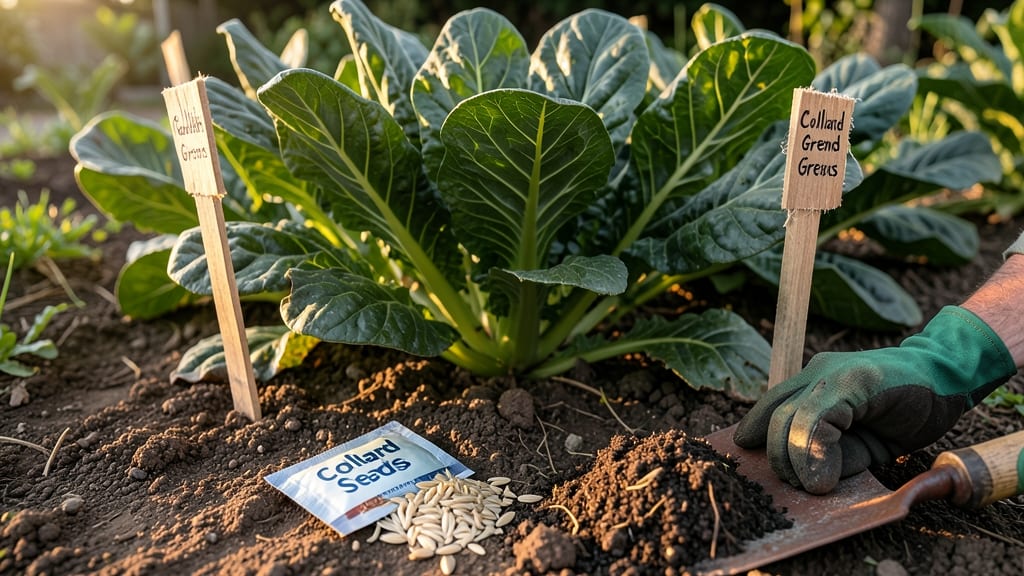
If you're wondering when to plant collard seeds in NC, timing is everything—especially when North Carolina's heat zones range from mountainous chill to coastal humidity. Miss the window, and your seedlings might bolt in the heat or freeze before they mature.
Collards 🌱 thrive in cool weather but hate scorching summers, making early spring and late summer/fall the sweet spots. Whether you're in Raleigh's Zone 7b or Wilmington's Zone 8a, knowing your local frost dates and heat tolerance is key to avoiding common pitfalls.
I’ve grown collards across NC’s diverse climates, and I’ll show you exactly when to start seeds indoors, when to direct-sow, and how to adjust for your county’s unique conditions. No more guesswork—just a foolproof plan for a bountiful harvest.
Ready to dive in? Let’s break down the best planting windows, soil prep hacks, and heat zone-specific strategies to keep your collards happy from seed to harvest.
North Carolina heat zones explained: best planting windows for collard seeds
North Carolina's diverse climate—from the cool mountain valleys of Zone 6 to the humid coastal plains of Zone 8—creates unique challenges for collard growers.
Unlike heat-loving crops, collards thrive in moderate temperatures (50°F–75°F) and actually bolting risk increases when summer heat exceeds 85°F. This means your planting window isn't just about months, but microclimates shaped by elevation and proximity to the coast.
The key to success is planting when soil temperatures stay between 55°F–75°F—warm enough for germination but cool enough to prevent bolting. In NC, this typically means two primary windows: early spring (March–April) and late summer/fall (August–September).
However, coastal areas like Wilmington can handle direct sowing in October, while mountain regions like Asheville may need to wait until May for soil warmth.
Here's how NC's heat zones break down for collard planting:
| Heat Zone | Avg. Last Frost | Spring Planting Window | Fall Planting Window | Key Consideration |
|---|---|---|---|---|
| Zone 6 (Mountains: Boone, Banner Elk) | April 15–May 1 | April 15–May 15 | August 1–September 15 | Soil warms slowly; use black plastic mulch |
| Zone 7 (Piedmont: Raleigh, Greensboro) | March 20–April 5 | March 20–April 30 | July 15–September 1 | Balanced climate; ideal for two harvests |
| Zone 8 (Coastal: Wilmington, Fayetteville) | February 15–March 15 | February 15–March 31 | August 1–October 15 | Humidity increases fungal risk; space plants wider |
For Zone 6 growers in the mountains, I recommend starting seeds indoors by March 15 to transplant after the last frost. The slower soil warming means you'll need to protect seedlings with row covers if late frosts hit.
In contrast, Zone 8 coastal gardens can direct-sow as early as February—just be prepared to provide shade cloth during peak summer heat to prevent bolting.
One common mistake is planting collards too early in Zone 7–8. While they tolerate light frosts (down to 20°F), young plants grow slowly in cool soil. I've seen gardeners in Raleigh rush to plant in February, only to watch their seedlings rot in soggy, cold soil.
Wait until soil temperatures reach at least 55°F—use a soil thermometer to check!
Fall planting offers a second harvest window, but timing is critical. In Zone 6, aim for August 1–September 15 to ensure mature plants before the first frost (typically November 15–December 1).
Coastal Zone 8 gardens can push this to October 15, but monitor hurricane forecasts—flooding can stress collards.
Pro tip: Use collard varieties with bolting resistance like 'Georgia Southern' or 'Blue Max' for NC's heat zones. These tolerate higher temperatures (up to 85°F) better than heirloom types. Pair them with drip irrigation to maintain even moisture—critical during NC's humid summers when evaporation rates spike.
Remember, NC's microclimates can shift planting windows by weeks. For example, a north-facing slope in Asheville may need a later start than a south-facing garden in Charlotte. Always scout your specific site for 2–3 years to refine your timing.
🌱
County-specific planting calendar: when to start seeds indoors vs. direct sowing
North Carolina's diverse climate means your collard seeds planting timeline should vary by county. Whether you're in the cool mountain regions or humid coastal plains, knowing the right window for indoor seed starting versus direct sowing is key to success.
Let's break down the best planting dates for 10 key NC counties to maximize your harvest.
For Zone 7b areas like Asheville and Boone, start indoor seeds 6-8 weeks before your last frost date (typically mid-March). Transplant seedlings outdoors by late April to early May, giving them time to establish before summer heat arrives.
In Zone 8a regions like Raleigh and Charlotte, you can push these dates slightly later, aiming for early April seed starting and May transplants.
🌱 County-Specific Planting Timeline
| County | Zone | Indoor Start | Outdoor Transplant | Direct Sow |
|---|---|---|---|---|
| Asheville | 7b | March 15-30 | April 25-May 10 | April 15-May 1 |
| Boone | 6a | March 1-15 | April 15-25 | April 1-15 |
| Raleigh | 7b | March 20-April 5 | May 1-15 | April 20-May 5 |
| Charlotte | 8a | March 25-April 10 | May 10-25 | May 1-15 |
| Wilmington | 8b | April 1-15 | May 15-30 | May 10-25 |
| Greenville | 8a | March 25-April 10 | May 10-25 | April 25-May 10 |
| Durham | 7b | March 20-April 5 | May 1-15 | April 20-May 5 |
| Fayetteville | 8a | March 25-April 10 | May 10-25 | May 1-15 |
| Winston-Salem | 7b | March 20-April 5 | May 1-15 | April 20-May 5 |
| Jacksonville | 8b | April 1-15 | May 15-30 | May 10-25 |
*All dates based on average last frost dates and local climate patterns. Adjust for microclimates!
Don't forget about late summer/fall plantings for a second harvest! In Zone 7b and cooler, aim to direct sow collard seeds by mid-August for a fall crop. Coastal areas in Zone 8b can extend this window until early September, taking advantage of milder temperatures before winter sets in.
This second planting often yields sweeter greens and avoids the summer heat stress that can affect spring plantings.
For direct sowing, always wait until the soil temperature reaches at least 50°F and stays consistent. Use a soil thermometer to check—collard seeds won't germinate well in cold soil.
In higher elevation areas, this might mean waiting until mid-May, while coastal regions can start as early as late April. Always plant seeds 1/4 inch deep and 1 inch apart for optimal spacing.
Pro tip: Use black plastic mulch in cooler zones to warm the soil faster and extend your planting window by 1-2 weeks. This is especially helpful in Zone 6a areas like the western mountains, where spring can be unpredictable. Just
Timing your collard harvest is just as critical as planting. In Zone 7b, you can expect to harvest 60-75 days after transplanting, while Zone 8b varieties may take slightly longer due to warmer temperatures. Plan your planting schedule so you're harvesting before hard frosts (typically mid-November in the mountains and December along the coast), but after your plants have matured enough to develop sweet, tender leaves.